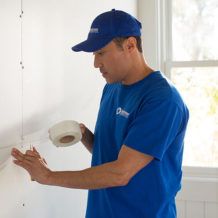
We are excited to announce that a long time Master Craftsman of our business is now the proud new owner; please join us in congratulating Earl Swader as the new owner of Handyman Connection of Blue Ash. Earl has previous business ownership already under his belt and is looking forward to continuing to serve the Blue Ash community as the proud owner.

Home Remodeling / January 21, 2026

Installing a new cooling system is one of the best upgrades you can make for comfort, but the installation day can turn stressful fast if your home is not ready. Crews need clear access, safe work areas, and the right conditions to complete the job without delays, damage, or last-minute changes.
A little preparation on your side makes the entire installation smoother. It helps protect floors and furniture, reduces dust and disruption, and allows technicians to focus on correct placement, clean routing, and ensuring the system runs as it should.
Most homeowners do not need technical expertise to prepare for a new cooling system. Your job is to reduce uncertainty, prevent surprises, and make installation day as straightforward as possible.
Start by confirming what is included in the installation. Ask whether the thermostat is being replaced, whether new wiring is required, and whether any ductwork changes are part of the job or handled separately.
Next, clarify placement details. Confirm where the indoor unit and outdoor unit will go, and ask what clearance is required so airflow and service access are not restricted later.
Then confirm the practical logistics. Ask what areas of the home the crew needs to access, what path they will use to move equipment, and whether they will need the attic hatch, crawlspace entry, or gate unlocked.
If you are comparing providers, reliable AC installation services should be able to explain these details clearly, outline what your home needs ahead of time, and set expectations without pushing unnecessary add-ons.
A smooth installation starts with access. Technicians may need to carry bulky equipment through hallways, up stairs, or into tight mechanical spaces, so remove anything that could slow them down or cause damage. Clear the path to the indoor unit location, thermostat area, and any attic or crawlspace entry points.
Move furniture, rugs, and fragile decor away from the route. Create enough space for doors to open fully, and keep pets secured so technicians can work safely without interruptions. If the indoor unit is in a closet or utility room, empty the area around it so panels can be removed without obstacles.
Outside, unlock gates and clear the area around the condenser location. Move planters, patio furniture, or storage items so the crew has room to set equipment, run lines, and work without stepping over hazards.
Cooling system installation involves carrying equipment, drilling, and cutting small access points, so protect your home like you would for any major service work. Lay down runners or drop cloths in hallways and near entryways, especially on light carpet or hardwood where scuffs show easily.
Remove wall art, mirrors, and fragile decor near tight corners, staircases, and door frames. These areas take the most bumps when large components are moved through the house. If the system is being installed in a closet or utility room, clear shelves nearby so items do not get knocked over.
Create a designated “safe zone” for valuables, breakables, and electronics. A simple, cleared table or spare room keeps important items away from dust, movement, and accidental contact during installation.
A new cooling system needs stable power, and electrical access is not something you want to solve mid-install. Before installation day, clear the area around your breaker panel so technicians can reach it quickly if they need to confirm circuits, shut off power, or test connections.
If you know of any ongoing issues, mention them early. Frequent breaker trips, flickering lights, or a buzzing panel can signal problems that may affect installation. The installer may recommend repairs or upgrades, but you can at least prevent surprises by communicating what you have noticed.
Clear outdoor areas near the disconnect and condenser location. Technicians need room to work safely and keep wiring clean and protected, and clutter outside can slow the job or force awkward routing.
A new cooling system cannot perform well if airflow is restricted. Before installation day, replace the air filter so the system starts with clean airflow, not built-up dust and strain.
Walk through your home and check vents and registers. Open any closed vents and remove furniture, baskets, or curtains that block airflow into the room.
Pay close attention to return vents, since they pull air back into the system. A blocked return can make the entire house cool unevenly, even if the equipment is working correctly.
If you already know which rooms run hotter or get weak airflow, write them down. Sharing these patterns helps the installer diagnose airflow issues faster and avoid leaving comfort problems behind.
Installation day is not quiet. Between drilling, cutting, vacuuming, and moving equipment, the work will interrupt normal routines, even in a well-organized home. Plan so the noise does not derail meetings, naps, or other time-sensitive parts of your day.
Set boundaries for kids and pets. Keep them away from work zones, and secure pets in a closed room so technicians can move in and out without safety risks. If you have a pet that reacts to loud sounds, choose a quieter space in the home ahead of time.
Think about staging and parking. Leave driveway space open if possible, and identify a spot where the crew can place tools and boxes without blocking walkways. Small planning steps reduce stress and help the work move faster.
Before technicians pack up, do a quick walkthrough while they are still on-site. This is the best time to confirm the system is running correctly, understand the thermostat, and get clear answers while everything is fresh.
A new cooling system can only deliver its best performance when your home is ready for it. Clear access, protected spaces, and a few smart checks remove friction from installation day and prevent avoidable mistakes. Treat preparation as part of the upgrade itself. When the install goes in clean and tested, comfort follows fast.

11115 Kenwood Rd.
Blue Ash, OH 45242

© Handyman Connection 2026 | Privacy Policy

 (513) 771-3950