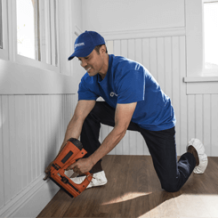
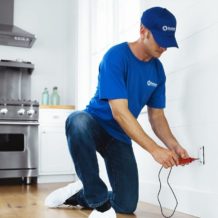
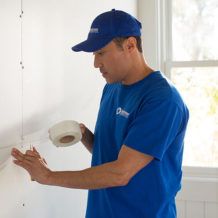
We are excited to announce that a long time Master Craftsman of our business is now the proud new owner; please join us in congratulating Earl Swader as the new owner of Handyman Connection of Blue Ash. Earl has previous business ownership already under his belt and is looking forward to continuing to serve the Blue Ash community as the proud owner.

Remodeling / August 25, 2025

You finally made it through the renovation madness. Paint splatters on the floors, constant drilling, and workers trekking through every room. The place looks brand new, but there’s one thing that didn’t get the memo to leave—dust.
And not just any dust. This kind clings to walls, floats into air ducts, and hides in places you didn’t even know existed. If you skip the cleanup, expect stuffy air, gritty surfaces, and that not-so-fresh feeling to stick around much longer than welcome.
Before you settle into your spruced-up space, there’s one last step. A solid post-renovation cleaning.
Don’t worry, it’s not all mop and misery. Up next are 7 smart tips to help you kick out the dust and enjoy a home that feels just as clean as it looks.
Before reaching for the vacuum, start by cracking open those windows. Let fresh air sweep through the house while you begin your cleaning. Add a few fans pointed toward open doors or windows to push the dusty air outside instead of letting it swirl around and settle again.
This simple step does more than freshen things up. It helps remove fine particles from the air that can stick to surfaces and get pulled into vents.
Renovation dust has a habit of traveling, and if it settles into tight corners or electronics, it can hang around for weeks. Experts at Atlanta Maids suggest combining airflow with targeted dusting in often-missed spots like ceiling fan blades, window sills, and light fixtures to keep dust from resettling after cleanup. Ignoring these areas early on often leads to more work later.
Watch out for other small dust magnets too:
Letting the air move freely while clearing these tricky spots sets the tone for the rest of your post-renovation cleaning. It’s a simple way to cut down the dust before it has a chance to settle in.
Once fresh air is flowing, it’s time to tackle the dust that’s already settled. Regular vacuums can stir up more mess than they clean, so now’s the moment to bring out a vacuum with a HEPA filter. It captures the fine particles that others leave behind, helping reduce allergens and dust in the air.
Use this quick checklist to guide your HEPA vacuum routine:
Adding this step to your post-renovation cleaning checklist ensures your home isn’t just visibly clean but actually healthier to breathe in.
Walls and ceilings are silent dust collectors during any renovation. Even if they look untouched, they often hold a fine layer of particles that’s easy to miss until you run a cloth over them and see the difference.
Rather than brushing dry dust into the air, use a damp microfiber cloth or flat mop to gently lift it off. This method is safe for painted walls, wallpaper, and even textured ceilings. The goal is to trap the dust, not just move it around.
A quick list of what you’ll need:
Work from top to bottom in sections, wiping slowly and steadily. Cleaning these vertical surfaces may seem like a chore, but it makes a big impact on achieving a truly dust-free home.
Ever walked into a freshly cleaned room only to catch a faint dusty smell? That’s often a sign your vents are spreading leftover renovation debris into the air. While floors and surfaces get all the attention, your HVAC system quietly holds onto dust unless you deal with it head-on.
How to clear the air properly:
This step often gets skipped, but it’s one of the most important for your lungs and your home.
Post-renovation dust settles everywhere, including spots you touch dozens of times a day without realizing it.
Grab a soft cloth, choose a non-abrasive disinfectant, and start wiping down surfaces that people come into contact with regularly. This step isn’t just about appearances. It helps remove fine particles and lingering bacteria that build up during and after construction.
Try this “clean sweep” checklist:
Use products that are safe for new materials, especially if you’ve upgraded with delicate finishes. A solid surface sanitization routine helps lock in the results of your hard work and keeps your freshly cleaned space feeling truly complete.
You step outside to admire the renovation from the curb. The paint looks crisp, the floors shine through the windows, and then your eye catches a pile of crumpled drop cloths near the garage. A broken tile leans against the fence. A half-used can of primer sits forgotten in the grass.
These leftover scraps don’t just clutter your space. Some of them pose safety hazards or violate disposal laws if tossed with regular trash.
Take a more mindful approach:
By the time you reach the floors, it may feel like you’ve already cleaned everything twice. But this step makes all the difference between “almost done” and truly finished. Renovation dust loves to settle low, especially in grout lines, under furniture, and along baseboards.
Give your floors the reset they deserve with this final clean:
Finishing with a deep floor clean brings balance to your space. It’s the quiet final step that makes the entire home feel polished, healthy, and truly ready to enjoy.
Renovation glow hits differently when your shoes don’t crunch on dust and your furniture feels as fresh as the new paint. Cleaning up after construction might not be exciting, but skipping it is like framing a masterpiece with fingerprints on the glass.
This checklist does more than tidy up. It gets into the corners, vents, and quiet spots where leftover dust loves to settle. With the right tools, a little patience, and maybe a good playlist, you can turn that chaotic construction zone into a space that feels like home.
And really, drywall dust has no business hanging out on your brand-new sofa.

11115 Kenwood Rd.
Blue Ash, OH 45242

© Handyman Connection 2026 | Privacy Policy

 (513) 771-3950