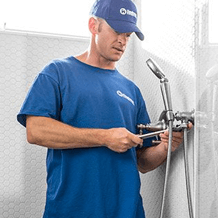
We are excited to announce that a long time Master Craftsman of our business is now the proud new owner; please join us in congratulating Earl Swader as the new owner of Handyman Connection of Blue Ash. Earl has previous business ownership already under his belt and is looking forward to continuing to serve the Blue Ash community as the proud owner.

Maintenance / May 21, 2026

Used refrigerated containers are practical storage units for businesses that need reliable temperature control without building a permanent cold room. They are often used for food, beverages, flowers, pharmaceuticals, agriculture, and seasonal inventory.
A refrigerated container, also called a reefer container, is different from a standard shipping container because it has an insulated body and a mechanical cooling system. For companies that need dependable cold storage at a lower entry cost, affordable used refrigerated containers can be a smart option when they are inspected and maintained properly. This means maintenance should cover both the container structure and the refrigeration unit. Regular care helps protect stored goods, reduce energy waste, prevent unexpected shutdowns, and extend the working life of the unit.
Before using a refrigerated container for long-term storage, complete a full visual and operational inspection. This helps identify problems before goods are placed inside.
Check the following areas:
If the container was previously used for food, chemicals, flowers, or industrial products, inspect it for odor, stains, and residue. These issues may require deep cleaning before use.
A refrigerated container should sit on a firm, level surface. Uneven placement can twist the frame, affect door alignment, and make it harder to maintain an airtight seal.
Good placement helps prevent:
Concrete pads, compacted gravel, and paved surfaces are usually better than soft soil. The area should also allow water to drain away from the container. If water collects around the base, corrosion can start on the lower rails and underside.
Clean interiors support better temperature control and reduce the risk of contamination. This is especially important if the container stores food, beverages, flowers, pharmaceuticals, or agricultural products.
A proper cleaning routine should include:
Avoid aggressive chemicals that can damage interior surfaces or leave strong smells. Do not pressure-wash the refrigeration unit, control panel, or electrical components. Water can damage sensors, wiring, and electronic controls.
Used refrigerated containers are exposed to rain, sun, moisture, and temperature changes. Over time, chipped paint and damaged seams can turn into rust problems.
Pay attention to these areas:
If rust appears, remove loose corrosion with a wire brush, clean the area, apply primer, and repaint it with suitable exterior paint. Small rust spots are much easier to repair than deeper corrosion that reaches the structure or insulation.
The roof should be checked regularly because standing water can sit unnoticed and damage the container over time.
Door seals are one of the most important parts of a refrigerated container. If warm air enters through gaps, the refrigeration system must work harder to keep the set temperature.
Inspect door gaskets for:
Clean the rubber gaskets regularly and remove dirt from the sealing surface. Hinges, cam bars, and locking handles should open and close smoothly. If hardware is stiff, lubricate moving parts with a suitable lubricant.
A simple way to check the seal is to close the doors and look for visible light around the edges. If light enters, air can enter too. The gasket may need adjustment or replacement.
The cooling unit is the main system that separates a reefer container from a standard container. It should be checked often, especially if the container is used daily.
Monitor these parts:
Warning signs include unusual noise, vibration, slow cooling, short cycling, error codes, ice buildup, or unstable temperature readings. These issues should not be ignored because they may lead to a full system shutdown.
Basic cleaning and visual checks can be done by trained staff, but refrigerant work, compressor repairs, and electrical diagnostics should be handled by qualified technicians.
Refrigerated containers rely on airflow to distribute cold air evenly. Poor loading can block air movement and create warm spots.
Follow these airflow rules:
Overloading the container can reduce cooling performance. Even if the refrigeration unit is working, blocked airflow may prevent stable temperatures throughout the space.
Moisture is common in refrigerated environments, but excessive condensation or ice buildup is a warning sign. It may point to poor sealing, blocked airflow, dirty coils, or a defrost problem.
Check for:
Most refrigerated containers have automatic defrost systems. However, the system should still be checked to make sure it works properly. If ice builds up again after cleaning, the cause should be inspected by a technician.
Temperature accuracy is critical for refrigerated storage. A container may appear to work normally, but an inaccurate sensor can create hidden risk.
Regular checks should include:
For sensitive products, temperature data should be recorded. This is useful for food safety, pharmaceutical storage, and internal quality control.
Refrigerated containers need a stable and correct power supply. Weak connections or damaged cables can cause shutdowns or unsafe operating conditions.
Inspect the electrical setup for:
Many reefer containers require commercial-grade power. If the setup is not correct, the unit may fail to start, run inefficiently, or damage components. Electrical checks should be done by a qualified electrician when needed.
Even with regular in-house checks, professional service is necessary. A technician can inspect parts that are difficult or unsafe to maintain without proper tools.
A preventive service visit may include:
For active commercial use, annual service is usually recommended. If the container runs continuously or stores high-value products, more frequent service may be necessary.
A maintenance log helps track container condition over time. It also makes it easier to identify recurring issues.
Record:
This information can help prevent downtime and support better maintenance planning. It is also useful if the container is used in industries with strict storage requirements.
Used refrigerated containers can provide reliable cold storage, but they require more care than standard storage units. Regular inspections, cleaning, rust prevention, door seal checks, airflow management, temperature testing, electrical safety, and professional service all help extend the container’s working life. Before choosing a unit, businesses should also think about future maintenance needs and operating conditions for used refrigerated containers https://midstatecontainers.com/collections/refrigerated-used, because a well-maintained reefer is more efficient, safer to operate, and better prepared to protect temperature-sensitive goods over time.

11115 Kenwood Rd.
Blue Ash, OH 45242

© Handyman Connection 2026 | Privacy Policy

 (513) 771-3950