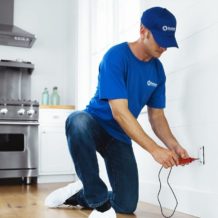
We are excited to announce that a long time Master Craftsman of our business is now the proud new owner; please join us in congratulating Earl Swader as the new owner of Handyman Connection of Blue Ash. Earl has previous business ownership already under his belt and is looking forward to continuing to serve the Blue Ash community as the proud owner.

Home Maintenance / November 17, 2025

You vacuum. You wipe down counters. The place looks spotless. But something still feels off. Maybe your head aches. Maybe you’re tired in the middle of the day. You chalk it up to stress or weather, but the culprit might be right under your nose—circulating in the air you breathe.
Indoor air can fool you. It hides problems behind fresh paint, new furniture, or a running fan. Most people focus on what they can see. But what lingers in the air can have a stronger effect than what settles on the surface. That’s where this conversation begins.
Indoor pollutants rarely announce themselves. They come from new furniture, fresh paint, pressed wood cabinets, scented sprays, and everyday cleaners. Many of these items release volatile organic compounds into the air. These fumes can irritate the lungs, trigger headaches, or make allergies flare. The scent fades quickly, so the risk feels low, yet the emissions continue long after the product looks settled or dry. Modern homes tend to seal air inside, which gives these pollutants a place to build up quietly.
Possible ways to improve air quality and reduce exposure:
Air moves, but so do the particles within it. When filters clog, they stop trapping the dust, dander, and debris they were meant to catch. Instead, these particles ride the airflow and re-enter the space. Every breath brings in what should have been removed. Dirty filters slow airflow and push HVAC systems to work harder, using more energy while cleaning less.
Routine HVAC maintenance helps prevent that buildup. But many homeowners delay service until comfort drops or repairs become urgent. Those who schedule regular inspections through residential and commercial services often avoid larger issues. These checks catch dirty filters, blocked vents, and worn components before they affect air quality. A clean system filters more efficiently, circulates better, and lasts longer.
Basic steps to improve filtration:
Many rooms never get enough fresh air. Vents are shut. Furniture blocks returns. Windows never open. Homes built for efficiency often trap air to preserve heating or cooling. Without steady airflow, stale zones form. Pollutants gather in corners and hallways. Some rooms feel stuffy while others stay untouched. Over time, this imbalance raises humidity, odor, and dust.
You can’t fix what you don’t examine. Most airflow issues come from overlooked layout problems or minor obstructions. A vent behind a bookcase does little. A closed door breaks circulation. Even clean filters can’t solve blocked paths.
Try these fixes:
Too much moisture invites mold. Too little dries out the air and stirs up dust. Most homes swing between both extremes without notice. Bathrooms, laundry rooms, and basements often hold damp air. In winter, heating systems strip out moisture until the air feels sharp and brittle. Breathing becomes uncomfortable. Eyes sting. Allergies get worse.
Humidity shapes how pollutants move. Mold spores grow fast in moist corners. Dust mites thrive where humidity stays high. Dry air turns skin flaky and lets particles stay airborne longer. These effects build quietly, especially in homes with no humidity controls.
Simple ways to manage indoor humidity:
Many indoor air problems start with daily routines. Small actions add particles, chemicals, or moisture into the air without much thought. You may notice mild irritation or stale air, but rarely link it to a habit. Over time, these patterns affect how well your home supports clean, breathable air. The fix often lies in small changes that reduce buildup before it spreads.
Indoor air quality rarely draws attention until symptoms appear. But what homeowners often overlook is how deeply it shapes comfort, health, and energy. The air in your home reflects how you live, clean, and maintain the space. Every filter replaced, habit adjusted, or corner inspected brings cleaner air within reach. Breathe better by paying attention to what stays hidden. The smallest sources often have the biggest impact. That’s where real change begins.

11115 Kenwood Rd.
Blue Ash, OH 45242

© Handyman Connection 2026 | Privacy Policy

 (513) 771-3950