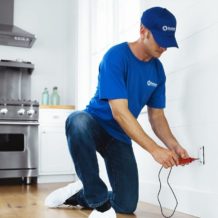
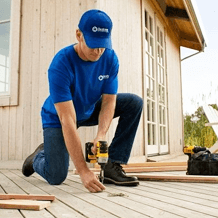
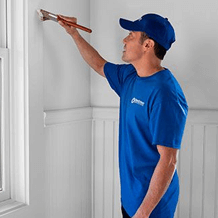
We are excited to announce that a long time Master Craftsman of our business is now the proud new owner; please join us in congratulating Earl Swader as the new owner of Handyman Connection of Blue Ash. Earl has previous business ownership already under his belt and is looking forward to continuing to serve the Blue Ash community as the proud owner.

Home Maintenance / March 18, 2026

Summer heat can expose every weakness in an air conditioning system. One day it cools normally, and the next it struggles to keep the house comfortable.
At that point, the big question appears. Is the system worth repairing, or is it time for a full replacement.
Before making a costly decision, getting a professional evaluation is the smartest first step. A trusted AC repair service in Tucson can inspect the system, identify the real cause of the issue, and recommend the most practical solution.
Some problems turn out to be small fixes that restore cooling quickly. Others reveal deeper issues that make replacement the smarter investment.
Keep reading to learn the warning signs that show when an air conditioner simply needs repair and when replacing the system will save money, improve efficiency, and prevent ongoing breakdowns.
Before deciding between repair and replacement, it helps to understand how long air conditioning systems are designed to operate. Most central air conditioning systems last between twelve and fifteen years when properly maintained. Some units may continue running longer, but their efficiency often declines as they age.
Climate also plays a major role in system lifespan. In hot regions where air conditioners run for long periods during the year, components experience more wear and tear. Extended usage places additional strain on compressors, motors, and electrical components, which can gradually reduce system performance.
Routine maintenance has a strong impact on how long a system lasts. Units that receive regular filter changes, coil cleaning, and professional tune ups tend to operate more efficiently and remain reliable for a longer time. Systems that receive little maintenance often begin to experience problems earlier.
Understanding the age of the unit is one of the first factors professionals consider when evaluating whether repair or replacement is the better option.
Not every air conditioning issue means the entire system must be replaced. Many common problems are relatively small and can be fixed without major expense. Recognizing these signs can help homeowners avoid replacing a system that still has years of useful service remaining.
Air conditioners normally produce a steady and fairly quiet sound while operating. If you begin hearing grinding, rattling, buzzing, or banging noises, the system may have a loose component or worn part.
Loose fan blades, worn belts, or small mechanical issues often cause these sounds. These types of problems can usually be corrected quickly by a technician before they lead to more serious damage.
If the air coming from your vents feels weak or inconsistent, the problem may involve airflow restrictions rather than a failing air conditioner. Dirty air filters, blocked vents, duct leaks, or blower motor issues can all reduce airflow.
In many cases, replacing the filter or repairing ductwork restores proper airflow without requiring major equipment changes.
When your air conditioner is running but the air from the vents feels warm, it does not always mean the system has failed. Thermostat issues, refrigerant imbalances, or clogged components may prevent the unit from cooling properly.
These issues are commonly repaired once the underlying cause is identified.
Short cycling occurs when the air conditioner turns on and off frequently without completing a full cooling cycle. This behavior often indicates thermostat issues, electrical faults, or airflow restrictions.
Repairing the faulty component typically resolves the problem and allows the system to operate normally again.
A sudden spike in energy usage can indicate that the system is struggling to operate efficiently. Dirty coils, clogged filters, or failing components may cause the unit to work harder than necessary.
A professional inspection and repair can often restore efficiency and reduce energy consumption.
While many problems can be repaired, there are situations where replacing the air conditioner is the more practical solution. Recognizing these warning signs can help homeowners avoid spending money on repeated repairs for a system that is nearing the end of its life.
Age is one of the strongest indicators that replacement may be necessary. Even if an older system continues to operate, efficiency often declines significantly after more than a decade of use.
Newer systems are designed to deliver better energy efficiency and improved cooling performance, which can reduce monthly utility costs.
If your air conditioner requires repairs every season, the cost of repeated service visits can quickly add up. Frequent breakdowns often signal that several internal components are wearing out.
In these situations, replacing the system may be more cost effective than continuing to repair aging equipment.
Some parts of an air conditioner are expensive to replace. The compressor, for example, is one of the most critical and costly components in the entire system.
If a compressor fails in an older unit, the repair cost can approach the price of installing a new air conditioner. Many homeowners choose replacement in these cases to avoid further issues.
Older air conditioners gradually lose efficiency as internal parts wear down. Even if the unit continues to function, it may consume far more electricity than modern equipment.
Upgrading to a new system can significantly reduce energy consumption and improve indoor comfort.
Some older air conditioners use refrigerants that are no longer widely available due to environmental regulations. Systems that rely on outdated refrigerants can become expensive to maintain as supplies become limited.
Replacing these systems often provides a more sustainable long term solution.
HVAC professionals sometimes use a simple guideline to help homeowners evaluate repair decisions. One common approach involves multiplying the age of the system by the cost of the repair.
If the result is very high, replacement may be the smarter investment.
For example, if a twelve year old air conditioner requires a five hundred dollar repair, multiplying the age by the repair cost produces a value of six thousand. At that point, installing a new system may offer better long term value.
This guideline is not a strict rule, but it can help homeowners understand when repair costs are approaching the value of a new unit.
Air conditioning systems are complex pieces of equipment that rely on electrical components, refrigerant pressure, airflow balance, and mechanical parts working together. Attempting to diagnose problems without the proper tools can lead to incorrect conclusions.
Professional technicians evaluate several key factors when assessing a system. These include compressor condition, refrigerant levels, airflow measurements, electrical connections, and overall system performance.
A thorough inspection provides homeowners with clear information about what is happening inside the system. With this knowledge, they can confidently choose between repair or replacement based on accurate data rather than guesswork.
One of the best ways to avoid major repairs or premature replacement is through regular maintenance. Preventive service helps identify small problems before they develop into expensive system failures.
Routine maintenance typically includes cleaning condenser coils, checking refrigerant levels, inspecting electrical connections, lubricating moving components, and ensuring proper airflow.
Simple habits like changing air filters regularly also make a significant difference in system performance. Clean filters allow air to move freely through the system and reduce strain on the blower motor.
When maintenance is performed consistently, air conditioners often operate more efficiently and remain reliable for a longer period.
Choosing between repairing or replacing an air conditioner is not always straightforward. The age of the system, the type of issue, and the cost of repairs all play a role in determining the best solution.
Minor mechanical problems, airflow restrictions, or thermostat malfunctions can often be resolved with a simple repair. Older systems that break down frequently or suffer major component failures may cost more to maintain than they are worth.
If your cooling system has started showing these warning signs, a professional inspection can provide clear answers. A qualified technician can evaluate the condition of the unit, explain the available options, and recommend the most practical path forward.
If your air conditioner is struggling to keep your home cool, scheduling a professional inspection now can help prevent bigger problems later and keep your home comfortable when temperatures rise.
11115 Kenwood Rd.
Blue Ash, OH 45242

© Handyman Connection 2026 | Privacy Policy

 (513) 771-3950