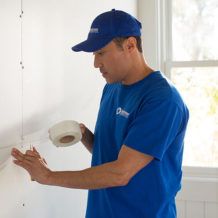
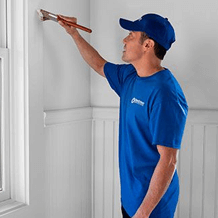
We are excited to announce that a long time Master Craftsman of our business is now the proud new owner; please join us in congratulating Earl Swader as the new owner of Handyman Connection of Blue Ash. Earl has previous business ownership already under his belt and is looking forward to continuing to serve the Blue Ash community as the proud owner.

Repairs / January 7, 2026

Cardboard boxes pile up quickly once you start sorting closets, and scuffs catch light near windows. Buyers see those marks in photos, then they start adding repair time to their mental schedule. A faster sale starts by cutting doubt, so an offer feels safer to accept quickly.
In Fort Worth, people often sell on short notice because work, family, or financing changes suddenly. Some owners choose to sell house fast in fort worth instead of scheduling weeks of fixes. Either way, the same prep work helps, because it removes friction during showings and negotiations.
Walk the home at the hour you expect photos, and turn on every light you plan to use. Stand in each doorway, then look for the first messy detail your eyes grab without effort. Write those items down, because they become the fastest wins once you start cleaning later.
Start outside, because curb feel shapes the mood before buyers hear a single word from you. Sweep the path, clear the porch, and trim plants away from railings and window glass. If the entry reads calm and cared for, people assume the inside will match too.
Inside, focus on surfaces buyers touch, because smudges and grit feel worse in an empty room. Wipe baseboards, clean switch plates, and scrub sink rims where mineral build up likes to form. Move counter clutter into one bin, so you can reset rooms in minutes before each showing.
Change HVAC filters, replace burnt bulbs, and keep one window cracked after cooking or showering. Odor sticks to soft goods, so wash curtains and pet beds, then vacuum vents and returns. If the house smells neutral, buyers focus on layout and condition instead of guessing about hidden moisture.
A quick sale rarely needs a full refresh, but it does need fewer inspection surprises. Most deals slow down over water entry, unsafe wiring, roof age questions, and access problems. Fixing those issues protects your price, because buyers stop picturing worst case repairs during escrow later.
Use a simple filter: repair anything tied to safety, water control, or basic home function. Cosmetic wear can stay if it is clean, while active defects raise fear and cost estimates. If you are unsure, ask a licensed trade or a trusted handyman for a quick review.
After safety items, do small touch ups where wear looks worst, like door edges and baseboards. Patch nail holes, caulk gaps at trim, and paint only the repaired spots to avoid color mismatch. If flooring is loose or torn, secure it, because trip hazards can trigger buyer credits or lender notes.
These fixes often save time later, even if you keep spending tight and skip cosmetic upgrades.
Paperwork speeds decisions because it replaces guesses with records that buyers can check quickly today. Gather permits, invoices, warranties, and manuals, then store them in one folder near the door. Add a short note for each major repair, including the date, the part, and the contractor name.
Texas sellers often provide a property disclosure, and buyers expect it early in the process. Use the Texas Real Estate Commission Seller’s Disclosure Notice, and compare each line with your home’s history. If you disclose a prior issue, note the fix and the year, so buyers see the full story.
If you filed insurance claims, pull the claim summary and any contractor scope from your insurer. Buyers ask about hail, roof work, and water events, because those items affect risk and insurability. A clean file helps you answer without guessing, which keeps talks steady after inspections, too.
Good photos come from clear sight lines, not from expensive furniture or trendy decor pieces. Aim for open floors, clean windows, and rooms that show where people place chairs and walk. Remove extra stools and small tables, because crowded corners make rooms look tighter in photos.
Create a short showing routine you can repeat without stress, even on a workday evening. Do a ten minute sweep, open blinds, turn on lights, and take trash out before you leave. Keep one tote in the car for last items, so counters and vanities stay clear.
Plan your response rules before the first showing, because fast answers keep buyers engaged longer. Know your move out date, your minimum price, and how you will handle repairs or credits. If access matters, set clear time windows for inspections, so the calendar stays under control.
Some homes need too much work to meet a buyer’s timeline or a lender’s repair conditions. If systems fail often or major damage is visible, repair lists can grow faster than budgets. In that case, price and terms can matter more than a fresh coat of paint.
Before you choose an as is route, collect facts that shape value for any future buyer. Check flood risk with the FEMA Flood Map Service Center, and save the map panel for your file. If the home ever took water, write down the year and repairs, so the question stays small.
If you compare offers, estimate your net after repairs, holding costs, and the time cost of delays. Include utilities, insurance, and missed workdays, because those add up during extended listing periods, fast. A clear worksheet makes the choice plain, even when emotions run high at home later.
A fast sale is usually built from small, repeatable actions rather than one big project. Handle safety items, clean the photo zones, and keep your repair file ready by the front door. Then you can evaluate offers with less stress, because the house story is already organized.

11115 Kenwood Rd.
Blue Ash, OH 45242

© Handyman Connection 2026 | Privacy Policy

 (513) 771-3950