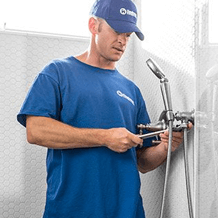
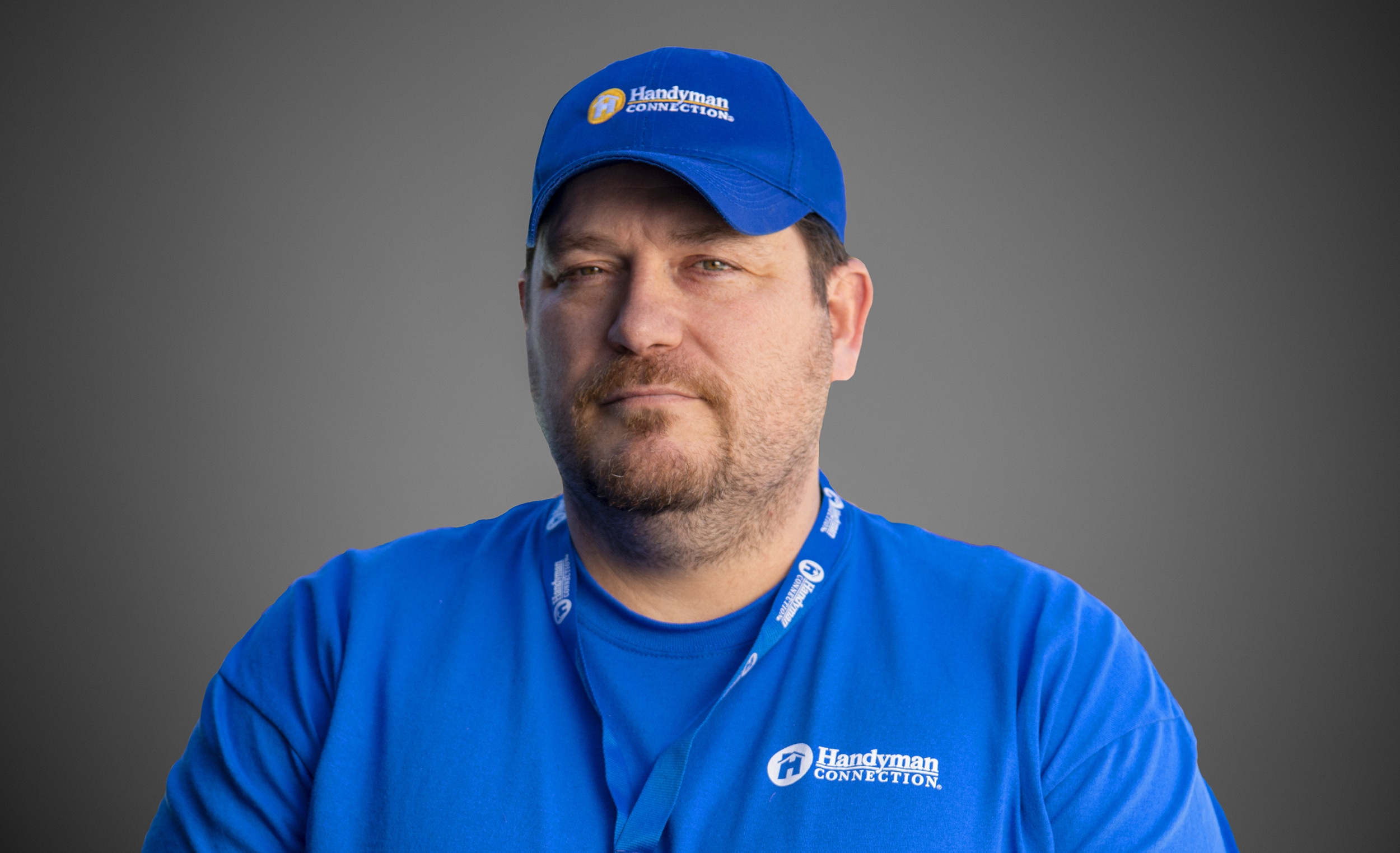
We are excited to announce that a long time Master Craftsman of our business is now the proud new owner; please join us in congratulating Earl Swader as the new owner of Handyman Connection of Blue Ash. Earl has previous business ownership already under his belt and is looking forward to continuing to serve the Blue Ash community as the proud owner.
Uncategorized / April 26, 2026

Preparing a commercial space for conferences, presentations, and live events means designing an environment where technology, layout, and logistics work together seamlessly. A well-prepared space supports clear communication, smooth transitions, and a positive attendee experience. Without proper planning, even small issues can disrupt an otherwise strong event.
Event expectations have increased in recent years. Attendees expect clear audio, strong visuals, reliable connectivity, and comfortable seating. Organizers also need flexibility to accommodate hybrid formats and changing schedules.
Success comes from approaching setup as a structured process rather than a last-minute task. Each element, from power supply to sightlines, plays a role in the overall experience. The following sections break down how to prepare a space that supports both in-person and hybrid events.
Room layout sets the foundation for everything else. Clear sightlines ensure every attendee can see presenters, screens, and demonstrations without obstruction.
Seating arrangements should match the event format. Conferences, panels, and workshops all require different layouts to maximize engagement.
Key layout considerations include:
Thoughtful layout planning improves flow and accessibility. Attendees stay more engaged when they can comfortably see and participate.
Complex events often require technical expertise beyond basic setup. Working with providers like AV labor in Anaheim, CA, can help ensure equipment is installed, tested, and managed correctly.
Professional support reduces the risk of technical failures during live sessions. It also allows event teams to focus on content and attendee experience.
Situations that benefit from AV support include:
Experienced technicians help maintain consistency throughout the event. Their involvement can prevent costly disruptions.
Power planning is often overlooked but critical to event success. Overloaded circuits can cause outages that interrupt presentations or damage equipment.
Each piece of equipment should be accounted for in advance. Dedicated circuits help ensure stable power distribution.
Important power considerations include:
Reliable power supports uninterrupted operation. Proper planning reduces the risk of unexpected failures.
Lighting affects both visibility and audience engagement. Poor lighting can make it difficult to see presenters or read screens.
Creating lighting zones allows for flexibility during different parts of the event. Adjustments can be made for presentations, panels, or networking sessions.
Key lighting elements include:
Balanced lighting enhances both visuals and atmosphere. Attendees remain focused when lighting supports the content.
Clear audio is essential for any event. Poor sound quality can quickly lead to frustration and disengagement.
Room acoustics should be considered alongside equipment selection. Even the best microphones cannot compensate for poor sound conditions.
Audio setup essentials include:
Strong audio ensures messages are delivered clearly. Attendees are more likely to stay engaged when they can hear without strain.
Cables are necessary but can create hazards if not managed properly. Organized routing keeps the space safe and visually clean.
Safety measures also help prevent equipment damage and accidental disruptions. Planning reduces last-minute adjustments.
Key cable management practices include:
Safe setups protect both attendees and equipment. A clean environment also enhances the professional appearance of the event.
Modern events rely heavily on internet connectivity. Presentations, demos, and hybrid components all depend on stable Wi-Fi.
Bandwidth planning is essential, especially for larger audiences. Insufficient capacity can lead to delays and technical issues.
Connectivity considerations include:
Reliable connectivity supports smooth presentations. It also enables interactive and hybrid experiences.
Hybrid events require additional planning for cameras, audio capture, and streaming platforms. Remote attendees should have a comparable experience to those on-site.
Camera placement and audio quality are critical for virtual engagement. Poor execution can limit participation.
Hybrid setup essentials include:
Well-executed hybrid setups expand reach. Events can engage both in-person and remote audiences effectively.
Preparing a commercial space for events requires attention to detail and structured planning. Each element, from layout to technology, contributes to the overall experience.
Consistency across setup, testing, and execution ensures smooth operation. Teams that plan are better equipped to handle unexpected challenges.
Long-term success comes from refining processes and working with experienced partners. Businesses that invest in proper preparation and leverage AV labor in Anaheim, CA, can deliver professional, reliable events that leave a lasting impression on attendees.

11115 Kenwood Rd.
Blue Ash, OH 45242

© Handyman Connection 2026 | Privacy Policy

 (513) 771-3950