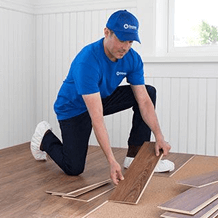
We are excited to announce that a long time Master Craftsman of our business is now the proud new owner; please join us in congratulating Earl Swader as the new owner of Handyman Connection of Blue Ash. Earl has previous business ownership already under his belt and is looking forward to continuing to serve the Blue Ash community as the proud owner.

Outdoors / May 11, 2026

A low-maintenance backyard built with turf comes down to smart planning, not guesswork. When the layout, base, drainage, and materials are handled correctly, maintenance drops to occasional brushing and rinsing instead of constant mowing and watering.
Homeowners often spend weekends chasing weeds, patching grass, and dealing with muddy spots after rain. A well-designed turf yard replaces those frustrations with a clean, durable surface that looks finished year-round and holds up under daily use.
Every successful turf project begins with understanding the space you are working with. Skipping this step leads to drainage issues, uneven surfaces, and early wear.
Walk the yard and take note of how it behaves after rainfall and during peak sunlight hours. Pay attention to where water collects and where foot traffic naturally cuts through.
A proper assessment should include:
These details shape every decision that follows, from base depth to turf type. Commercial sod and landscaping solutions can help you make the right choice.
A low-maintenance yard works best when turf is part of a larger layout rather than covering every inch. Mixing materials adds structure and reduces wear on key areas.
Plan the space with defined zones that guide how people move through the yard. This approach protects the turf and creates a more polished look.
Consider including:
Blending turf with hardscape elements keeps maintenance predictable and prevents overuse in one spot.
The base layer is where most turf projects succeed or fail. A rushed or shallow base leads to dips, wrinkles, and water problems within months.
Excavate the area to the proper depth, then install a compacted base made from crushed rock or similar material. Each layer should be leveled and compacted before moving forward.
Taking extra time here saves money and frustration later.
Weeds and standing water are two of the biggest threats to a low-maintenance yard. A proper barrier and drainage plan solves both issues before they start.
Lay a high-quality weed barrier across the entire base, making sure seams overlap securely. Then design drainage paths that guide water away from the turf.
Effective drainage planning includes:
Ignoring drainage often leads to odors, shifting turf, and long term damage.
Not all turf performs the same, and the right choice depends on how the yard will be used. Pile height, density, and infill all play a role in durability and comfort.
Think about who will use the space and how often. A family yard with pets has different needs than a decorative front area.
Key features to evaluate include:
Address Pet Use And Odor Control Early
Pets change how a turf yard performs, so planning for them from the start makes a noticeable difference. Without the right setup, odors and drainage issues can develop quickly.
Choose infill designed for odor control and ensure the base supports proper liquid flow. Rinsing becomes far more effective when the system underneath is built correctly.
Helpful strategies include:
Edges and seams often reveal the quality of a turf installation. Clean lines and well-placed seams create a finished look that blends with the rest of the yard.
Take time to map where seams will sit so they fall in low-visibility areas. Secure edges with durable materials that prevent lifting over time.
Strong finishing details include:
These details may seem minor, though they define the final result.
Lighting transforms a turf yard from a daytime feature into a usable space at night. It also improves safety and highlights design elements.
Focus on lighting that complements pathways and gathering areas rather than overpowering the space.
Effective lighting choices include:
Planning a low-maintenance backyard with turf comes down to thoughtful design and careful preparation. Each step, from site assessment to finishing details, contributes to a space that looks sharp and performs reliably.

11115 Kenwood Rd.
Blue Ash, OH 45242

© Handyman Connection 2026 | Privacy Policy

 (513) 771-3950