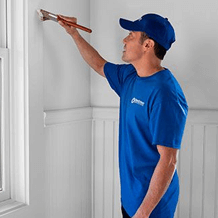
We are excited to announce that a long time Master Craftsman of our business is now the proud new owner; please join us in congratulating Earl Swader as the new owner of Handyman Connection of Blue Ash. Earl has previous business ownership already under his belt and is looking forward to continuing to serve the Blue Ash community as the proud owner.

Installations / June 24, 2026

Measuring your space can help you avoid buying a rug that feels too small or overwhelms the room. It also gives you a clearer sense of proportion, so furniture and flooring feel visually connected. Rug thickness can influence comfort and stability, as a suitable pad supports furniture placement and improves how the surface feels underfoot.
Placement works better when you follow furniture footprints and consider natural foot traffic, which helps the room feel open and easy to move through. Adding a rug to your home can change how the space feels and functions in subtle but important ways. The right rug can enhance your interior decor by tying together color, shape, and structure across the room.
Modern rugs often fit clean interiors with simple lines and neutral tones that feel light and open. Persian rugs bring detailed patterns and rich colors that add depth and tradition to a space. Your choice can depend on how you want the room to feel overall.
Modern styles can support minimal furniture layouts, while Persian designs can create a stronger visual focal point in classic or layered interiors. Mina Daryoushfar, Founder & Owner of Rug Source, says, “A rug choice often reflects personality as much as design preference, and both modern and Persian styles can transform a room when matched with the right space and lighting.”
Shopping for a rug can feel overwhelming because size, style, material, and placement all influence the final look. Small decisions can affect comfort, balance, and everyday functionality throughout the room. A few practical considerations can help narrow your options and make the selection process more manageable.
Taking accurate room measurements can help you choose a rug that fits the space with better proportion and balance. Dimensions provide a clearer picture of how the rug will interact with:
Measuring before shopping can reduce guesswork and make it easier to compare different sizes with confidence. Many homeowners also use painter’s tape to outline potential rug dimensions.
Rug pads can influence comfort, stability, and overall performance across different room settings. Thicker pads can add extra cushioning in living areas, making the surface feel softer and more comfortable underfoot. Thinner options can help maintain a flatter profile under furniture, especially in tighter spaces where balance matters.
The right pad can also reduce slipping and help preserve the rug’s structure over time. Proper support can extend the rug’s shape and improve how it sits on different flooring types.
Different flooring materials can affect how a rug sits, moves, and performs in everyday use. Hard surfaces such as tile or wood can create greater variation in grip, which may cause slight shifting if the rug is not well supported.
Softer floors can change how evenly the rug lies across the surface and may require extra stability. Matching the rug and flooring type can improve balance, reduce movement, and help maintain a cleaner, more structured appearance in the room.
Furniture placement can guide rug positioning so the space feels structured and well planned. A rug that sits under key furniture points, such as sofa legs or table edges, can create a more connected and unified layout.
Proper alignment can also improve visual balance, helping the room feel more organized at first glance. Clear coordination between furniture and rug placement can support both comfort and overall room flow.
High-traffic zones often benefit from clear, open paths that reduce obstruction and improve ease of movement. Thoughtful placement can support natural flow between areas while keeping key zones comfortable and accessible. A well-positioned rug can also help define walking routes, reduce cluttered visuals, and maintain a balanced feel throughout the space during everyday use.
Door clearance can affect rug placement more than many expect, especially in tighter spaces. Rugs placed too close to entry points can interfere with movement and create friction when doors open or close.
Leaving enough clearance supports smoother function and helps protect both the rug and the door over time. As noted by The Currency on Empower, “small design choices often shape how smoothly everyday spaces function.”
Rugs play a key role in shaping comfort, balance, and visual flow in interior spaces. Proper measurement helps you avoid sizing issues that disrupt room proportion and furniture alignment.
Thoughtful placement supports movement, defines zones, and improves how each area connects together. Small details such as pad thickness, flooring type, and door clearance can influence everyday functionality.
Do you wish to uncover more ways to improve your home and use handyman services? Then check out our other articles and learn practical tips that can help you refine your living spaces with better design choices and smarter home improvements.

11115 Kenwood Rd.
Blue Ash, OH 45242

© Handyman Connection 2026 | Privacy Policy

 (513) 771-3950