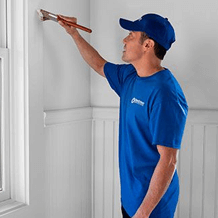
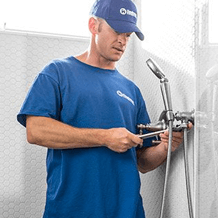
We are excited to announce that a long time Master Craftsman of our business is now the proud new owner; please join us in congratulating Earl Swader as the new owner of Handyman Connection of Blue Ash. Earl has previous business ownership already under his belt and is looking forward to continuing to serve the Blue Ash community as the proud owner.

Repairs / May 6, 2026

There are roughly 1,200 home repair scams reported every day across the country. This staggering frequency highlights why your final transaction is more than just a financial exchange; it is your ultimate leverage for quality control.
Preparing to hand off thousands of dollars in your own living room can feel awkward, sometimes even confrontational if you aren’t ready. But not when you have a clear protocol in place before the first hammer swings.
Here’s how you transform an otherwise stressful moment into a professional business conclusion.
Never let a contractor start work based on a verbal agreement regarding the money. A formal contract should explicitly outline when funds change hands and what specific milestones trigger those payments. This document acts as your roadmap, preventing the “mission creep” that often leads to unexpected costs at the end of the job.
Keep the larger chunk of the payment until work is verified, and the contractor stays motivated to finish the punch list. A signed agreement protects you, it details the job, it defines the costs.
Confusion at the front door is a recipe for a bad experience, especially if a technician expects a check and you only have a credit card. Discussing logistics early ensures the contractor brings the right equipment to facilitate the transaction. Modern pros have moved away from “cash only” models because digital trails offer security for both parties.
Sometimes connectivity issues arise, and WIFI becomes spotty. In such cases, a provider with several point of sale payment options allows the job to wrap up without a hitch by utilizing offline-capable terminals. These systems ensure that even if your basement or rural property has zero bars, your sensitive data is captured securely and processed once a signal is found.
Choosing how to pay involves balancing convenience with consumer protection. While some contractors offer a small discount for cash, this remains the riskiest move for a homeowner.
Personal or cashier’s checks provide a physical record of the transaction that your bank can track. They are widely accepted by independent tradespeople even if they lack instant fraud protection.
Using a card is often the smartest move for large-scale renovations. This is because credit card issuers allow you to dispute charges if the contractor fails to deliver the specific results promised in your contract.
Digital wallets are rapidly becoming the preferred method for quick service calls. By the end of this decade, biometric digital identity wallets will likely replace physical cards for in-home transactions to virtually eliminate identity theft.
Vague totals are unacceptable in a professional setting. You need to see the “why” behind the “how much” to ensure you aren’t being overcharged for standard supplies. A detailed bill allows you to verify that the high-end fixtures you paid for were actually the ones installed.
Before you tap your phone or sign a check, you want to ensure the home repair invoice includes a breakdown of hourly rates and specific material costs. This documentation is vital for your home records and can be used for future resale disclosures. Verify the totals, check the math, save the file.
Tipping in the home repair industry is never required, yet it remains a common point of anxiety for many homeowners. It is standard practice for professional outfits to prohibit payments exceeding 10% or $1,000 as an initial deposit, ensuring most of your money stays protected until the end.
The decision to tip is yours, but it’s best to base it on exceptional service. You can consider these tipping tips:
The moment the payment is cleared, your focus should shift to record-keeping. You might need those receipts five years from now when a lifetime warranty part fails or you need to prove an upgrade to an insurance adjuster.
Physical thermal paper receipts fade over time. Taking a quick photo for your cloud storage is a wise move to ensure the timestamp and the business name stay legible forever.
The shift toward secured payments is already changing how service providers interact with clients on-site. Modern hardware now prioritizes encryption that protects your financial data from the moment of contact. Security evolves, technology improves, your data stays private.
Handling payments with confidence ensures your home repair journey ends as successfully as it began. Professionalism on both sides of the transaction creates a lasting relationship with quality tradespeople. You can find more home improvement articles by searching our blog for the latest maintenance tips.

11115 Kenwood Rd.
Blue Ash, OH 45242

© Handyman Connection 2026 | Privacy Policy

 (513) 771-3950