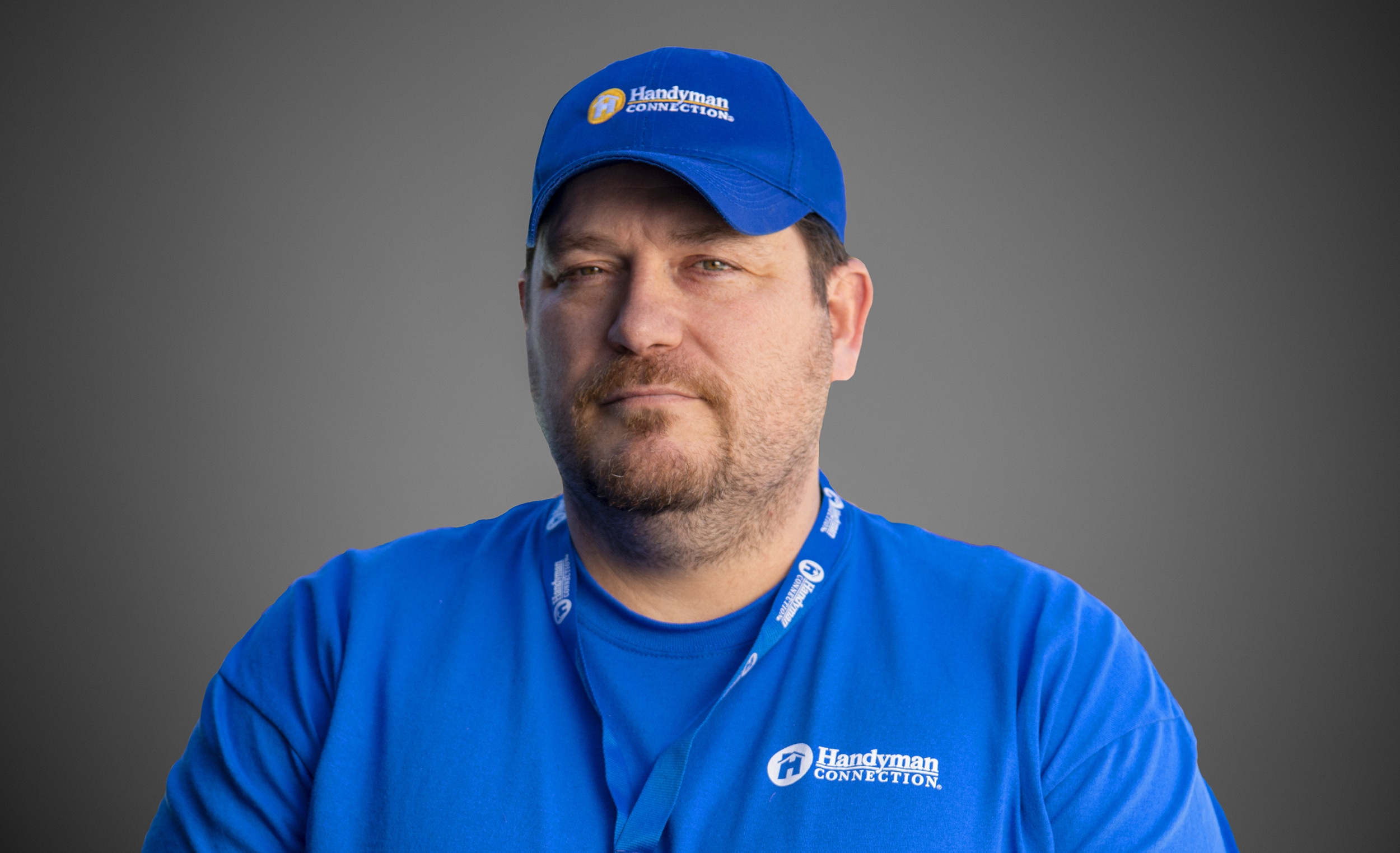
We are excited to announce that a long time Master Craftsman of our business is now the proud new owner; please join us in congratulating Earl Swader as the new owner of Handyman Connection of Blue Ash. Earl has previous business ownership already under his belt and is looking forward to continuing to serve the Blue Ash community as the proud owner.
Remodeling / June 24, 2026

Imagine sitting in your living room when a sudden, deafening crash shakes your entire home. A vehicle spinning out of control has just smashed through your front wall, leaving a gaping hole where your window used to be.
Every day, over 60 property owners face the shocking reality of vehicles crashing into structures on average, causing immediate chaos and severe structural jeopardy. When a car compromises the physical integrity of your house, garage, or fencing, knowing how to collect proof determines how quickly you recover your losses.
Managing the immediate aftermath requires a dual focus on physical safety and meticulous data collection. The initial forty-eight hours are critical for capturing transient evidence that insurance adjusters might later contest. By systematically recording the scene, you protect your financial interests and build an airtight foundation for property damage claims.
Your immediate priority after ensuring everyone is safe is to gather indisputable visual evidence of the impact zone. Step back and take wide-angle photographs of the vehicle while it is still embedded in the structure, as this establishes the exact point of contact.
Capture tight, detailed close-ups of cracked foundations, shattered brickwork, and splintered support beams from multiple angles. Video walkthroughs with vocal commentary can provide essential spatial context that static images often fail to convey.
Beyond visual media, you need to record precise physical dimensions and look for external digital evidence. Measure the length of skid marks on your lawn or driveway to help experts estimate the vehicle’s speed.
Knock on neighbors’ doors to obtain contact details from anyone who witnessed the collision or heard the tires screech. You must also check surrounding properties immediately to request preservation of doorbell footage or video from your well-set-up security camera system before the files get overwritten.
Local law enforcement will generate an official accident report containing the driver’s insurance policy data and initial fault determinations. Note the responding officer’s name, badge number, and the incident report number before they leave the scene. This official paperwork serves as the primary verification tool for your insurance carrier and accelerates the opening of your file.
While structural damage dominates your immediate attention, vehicle impacts frequently inflict severe physical injuries on residents inside the home. The sheer force of a car striking a wall can send dangerous debris flying through a room or cause partial ceiling collapses. If you or a family member suffered harm during the collision, addressing medical needs and documenting your physical recovery takes precedence over property repairs.
Navigating the intersection of personal injury and property claims becomes complex when dealing with aggressive insurance adjusters based in specific states. Seeking professional guidance from experienced car accident lawyers in Houston ensures that your rights remain protected throughout the evaluation process for collisions that occur in Texas, for example. Legal advocates who know the area can effectively handle insurer communications, prevent you from accepting undervalued settlements, and keep your case aligned with strict filing windows.
Property owners have a legal obligation to mitigate further damage to their homes immediately after an incident. Failing to secure an open structure can result in secondary weather damage or vandalism, which insurers may refuse to cover. You must coordinate an emergency board-up service to seal exposed walls and install temporary tarps over compromised sections of the roof.
Hiring an independent structural engineer is a critical step before allowing any cosmetic repairs to begin on your home. A vehicle impact can cause hidden fractures throughout a concrete slab or shift load-bearing walls far from the actual point of impact. These professionals provide detailed engineering reports outlining the precise scope of the necessary reconstruction work.
Navigating municipal building codes is the final administrative hurdle before your selected contractors can begin rebuilding. Most jurisdictions require specific structural permits for major wall, foundation, or framing reconstruction to guarantee the building remains safe. Maintaining a centralized file of all engineering reports, municipal permits, and contractor invoices ensures a transparent tracking process for eventual reimbursement.
Insurance companies frequently attempt to minimize payouts by applying depreciation schedules to older structural components. To counter this tactic, review your policy details to confirm whether you possess replacement cost coverage or actual cash value terms. Maintaining an assertive stance backed by independent contractor estimates prevents the insurance adjuster from dictating the cost of your repairs.
Be prepared for the insurer to send their own preferred vendors to evaluate the structural integrity of your home. You are not obligated to use their recommended repair teams and should always seek secondary opinions to verify repair costs. Comparing independent quotes against the insurer’s initial settlement offer highlights hidden discrepancies and provides leverage during payout negotiations.
Our site has many more posts for homeowners facing dilemmas, so read more on our blog if you’ve still got burning questions.
11115 Kenwood Rd.
Blue Ash, OH 45242

© Handyman Connection 2026 | Privacy Policy

 (513) 771-3950