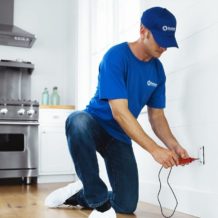
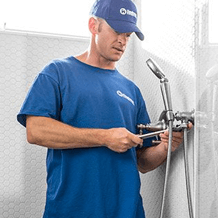
We are excited to announce that a long time Master Craftsman of our business is now the proud new owner; please join us in congratulating Earl Swader as the new owner of Handyman Connection of Blue Ash. Earl has previous business ownership already under his belt and is looking forward to continuing to serve the Blue Ash community as the proud owner.

Doors / June 3, 2026

Choosing the right contractor affects more than repair quality. Window and door repairs influence energy efficiency, home security, weather protection, and long-term maintenance costs. Poor workmanship can lead to drafts, water intrusion, alignment issues, and recurring repairs, increasing ownership expenses over time.
Homeowners continue to prioritize property upkeep. According to the U.S. Houzz & Home Study, 50% of homeowners plan to undertake renovation projects in 2026, while 35% plan repair projects. These figures show why contractor choice matters: the value of the work depends on accurate diagnosis, proper materials, clean installation, and reliable follow-up. Contractor selection often determines whether a repair solves the problem permanently or creates additional issues later.
A contractor’s experience and attention to detail directly affect the performance, appearance, and lifespan of windows and doors. The right specialist does more than fix visible damage. They check how the frame, glass, seals, hardware, insulation, and surrounding structure work together. This helps prevent small issues from turning into drafts, leaks, sticking doors, water damage, or repeated repair costs.
Proper repairs address the underlying cause of a problem rather than temporarily covering symptoms. A skilled contractor identifies issues such as moisture intrusion, frame movement, failed seals, damaged hardware, or improper installation. Correcting these problems early helps prevent recurring repairs and extends the life of existing components.
Low-quality repairs often create additional expenses. Improper sealing can increase heating and cooling costs, while poor installation may allow water to penetrate, damaging surrounding walls, flooring, or insulation. Investing in qualified professionals reduces the risk of costly corrective work later.
Windows and doors contribute to both home security and energy performance. Proper alignment, functioning locks, weatherstripping, and secure installation help maintain indoor comfort while protecting against unauthorized entry. Experienced contractors understand how these systems work together and ensure repairs meet current performance standards.
The most reliable contractors share several professional qualifications that separate them from less experienced providers. These qualifications show knowledge of repair standards, safety requirements, product compatibility, local building rules, and proper project documentation. They also help reduce repair mistakes, warranty issues, and unexpected costs.
A strong reputation often reflects consistent workmanship, professionalism, and customer satisfaction. It also shows how a contractor communicates before, during, and after the repair, whether they respect deadlines, explain problems clearly, and stand behind the quality of completed work.
Review platforms provide insight into communication, reliability, scheduling, and repair quality. A few negative reviews are normal, but repeated complaints about missed deadlines, poor workmanship, unclear pricing, poor cleanup, or unresolved warranty issues deserve much closer attention.
Established contractors should provide references from recent customers and clear examples of completed repairs. Speaking with previous clients helps confirm project management, professionalism, cleanliness, communication, and whether the repair held up well over time.
Patterns matter more than individual reviews. Contractors with years of positive feedback, repeat customers, detailed testimonials, and documented project history usually present lower risk than providers with limited experience, vague reviews, or inconsistent service records.
Local expertise provides meaningful advantages when window and door projects depend on regional weather, building requirements, and long-term performance. Homeowners looking for experienced Barrie windows and doors professionals often benefit from local specialists who understand how freezing temperatures, moisture exposure, and seasonal expansion affect frames, seals, glass, and hardware.
Price alone rarely provides an accurate picture of overall value. A good estimate should show what is included, what materials will be used, how long the work will take, and what protection the homeowner receives after completion.
Detailed estimates clearly explain what work will be performed, which materials will be used, and what conditions are included. They should also mention preparation, removal, cleanup, and any limits of the quoted work. Vague proposals make it difficult to compare contractors accurately.
Material quality affects durability, appearance, and long-term performance. Estimates should identify major components, replacement hardware, glass specifications, sealing materials, and any product options whenever applicable. This helps homeowners understand whether quotes reflect similar quality levels.
Strong estimates include project timelines and warranty information. Understanding both labor and product coverage helps homeowners evaluate the long-term value of each proposal rather than focusing exclusively on upfront cost. Clear timelines also reduce confusion about scheduling, completion dates, and possible delays.
Certain warning signs often indicate higher project risk. They can reveal weak workmanship, poor organization, unclear pricing, unreliable communication, or limited accountability after the work is complete. Identifying these issues early helps homeowners avoid delays, unexpected costs, and repairs that may require additional corrective work later.
The final review process helps prevent misunderstandings and ensures expectations remain clear before any work begins. It gives homeowners one last chance to confirm pricing, materials, responsibilities, timelines, warranty protection, and any limits or exclusions in the agreement.
Contracts should specify project scope, materials, payment schedules, completion timelines, cleanup responsibilities, and obligations for both parties. Every verbal agreement should appear in writing before work starts, including changes to materials, access requirements, and any extra charges.
Homeowners should understand exactly what is covered, how long coverage remains active, and what circumstances may void warranty protection. Clear warranty language reduces future disputes and clarifies who handles product defects, labor issues, service calls, and replacement parts.
Discussing work hours, site access, cleanup procedures, material delivery, and expected completion dates helps establish realistic expectations from the beginning. Transparency often improves the overall project experience and reduces scheduling conflicts, delays, and confusion during installation or repair work.
Before signing, homeowners should complete a final review of the contractor, estimate, and contract terms. These checks help reduce risk, confirm that all important details are clear, and prevent misunderstandings about pricing, materials, timelines, warranty coverage, or project responsibilities before work begins.
Taking time to complete this checklist helps homeowners make a confident decision and reduces the risk of disputes, delays, or unexpected costs after the project begins.
Choosing the right contractor plays a major role in the long-term performance, security, and efficiency of windows and doors. Evaluating qualifications, reputation, estimates, warranty coverage, and contract details helps homeowners make informed decisions and reduce the risk of costly problems. A careful selection process increases the likelihood of quality workmanship, clear communication, and reliable results that last for years.

11115 Kenwood Rd.
Blue Ash, OH 45242

© Handyman Connection 2026 | Privacy Policy

 (513) 771-3950