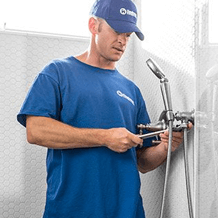
We are excited to announce that a long time Master Craftsman of our business is now the proud new owner; please join us in congratulating Earl Swader as the new owner of Handyman Connection of Blue Ash. Earl has previous business ownership already under his belt and is looking forward to continuing to serve the Blue Ash community as the proud owner.

Decks / May 29, 2026

A handyman business owner missed three customer calls during a busy week because two technicians were working in areas with poor reception. Another employee ran out of mobile data while trying to upload project photos from a job site. Small communication issues quickly turned into scheduling delays, frustrated customers, and lost revenue opportunities.
Reliable phone service has become essential for modern trade businesses. Handyman teams rely on mobile devices for customer communication, navigation, invoicing, scheduling, photo documentation, and team coordination throughout the workday.
Choosing the right phone plan involves more than finding the cheapest monthly rate. Small trade companies need plans that support job site communication, flexible data usage, and scalable options as teams grow.
Every handyman business operates differently depending on crew size, service area, and daily workload. Solo operators may only need basic talk, text, and navigation support, while larger crews often rely heavily on mobile apps, shared scheduling tools, and cloud-based documentation.
Many trade businesses researching scalable communication setups compare different business mobile plans to evaluate pooled data, multi-line discounts, and coverage options for field teams. Comparing features early helps prevent communication problems as operations expand.
Several communication needs should be reviewed first:
Understanding daily workflows helps businesses choose more practical plan structures.
Affordable phone plans may create expensive operational problems if technicians regularly lose service at job sites. Coverage quality should be evaluated across the actual regions where crews work most frequently.
Urban, suburban, and rural coverage performance can vary significantly between providers. Businesses operating across multiple service areas should confirm network reliability before committing to long-term contracts.
Several coverage considerations include:
Reliable service helps reduce missed calls and scheduling delays.
Field technicians increasingly rely on mobile apps throughout the day. Uploading invoices, sharing photos, accessing project management tools, and streaming directions can consume substantial amounts of data each month.
Businesses sometimes underestimate how quickly mobile usage grows as operations become more digital. Monitoring usage patterns early can help avoid overage charges and performance slowdowns.
Several common data-heavy activities include:
Higher data plans may improve efficiency for busy field teams.
Shared or pooled data plans allow multiple employees to use one combined data allowance rather than maintaining separate limits for each line. Many small trade businesses prefer pooled plans because usage often varies between technicians.
One employee may consume far more data than another, depending on workload and responsibilities. Shared plans can provide more flexibility while reducing wasted unused data.
Several benefits of pooled plans may include:
Shared plans often work well for growing teams.
eSIM technology allows users to activate mobile plans digitally without physical SIM cards. Businesses managing multiple devices or remote onboarding processes may find eSIM support especially convenient.
Technicians can sometimes switch devices faster when replacements are needed after damage or loss. Flexible device management can reduce downtime for field employees.
Several eSIM advantages may include:
Modern device flexibility can improve operational efficiency.
Handyman teams frequently store customer information, invoices, photos, and scheduling data on mobile devices. Businesses should consider whether phone plans or providers support mobile device management features.
Lost or stolen devices can create security and operational risks without proper controls in place. Remote management tools may help businesses protect sensitive information more effectively.
Several useful management features include:
Basic security planning can help reduce operational disruptions.
Estimating data usage before selecting a plan can prevent future billing surprises. Small businesses can build rough estimates based on daily technician activity and app usage.
Several activities commonly affecting monthly data usage include:
Businesses with multiple technicians should estimate both individual and team-wide usage patterns.
Independent handymen often prioritize affordability and flexibility because usage demands remain relatively predictable. Small teams, however, usually need stronger collaboration tools and scalable account management.
Businesses planning future growth should avoid selecting plans that become restrictive as additional technicians are hired. Flexible contracts and scalable data options often provide better long-term value.
Several solo operator priorities may include:
Larger teams often require more advanced management features and support options.
Trade businesses frequently experience seasonal workload fluctuations that affect phone usage patterns. Monitoring data consumption and setting usage alerts can help companies stay within budget.
Some providers offer account controls that notify managers before overage charges occur. Visibility into usage patterns also helps businesses identify opportunities to adjust plans more efficiently.
Several budgeting tools may include:
Better visibility helps businesses control communication expenses.
Reliable communication systems play a major role in scheduling efficiency, customer satisfaction, and day-to-day coordination for handyman teams. Phone plans should support both current operational needs and future business growth without creating unnecessary complexity.
Coverage reliability, data flexibility, device management, and scalable pricing structures all matter when selecting mobile solutions for field crews. Many small trade businesses continue comparing business mobile plans through providers like Optus when evaluating communication tools that support efficient operations and growing service teams.
11115 Kenwood Rd.
Blue Ash, OH 45242

© Handyman Connection 2026 | Privacy Policy

 (513) 771-3950