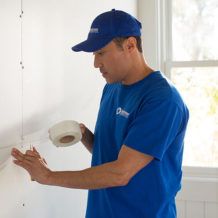
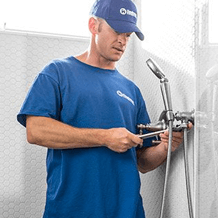
We are excited to announce that a long time Master Craftsman of our business is now the proud new owner; please join us in congratulating Earl Swader as the new owner of Handyman Connection of Blue Ash. Earl has previous business ownership already under his belt and is looking forward to continuing to serve the Blue Ash community as the proud owner.

Kitchen / April 17, 2026

Hiring a contractor without checking their trade training is a gamble. One wrong choice can mean failed inspections, costly rework, or unsafe wiring behind your walls. A few simple checks can protect your home and your wallet.
Start with the basics. Ask for the contractor’s license number and look it up on your state’s official licensing website. License verification confirms that the contractor met minimum education and training requirements before being approved to work.
Checking takes only a few minutes. Make sure the license is active, not expired, and matches the exact name on the estimate or contract.
Licenses show legal approval, but trade training reveals how the contractor learned their craft. Ask which trade school, apprenticeship program, or technical college they attended.
A contractor who completed formal training should be able to explain:
Graduates from reputable programs, such as trade schools in Corpus Christi, often complete hands-on labs and industry-focused coursework before stepping onto a job site.
Clear answers show confidence. Vague responses may signal limited formal preparation.
Trade training does not stop after graduation. Skilled contractors should stay current with updated building codes, safety standards, and new technologies.
So, ask for copies of certifications related to their specialty. Electricians, HVAC technicians, and welders often hold industry-recognized credentials that require testing and ongoing education.
Licensed professionals follow state regulations and safety requirements to maintain good standing. Ongoing education plays a key role in keeping those credentials active.
Valid certificates should list issue dates and expiration dates. Up-to-date documentation shows active engagement in the trade.
Ask how long they worked under a licensed professional before operating independently. Proper supervision during training makes a measurable difference in quality and safety.
Strong apprenticeship backgrounds often include:
Detailed work histories suggest structured learning. Short or inconsistent timelines may deserve follow-up questions.
Membership in professional trade associations can signal commitment to higher standards. Many associations require proof of training, testing, or years of experience before granting membership.
Contractors who belong to recognized industry groups often follow codes of ethics and participate in ongoing education. Ask which associations they belong to and whether membership is active.
Verification is simple. Visit the association’s website or contact the organization directly to confirm the contractor’s standing.
Properly trained contractors are more likely to meet insurance requirements. Carriers often evaluate experience, certifications, and risk history before issuing policies.
Homeowners should request a certificate of insurance sent directly from the insurer and verify that the policy is active. Independent verification prevents forged or outdated documents from slipping through.
Bonding adds another layer of accountability. Bonded contractors usually undergo background checks and meet financial standards, which often align with professional training and licensing requirements.
Simple questions can reveal a lot about someone’s training. So, ask how they plan to approach your specific project and which codes or materials apply.
Well-trained contractors always explain processes clearly. They can describe things like:
Hesitation or overly generic answers may indicate limited formal education. Clear, confident explanations, on the other hand, usually reflect structured training and hands-on experience.
Not every contractor who talks confidently has the training to back it up. Certain warning signs can point to gaps in formal education or supervised experience.
Pay attention if they avoid sharing license numbers, hesitate when discussing where they trained, or cannot provide documentation for certifications. Contractors who push for large up-front cash payments or refuse written agreements may also be cutting corners in other areas.
Inconsistent answers about apprenticeship timelines or vague descriptions of past projects deserve follow-up questions, as well. Solid trade training usually leaves a clear paper trail and a confident explanation of skills.
Spotting these red flags early can save you from costly repairs, failed inspections, and major frustration later.
Checking a contractor’s trade training is not about being difficult. It is about protecting your home, your budget, and your peace of mind.
License verification, certification checks, apprenticeship history, and school background all work together to paint a full picture. Taking each of the above steps can prevent expensive surprises later.
Was this post helpful? If so, be sure to take a look at our other informative articles!

11115 Kenwood Rd.
Blue Ash, OH 45242

© Handyman Connection 2026 | Privacy Policy

 (513) 771-3950