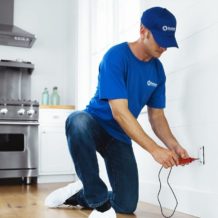
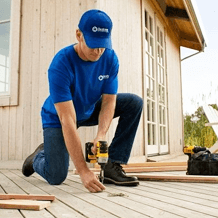
We are excited to announce that a long time Master Craftsman of our business is now the proud new owner; please join us in congratulating Earl Swader as the new owner of Handyman Connection of Blue Ash. Earl has previous business ownership already under his belt and is looking forward to continuing to serve the Blue Ash community as the proud owner.
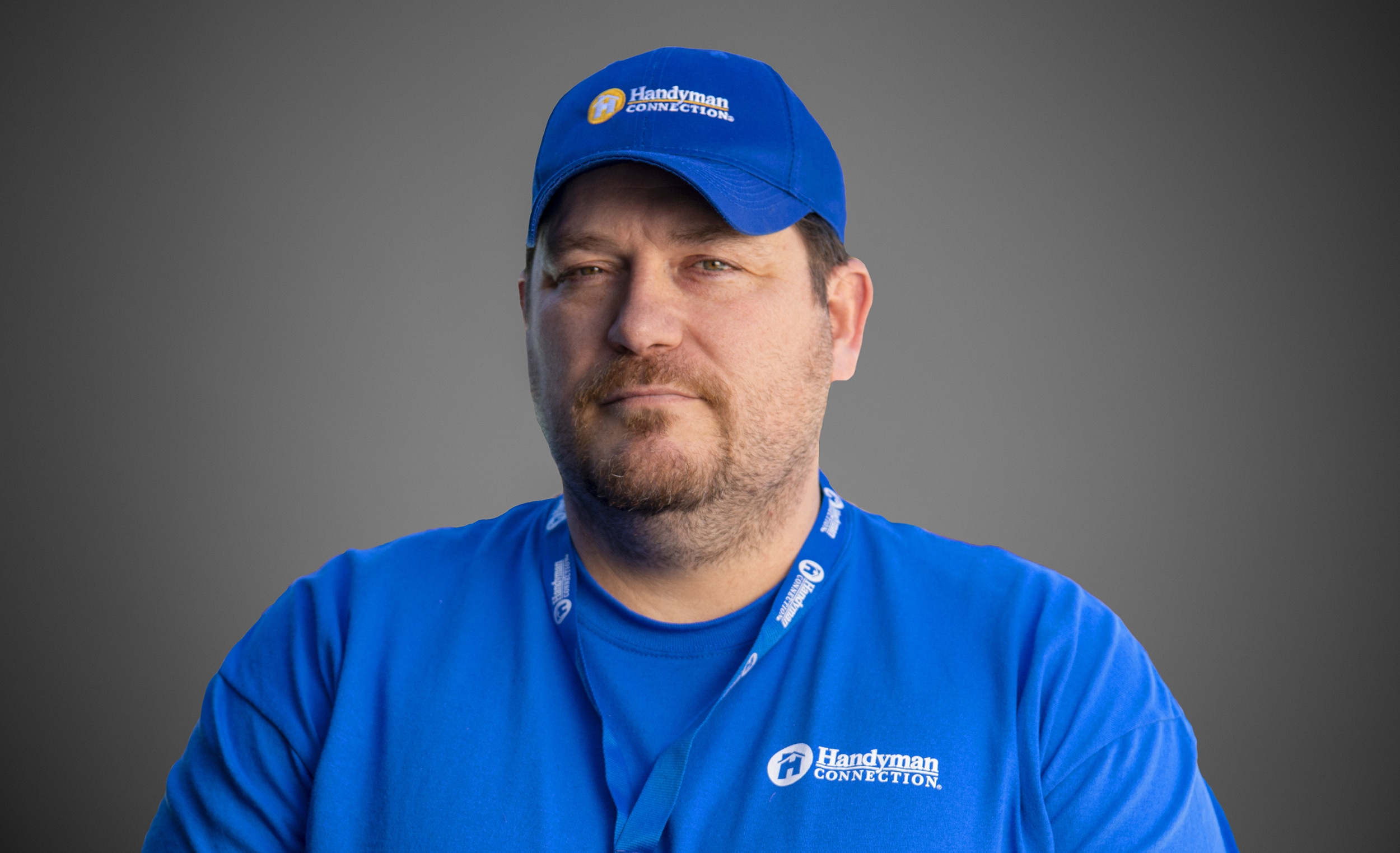
Outdoor Living / August 21, 2025

Whenever people consider building or upgrading a playground, a pool deck, or even a walking path, one of the first questions is simple: how long will the surface last? Nobody wants to spend money on something that starts falling apart after only a few years. Poured-in-place rubber has become a common choice because it mixes safety with comfort. But what about durability?
The truth is, not all materials hold up equally. Wood can rot, stone can stain, concrete can crack. Poured rubber was designed to avoid those headaches. It offers flexibility without losing strength, which is one reason SafeStep provides the best surface for areas that need to be both practical and long-lasting.
Imagine tiny pieces of rubber bound together with a strong adhesive, then spread out and smoothed into a single, seamless layer. That’s essentially what poured rubber is. It isn’t broken up into tiles, and it doesn’t peel like mats. Instead, it bonds directly to the base — usually concrete or asphalt — and cures into a springy, slip-resistant surface.
The thickness can vary. A backyard pool may only need a thinner layer, while a playground with climbing structures might require extra cushioning. That flexibility explains why it shows up in so many different spaces.
So, how many years can you expect? Most poured rubber surfaces last somewhere around eight to twelve years before they need significant repair. With decent care, some survive closer to fifteen. That’s a pretty wide range, and the differences usually depend on how much use the surface gets and what kind of weather it faces.
Think about it this way: a school playground with hundreds of kids each day will wear down faster than a private pool deck used on weekends. Sun, snow, and rain also speed things up. And of course, the quality of installation plays a huge part.
Durability is where poured rubber earns its reputation. Because it’s seamless, water can’t sneak underneath and freeze during winter, which is often what wrecks concrete. It doesn’t splinter like wood or fade as quickly as artificial turf. And unlike rubber tiles, there are no joints that can separate over time.
In short: fewer weak spots, less chance of early failure.
Even the best material won’t last long if the base isn’t prepared correctly. A poor foundation or a bad binder mix will shorten the life of the whole project. Skilled installers know how to avoid those mistakes.
Extreme climates push materials to their limits. UV rays fade colors, ice stresses the surface, and heavy rain can test drainage. Rubber is built to handle all of this, but constant extremes will reduce lifespan faster.
Heavy foot traffic equals faster wear. A playground, a city park, or a public pool simply puts more stress on the surface than a private deck. Planning thickness for expected use is key.
Rubber doesn’t need much, but it still benefits from simple care. A quick rinse, occasional scrubbing, and a new topcoat every few years keep it fresh. Neglect shortens its life; attention stretches it.
Every surface eventually tells you it’s getting old. With poured rubber, you might notice thin patches, fading colors, or edges pulling away. Sometimes it feels less cushioned underfoot. These aren’t reasons to panic. Small repairs or a thin resurfacing layer often fix the issue without tearing everything out.
There’s no magic trick here. Just a few practical habits:
Do that, and the surface will usually live on for years beyond its average.
Take community playgrounds. They handle rough play every single day, yet many installations last well over a decade. Compare that with wooden chips or turf that need constant refreshing. Private pools do even better since the use is lighter — those surfaces often cross the fifteen-year mark.
Commercial gyms or walking paths fall somewhere in the middle. Lots of traffic but usually controlled conditions. Again, the numbers show that poured rubber doesn’t quit early.
Poured rubber avoids most of these weaknesses, which explains why its average life is longer.
It’s fair to point out: the upfront cost is higher than plain concrete. But think about what you get — fewer injuries from falls, little maintenance, no need for annual sealing, and a surface that stays comfortable season after season. That’s where the real value shows itself. The long life offsets the price.
So how long does poured rubber surfacing last? In most cases, eight to twelve years — often longer with care. It resists cracks, handles heavy use, and offers comfort that other materials can’t. Maintenance is minimal, repairs are straightforward, and the overall durability makes it a dependable choice.
That’s why more cities and homeowners are looking beyond pools and playgrounds, exploring poured rubber for other public spaces too. In fact, many have already started installing rubber sidewalks, proving the material’s lifespan and toughness translate well beyond recreational areas.

11115 Kenwood Rd.
Blue Ash, OH 45242

© Handyman Connection 2026 | Privacy Policy

 (513) 771-3950