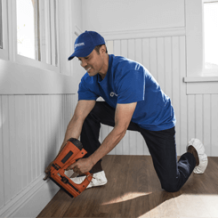
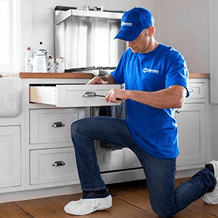
We are excited to announce that a long time Master Craftsman of our business is now the proud new owner; please join us in congratulating Earl Swader as the new owner of Handyman Connection of Blue Ash. Earl has previous business ownership already under his belt and is looking forward to continuing to serve the Blue Ash community as the proud owner.

Roofing / June 20, 2026

Anyone who has owned a home in Brisbane long enough has probably asked the same question after a big summer storm: how much life is left in the roof overhead? Colorbond steel has become the default choice for thousands of Queensland houses, so homeowners reasonably want a straight answer about how long it holds up before replacement.
The short version is that a well-installed Colorbond roof can last 40 to 70 years in Brisbane conditions. That range is wide because the result depends on a few things you can control and a couple you can’t. Below are the questions homeowners ask most, answered around how the material behaves in a humid, sometimes coastal climate.
Colorbond is steel coated with a zinc and aluminium alloy, then finished with a baked-on paint layer built to resist fading and chalking. A Brisbane roof copes with intense summer UV and months of high humidity, with heavy downpours on top. The coating is rated for those conditions, which is part of why local builders keep specifying it on new homes.
Heat is the other factor. Lighter Colorbond colours reflect more solar radiation, keeping roof cavities cooler and easing the air-conditioning load through the worst of summer. That reflective quality suits the climate better than darker, heat-absorbing materials.
Yes, and plenty of homeowners get caught out here. Salt in the air speeds up corrosion on any metal roof. A house in the bayside suburbs faces a harsher environment than one out in Toowong or The Gap. The fix is matching the grade of steel to the location, because there are marine-grade Colorbond products made for coastal exposure. Installers who work across the city will know which one your address calls for. Colorbond roofing specialists treat that grade-matching as standard, since getting it wrong can shave a decade off a roof’s life.
A great deal. Two identical sheets of Colorbond can age quite differently depending on who screwed them down. The shortcuts that quietly cut a roof’s lifespan tend to be incorrect fastener spacing or degraded sealant at the flashings, plus poor fall that lets water pool instead of running off. None of it shows on day one. It surfaces years later as rust streaks and leaks around roof penetrations, or as sheets that start lifting in high wind.
The labour is where your money earns its keep. Dodgy operators rarely cut corners on the sheets themselves; they cut them on the detailing. A licensed roofer who documents the flashing work and uses the right fasteners for steel adds years that a cheaper quote takes away without telling you.
Less than tile, though not zero. A twice-yearly check covers most of what goes wrong. The main jobs are clearing leaves and debris out of gutters and valleys so water keeps moving, then rinsing salt and grime off the sheltered sections that rain never reaches. While you are up there, look over the flashings and fasteners for any early movement or rust.
Brisbane’s storm season makes the gutter clearing important. Blocked gutters back water up under the sheet edges, and that trapped moisture is what starts corrosion on a roof that was otherwise fine. Twenty minutes with a ladder twice a year heads off repairs that run into the thousands.
A couple of signs point to replacement over patching. Rust spread across several sheets, rather than one isolated patch, usually means the protective coating has reached the end of its working life. Leaks that keep appearing in different spots suggest the whole system is tired rather than damaged in one place.
Age by itself is not a reason to replace a roof that still does its job. Plenty of roofs from the 1990s remain sound. Condition is the better measure, and a proper inspection tells you whether you are looking at another fifteen years or a job worth booking now.
For most Brisbane homes, the maths favours it. Tile roofs last a long time too, but they weigh more and crack in hail, and they seal less well against wind-driven rain. Older metal roofing without the modern coating corrodes faster. Colorbond lands in a useful middle ground. It is lighter than tile and lasts for decades, and it copes with the mix of summer sun and salt-laden storms this corner of Queensland delivers.
The choice usually comes down to upfront cost against decades of low-fuss performance. A roof you install once and barely think about for half a century tends to win that argument, especially when the alternative is climbing back up there far more often than you would like.

11115 Kenwood Rd.
Blue Ash, OH 45242

© Handyman Connection 2026 | Privacy Policy

 (513) 771-3950