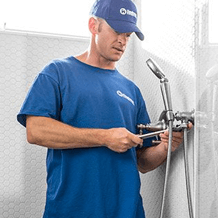
We are excited to announce that a long time Master Craftsman of our business is now the proud new owner; please join us in congratulating Earl Swader as the new owner of Handyman Connection of Blue Ash. Earl has previous business ownership already under his belt and is looking forward to continuing to serve the Blue Ash community as the proud owner.

Home Maintenance / February 2, 2026

A socket set wrench can serve for decades if treated with care. Most high‑quality socket sets last anywhere from 10 to 30 years, and some even longer, depending on how they are used, cleaned, and stored. This lifespan depends less on age and more on how well each tool resists wear, corrosion, and misuse during regular tasks.
Many people assume that replacing a socket set every few years is normal, yet that often comes from poor maintenance instead of real wear. Simple steps such as wiping tools after each job, applying light oil for protection, and storing them in a dry place can preserve performance for years.
A closer look at material quality, usage habits, and care methods shows why some socket sets outlast their owners while others fail early. Understanding these factors helps anyone keep their wrenches in top shape and avoid wasting money on replacements.
A socket set wrench can last many years if made from durable materials, used within its limits, and cared for correctly. Proper handling, regular cleaning, and controlled storage conditions help prevent wear and corrosion that shorten its lifespan.
The metal composition and build quality largely decide how long a wrench set performs well. A high quality socket set wrench usually contains chrome vanadium or chrome molybdenum steel, which resists rust and wear. These alloys hold shape under pressure and reduce the chance of cracking.
Forged tools tend to last longer than cast ones because they have a denser grain structure. This gives them higher strength for repeated use. A uniform surface finish and precise machining also reduce weak points that can fail under stress.
Lower-grade metals may bend, round off, or corrode after repeated use. Therefore, users who value durability often invest in well-built sets with tight tolerances and protective coatings. This helps maintain torque accuracy and extends service life.
How often and how hard the wrenches work affect wear and tear. Tools used daily in commercial environments face more strain than those used infrequently for household repairs. Continuous exposure to heavy loads or improper torque can distort sockets or strip drive ends.
A socket used on fasteners of the wrong size can wear prematurely. Aside from improper fit, over-tightening also shortens the life of stretching metal and reduces its strength. To prevent stress damage, users should match the right drive size to each job and use consistent force.
Occasional oiling of moving parts in ratchet handles reduces friction during work. That helps maintain a smooth turn and limits internal grinding between gear teeth. Controlled use therefore has a direct link to how long a set remains functional.
Routine upkeep allows socket wrenches to perform reliably for years. Dirt, grease, and metal particles can settle inside sockets and ratchets, which leads to wear. After each use, wiping tools with a dry or slightly oiled cloth helps remove debris and prevent rust.
Inspecting sockets for cracks and replacing damaged ones protects the rest of the set. Applying a light layer of rust inhibitor helps in humid environments. If the tool has a ratchet head, occasional lubrication at the gear mechanism keeps the motion even.
Simple habits such as returning sockets to their tray in order also reduce loss and contamination. Consistent care preserves surface coating, improves grip, and limits friction during future use.
Environmental exposure can degrade tool surfaces faster than regular use. Humid air, extreme heat, or repeated temperature change promotes corrosion and weakens protective finishes. Storing the socket set in a cool, dry space slows oxidation and prevents rust spots.
Ideally, tools remain inside closed cases or tool cabinets to avoid dust and moisture. Adding silica gel or other moisture absorbers helps control humidity. If the workspace experiences high temperature swings, insulating the storage area provides better protection.
Keeping tools separated by size inside foam inserts prevents unnecessary impact damage during transport. A clean, stable storage environment not only prevents rust but also helps each component stay in correct alignment for better long-term performance.
Keeping socket set wrenches in good condition depends on consistent care, correct handling, and suitable storage. Regular inspection, correct cleaning methods, proper lubrication, and matching the right tool to the task help extend tool life and maintain reliable performance.
Regular checks help catch early signs of wear before a failure occurs. Users should examine sockets for cracks, chips, and rounding on the internal walls. A split socket or worn edge can slip under pressure and damage a fastener or cause injury.
Ratchets need special attention. A person should test the pawl engagement by rotating the handle under light load. Any skipping or noisy movement suggests gear damage or lack of lubricant. Extensions and universal joints must also move freely without excessive play.
Keeping a simple checklist simplifies the process:
Early replacement of damaged pieces avoids further strain on the rest of the set.
Different socket finishes require specific care. Chrome sockets, common in a standard socket set or metric socket set, should be cleaned with warm water and mild detergent to remove grease and road grit. After rinsing, the tools must be dried completely with a microfiber cloth to avoid water spots or rust.
For a black oxide or impact socket set, cleaning should use less moisture. A quick wipe with a rag and a small amount of light oil protects the porous surface from flash rust. Using compressed air removes debris from tight areas like a spark plug socket or the detent hole on deep sockets.
Avoid abrasive pads or steel brushes on any chrome finish, as they scratch the surface and weaken rust resistance. Clean tools after every project rather than letting dirt harden over time.
Proper lubrication reduces wear and prevents corrosion. Ratchets in a socket wrench set should receive a thin film of light machine oil on the gears and pawls. Too much grease attracts dust that clogs the mechanism. A few drops are usually enough to restore smooth action.
Sockets benefit from a brief wipe with a cloth slightly dampened in oil. For long-term storage, a paste wax or vapor corrosion inhibitor provides extra protection. Impact socket sets often corrode faster, so a heavier layer of oil on these tools adds protection without affecting grip.
Humidity is one of the main causes of rust. Storing silica packets in drawers helps control moisture and keeps tools dry in any climate.
Each socket type serves a specific purpose, and misuse shortens its life. Impact sockets handle high torque from air or battery tools. In contrast, chrome sockets are designed for hand use only. Using a chrome socket on an impact wrench can cause cracks or shattering.
A matched socket and wrench set should fit tightly on the fastener’s flat sides, not the corners. Loose fits lead to rounding bolts. He should also use the right spark plug socket for spark plugs, as it contains a rubber insert that prevents cracking the ceramic body.
After use, all tools should return to an organizer tray or socket rail. Separate sizes, clean them, and store the set inside a closed toolbox. This practice reduces scratches, prevents lost pieces, and keeps every item ready for the next job.
Socket set wrenches can last many years if the user treats them with care. Their lifespan depends on how often they are used, how they are cleaned, and where they are stored. Regular cleaning and light oiling help prevent rust and wear on internal parts.
High-quality steel construction often supports longer life, though misuse can sharply shorten it. For instance, using the wrong socket size or applying too much force may cause cracks or loss of grip. Storing tools in a dry, organized space further protects against damage.
Consistent inspection helps identify early signs of wear, allowing parts to be replaced before major failure occurs. Therefore, well-maintained sets can stay in good condition for years, offering steady performance for both professionals and home users.

11115 Kenwood Rd.
Blue Ash, OH 45242

© Handyman Connection 2026 | Privacy Policy

 (513) 771-3950