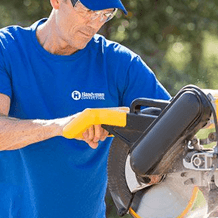
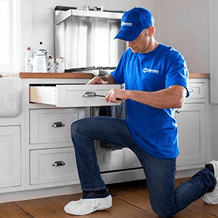
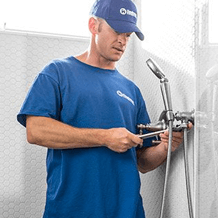
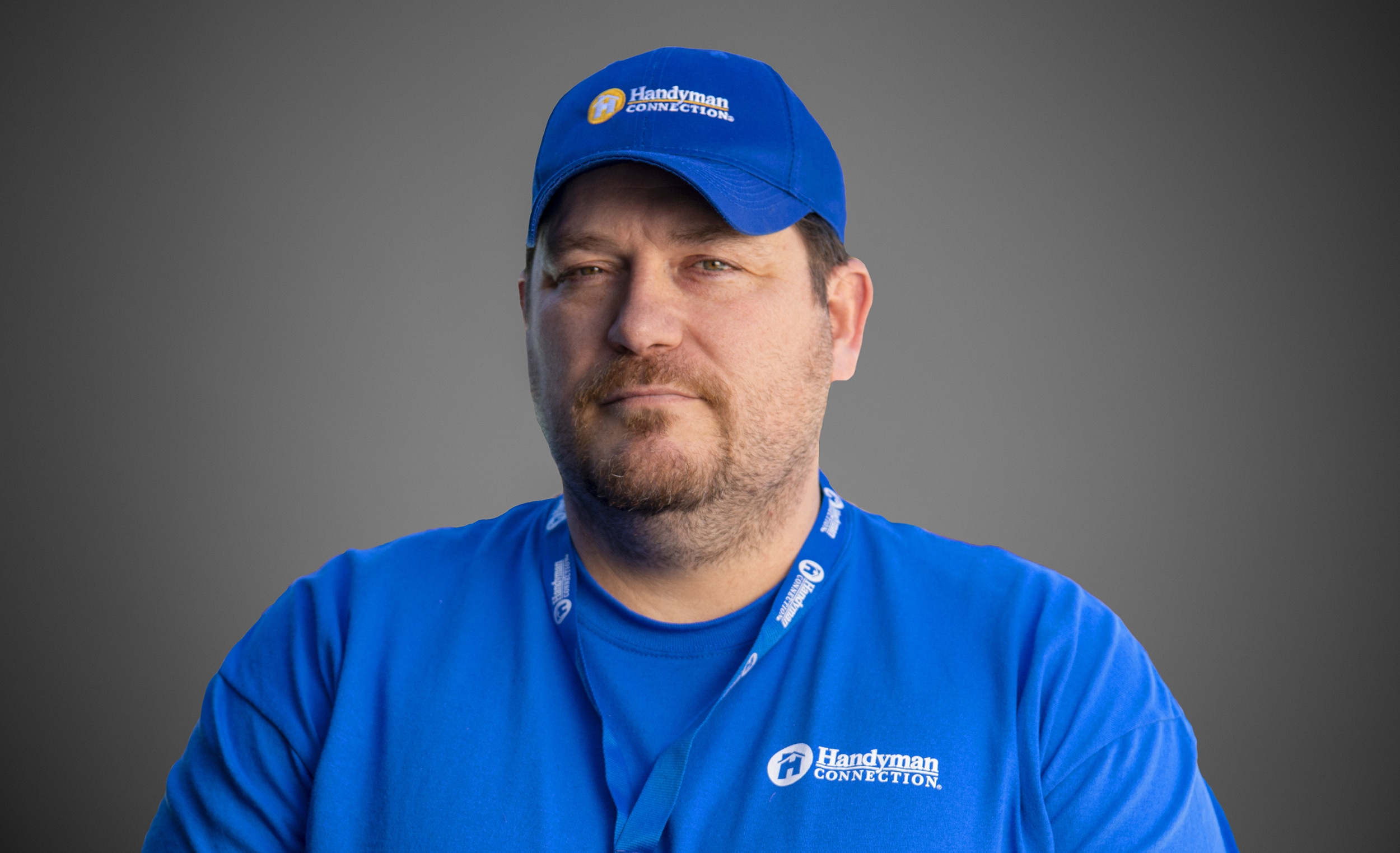
We are excited to announce that a long time Master Craftsman of our business is now the proud new owner; please join us in congratulating Earl Swader as the new owner of Handyman Connection of Blue Ash. Earl has previous business ownership already under his belt and is looking forward to continuing to serve the Blue Ash community as the proud owner.
Plumbing / February 18, 2026

A blocked toilet has a special talent for happening at the worst possible time—just before guests arrive, first thing in the morning, or when you’re already juggling ten other problems. And while it’s tempting to treat it like a quick DIY job, not every blockage behaves the same way. Some clear in minutes; others sit deeper in the pipework and come right back, often with messier consequences.
The good news is that expert assistance can be far faster (and cleaner) than trial-and-error fixes. A trained plumber or drainage specialist typically arrives with the right tools, isolates the cause quickly, and clears the blockage without guesswork—often in a single visit. If you’re dealing with repeated issues, slow flushing, or overflow risk, getting targeted support early can prevent a minor inconvenience from turning into damage. In areas where older pipework and shared drainage runs are common, seeking local, contextual advice—like this guide to toilet unblocking help in Essex—can also clarify what’s likely happening and what a professional will check first.
So what exactly makes expert help “quick,” and when should you stop plunging and start calling?
Most people assume a blockage is simply “too much toilet paper.” Sometimes it is. But many stubborn blockages have less obvious causes—and that’s where time gets wasted if you treat every problem the same way.
Toilet paper is designed to break down, but it can still cause trouble when:
Wipes, sanitary products, cotton buds, and dental floss are a bigger issue. Even products labelled “flushable” often don’t disperse the way paper does, and they can snag on pipe joints or rough internal surfaces.
In many homes, the blockage isn’t in the toilet itself—it’s further along the soil pipe or even in the shared drain outside. Common hidden factors include:
This is why a toilet can appear to unblock, only to clog again a day later. The underlying restriction never left.
The speed advantage of a professional isn’t magic—it’s process. An experienced specialist tends to diagnose first, then use the right method immediately, rather than escalating through random home remedies.
A few quick questions often narrow it down:
That pattern recognition matters. It helps the expert decide whether they’re dealing with a local blockage (close to the pan) or a line restriction further out.
A professional might use:
The key point: the tool matches the blockage. Compare that to DIY attempts where a wire hanger scratches the bowl, chemicals degrade seals, or excessive plunging forces water into places it shouldn’t go.
You don’t need to call for help every time the flush looks sluggish. But you do want to recognize the “don’t push it” moments.
If there’s no overflow and the toilet is draining slowly, a basic plunger (with a proper flange) can be effective. Warm water and dish soap can sometimes help loosen organic matter, especially if the blockage is soft and recent. Beyond that, the returns diminish quickly.
Here’s the one rule most homeowners wish they’d followed: if the water level is rising or the blockage keeps returning, stop experimenting.
If you notice any of the following, expert help is usually the fastest route overall:
Those signs often indicate a line restriction or drainage issue that won’t be solved with another round of plunging.
People sometimes hesitate to call because they imagine hours of disruption or major dismantling. In reality, many toilet blockages are resolved quickly and with minimal mess—especially when addressed early.
A typical professional approach looks like this:
If a CCTV inspection is warranted, it’s usually because the blockage pattern suggests scale build-up, pipe deformation, root ingress, or a recurring snag point.
Time is money in plumbing, but it’s also risk. The longer you wait, the more likely you are to face:
In practical terms, a same-day fix is often less costly than an emergency callout after a spill.
Prevention doesn’t require a new routine—just a few realistic habits.
Use paper sensibly, avoid flushing anything that isn’t waste or toilet paper, and be cautious with “flushable” claims. If your home has older plumbing, it’s also worth paying attention to early signals like slower flush performance or occasional gurgling. Those are often the first hints of narrowing pipes or drainage restrictions.
And if blockages repeat, don’t settle for “it happens sometimes.” Toilets are simple systems; repeat failures usually mean there’s a consistent reason. Expert assistance isn’t just about clearing the immediate problem—it’s about identifying the cause so you’re not dealing with the same panic next week.
11115 Kenwood Rd.
Blue Ash, OH 45242

© Handyman Connection 2026 | Privacy Policy

 (513) 771-3950