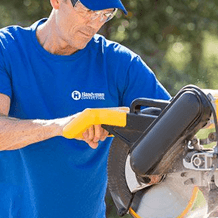
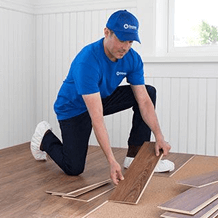
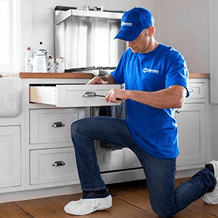
We are excited to announce that a long time Master Craftsman of our business is now the proud new owner; please join us in congratulating Earl Swader as the new owner of Handyman Connection of Blue Ash. Earl has previous business ownership already under his belt and is looking forward to continuing to serve the Blue Ash community as the proud owner.

Outdoors / March 12, 2026

Atlanta homeowners often wonder why wildlife keeps finding its way indoors, and the answer is usually hidden in small, overlooked gaps. Humidity, aging wood, and loose vents make these openings grow quickly, giving animals easy access.
Many of these weak spots appear harmless at first, but they can turn into major entry points during seasonal shifts. This article explains where animals commonly enter, how to strengthen vulnerable areas, and what steps help keep your home protected year-round. It helps you plan repairs confidently.
A good inspection makes the rest of the work easier because it reveals gaps before animals exploit them. Walk slowly around your home and examine places where wood has worn down or vents have loosened.
If you discover signs of recent activity, pause before sealing anything so animals aren’t trapped inside. This prevents bigger problems later, especially when nesting has already begun.
There are a few quick signs that help you decide where to focus first:
Soffits and fascia are common entry points because Atlanta’s humidity causes boards to swell and loosen. If you spot rotted or warped areas, replace the damaged sections so animals can’t pry them open again. Reinforcing vulnerable corners with exterior-rated caulk and secure fasteners helps keep the space airtight and reliably protected.
When you work on these repairs, check that everything sits flush with the surrounding wood. Small openings often widen over time, especially after a few rainy weeks. That’s why taking the time to tighten or replace aging boards makes a noticeable difference for long-term durability.
Gable and roof vents often develop gaps when screens rust or pull away from the frame. The safest approach is to remove loose screens and install new metal mesh that fits snugly behind the vent cover. Metal mesh is better than plastic because it resists pressure from squirrels and other climbers.
If you notice droppings or disturbed insulation around a vent, confirm that no animals are still nesting inside. This is often the moment when homeowners choose to use professional help, and relying on Wildlife Control can ensure animals are removed before sealing up the structure.
Chimneys attract raccoons, especially when temperatures shift. A durable chimney cap with a tight-fitting skirt stops climbers from entering, and it keeps leaves and debris from falling into the flue. Always shine a light up the flue before installation so you don’t cover an active space.
Crawlspaces are another concern because moisture draws animals in. Encapsulation helps reduce humidity and protects the structure, but even without a full system, sealing foundation vents and tightening the access door prevents unwanted visitors.
You will also want to review weak spots around doors and garages. Before repairs begin, look for the following:
Safety is essential because sealing wildlife entry points often requires ladders or tools near wiring. Always stabilize your ladder on firm, dry ground and avoid leaning too far to either side. Many Atlanta homes have uneven soil after heavy rain, so double-check the angle before climbing to prevent sudden shifts.
Electrical areas deserve extra caution because older homes sometimes have shallow exterior boxes. Turn off the power to the section you’re working on when sealing around outlets or light fixtures. This simple step reduces risk and helps you work more confidently while staying focused.
Long-term prevention comes from consistent home maintenance and upkeep. Inspecting the same trouble spots every few months allows you to catch problems early and prevent recurring surprises. Materials expand and contract with seasonal changes, so even well-sealed areas should be checked after storms or long stretches of humidity, especially during unpredictable weather.
If you hear scratching, smell strong odors, or see signs of recent nesting, avoid sealing until the space is cleared properly. Professionals can handle removal and repair, especially when the situation calls for experience instead of risky trial and error.
Protecting your Atlanta home from wildlife can feel overwhelming at first, but each small fix builds real, lasting security. Understanding how animals slip in and reinforcing those weak spots puts you firmly in control.
If you need support confirming activity or repairing an entry point that feels too risky, Peachtree Pest Control has specialists ready to help. When you’re finished reading, feel free to explore more home care topics or ask questions on our blog so you can keep your home safe year-round.

11115 Kenwood Rd.
Blue Ash, OH 45242

© Handyman Connection 2026 | Privacy Policy

 (513) 771-3950