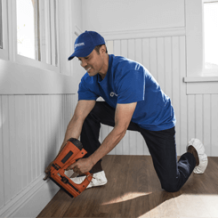
We are excited to announce that a long time Master Craftsman of our business is now the proud new owner; please join us in congratulating Earl Swader as the new owner of Handyman Connection of Blue Ash. Earl has previous business ownership already under his belt and is looking forward to continuing to serve the Blue Ash community as the proud owner.

Maintenance / April 27, 2026

Owning a home comes with both rewards and responsibilities. A well-maintained property not only looks appealing but also retains its value, functions more efficiently, and helps prevent expensive repairs in the future. Yet for many homeowners, it can be difficult to know where to start. With so many systems to monitor, from plumbing and electrical to roofing and flooring, home maintenance can feel overwhelming.
The good news is that effective home care does not always require major renovations or large investments. Consistent attention to small repairs, preventative upkeep, and thoughtful improvements can make a substantial difference over time. Whether you are maintaining an older property, planning remodeling upgrades, or simply trying to avoid unexpected issues, understanding the basics of home care is essential.
One of the most effective ways to stay organized is by visually planning maintenance schedules and project priorities. Many homeowners use tools such as an infographic to map seasonal tasks, compare remodeling budgets, or simplify repair checklists, making complex information easier to manage and apply.
Preventative maintenance is often the simplest and most affordable way to protect your home. Minor issues can quickly turn into costly problems if ignored. A leaking faucet may seem insignificant today, but over time it can waste water, increase utility costs, and lead to cabinet or flooring damage. Likewise, clogged gutters can contribute to roof deterioration or foundation issues if not addressed.
A strong maintenance routine should include inspecting roofing for damaged shingles, cleaning gutters and downspouts, checking caulking around windows and doors, replacing HVAC filters regularly, and testing smoke and carbon monoxide detectors. These tasks may seem routine, but they are the foundation of long-term property care.
Seasonal maintenance is particularly important. In spring, homeowners often focus on exterior inspections, landscaping, and checking for winter damage. Summer may be ideal for outdoor repairs, painting, and deck maintenance. Fall is the time to prepare heating systems and weatherproof the home, while winter often requires attention to insulation, pipes, and indoor safety.
Breaking these tasks into manageable seasonal checklists makes the process far less intimidating.
Some repairs should never be postponed. Structural damage, electrical concerns, plumbing leaks, or signs of mold require prompt attention. Delaying critical repairs often increases both the scope and cost of the problem.
For example, cracks in drywall might appear cosmetic, but they can sometimes indicate shifting foundations or moisture intrusion. Slow drains may point to larger plumbing blockages. Even small roof leaks can lead to insulation damage, rot, or interior staining.
Recognizing warning signs early can help homeowners avoid emergencies. Watch for unusual odors, rising utility bills, water stains, flickering lights, or doors and windows that no longer close properly. These can all signal underlying issues worth investigating.
In many cases, bringing in a professional for an assessment can prevent expensive surprises later.
Many homeowners enjoy tackling repairs themselves, and for smaller projects, that can be practical and cost-effective. Painting, replacing fixtures, patching minor wall damage, or installing shelving are often manageable DIY improvements.
However, knowing when to call a professional is just as important.
Electrical work, major plumbing repairs, structural modifications, roofing issues, and extensive remodeling often require expertise, permits, or specialized tools. Attempting these without proper knowledge can create safety risks or lead to more expensive corrections.
A good rule is to assess a project based on complexity, safety, and potential consequences. If mistakes could damage the property or put occupants at risk, professional help is usually the smarter choice.
Homeowners often save money not by doing everything themselves, but by making informed decisions about what to handle personally and what to outsource.
Successful remodeling is not only about aesthetics. The best renovations improve function, efficiency, and comfort while addressing practical needs.
Kitchen remodels, for instance, should consider workflow, storage, lighting, and appliance placement not just finishes. Bathroom upgrades may improve water efficiency, accessibility, or ventilation while enhancing appearance.
Even smaller remodeling projects can deliver strong returns when they solve everyday frustrations. Adding storage solutions, upgrading outdated fixtures, improving insulation, or modernizing lighting can significantly improve daily living.
Before beginning any remodel, define clear goals:
Clear priorities help guide decisions and prevent budget overruns.
It is also wise to separate “must-haves” from “nice-to-haves.” That approach helps control costs while ensuring important improvements stay on track.
Not every improvement needs to be large-scale. Some of the most effective upgrades are relatively simple.
Energy-efficient windows can lower heating and cooling costs. Updated insulation improves comfort year-round. Modern lighting can change the feel of a room while reducing electricity use. Replacing worn flooring can improve both appearance and functionality.
Curb appeal projects also offer strong value. Exterior paint touch-ups, improved landscaping, updated entry doors, and deck repairs can dramatically improve a property’s first impression.
These upgrades often provide benefits beyond appearance they can contribute to safety, efficiency, and long-term property value.
For homeowners with limited budgets, prioritizing high-impact projects often produces better results than attempting many smaller cosmetic changes.
One of the biggest mistakes homeowners make is underestimating costs. Even simple repairs can uncover hidden issues once work begins.
That is why realistic budgeting matters.
A practical approach includes:
Many experts recommend setting aside a home maintenance reserve annually to cover routine repairs and unexpected issues.
This creates flexibility when problems arise and reduces the likelihood of delaying important work due to financial strain.
For remodeling projects, detailed planning upfront often saves significantly more than trying to adjust mid-project.
Home maintenance is not only about preserving property it is also about protecting the people who live there.
Safety-related updates are often overlooked until something goes wrong.
Important areas to review include:
Older homes may especially benefit from safety-focused upgrades.
These improvements may not feel as exciting as remodeling a kitchen, but they often provide some of the greatest long-term value.
The most successful homeowners rarely treat maintenance as a once-a-year project. Instead, they view home care as an ongoing process.
Small monthly check-ins can prevent major problems. Quarterly inspections can catch wear before it worsens. Annual reviews help identify larger projects to plan for.
This mindset reduces stress because maintenance becomes part of routine ownership rather than a reaction to emergencies.
It also helps homeowners make smarter decisions over time. Rather than waiting for systems to fail, they can plan repairs and improvements proactively.
That approach is usually less expensive, less disruptive, and more effective.
Home maintenance, repairs, and remodeling do not have to be overwhelming. With a preventative mindset, realistic planning, and attention to both function and safety, homeowners can protect their investment while creating more comfortable living spaces.
The key is consistency. Address small repairs early, prioritize improvements that solve real problems, and approach remodeling with clear goals rather than impulse decisions.
Whether you are managing routine upkeep, planning upgrades, or deciding when to call a professional, thoughtful maintenance habits can save money, reduce stress, and extend the life of your home for years to come.

11115 Kenwood Rd.
Blue Ash, OH 45242

© Handyman Connection 2026 | Privacy Policy

 (513) 771-3950