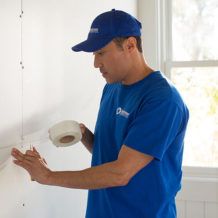
We are excited to announce that a long time Master Craftsman of our business is now the proud new owner; please join us in congratulating Earl Swader as the new owner of Handyman Connection of Blue Ash. Earl has previous business ownership already under his belt and is looking forward to continuing to serve the Blue Ash community as the proud owner.

Repairs / February 27, 2026

Home emergency preparedness stops being a theoretical idea the moment a real disaster hits. In those first hours, every decision matters. You may face blocked roads, structural damage, power outages, and serious safety risks, which makes returning home both difficult and dangerous. On top of that, uncertainty about what to do next adds another layer of stress. That’s exactly why a clear, structured plan makes such a difference.
Instead of reacting blindly, you can rely on preparation. This guide walks you through the essential components of a strong plan, including a practical home emergency preparedness checklist and a comprehensive home emergency preparedness list designed to protect your family and property. You’ll also learn which immediate actions actually work during a crisis, how to assess damage safely, and which rebuilding strategies help you move forward with confidence. To make things easier, we’ve included practical frameworks and a home emergency preparedness plan template so you can build a clear, actionable roadmap to recovery.
Witnessing damage to your property triggers more than financial concern. Research shows that people who experience residential damage due to flooding or other disasters suffer negative mental health effects both during and after the event. Stress shows up in multiple ways: exhaustion from fighting to keep belongings dry, anxiety about finances, and confusion navigating insurance paperwork. One study participant noted that residents experienced 11 days of flooding where they were trapped in their homes, fighting day and night.
The psychological dimension runs deeper than most anticipate. Losing your home from fire or other disasters affects your sense of self. Home serves as an extension of your psyche beyond just physical shelter. This fragmentation creates feelings of fear, isolation, and uncertainty that persist long after the original emergency passes. You may experience difficulty sleeping, irritability, or strained relationships with family members. Recognizing these reactions as normal responses helps you seek appropriate support when needed.
Recovery requires structure when everything feels chaotic. File your insurance claim first. Funds from government agencies aren’t calculated until insurance claims are adjusted. FEMA can help pay for repairs needed to make your home safe and habitable if your home sits in a declared disaster area and you meet eligibility requirements, with a maximum amount of $42,500 for Fiscal Year 2024.
Document all damages really well before cleanup begins. Take photos, create detailed lists of losses, and keep receipts for all disaster-caused expenses. This documentation supports your insurance claims and qualifies you for assistance programs. Set priorities by tackling tasks in small steps rather than facing the entire rebuild at once.
When a disaster leaves behind widespread destruction or serious health risks, you should bring in professionals immediately. Fire and flood damage rarely stop at what you can see. Water intrusion can trigger mold growth if you fail to dry and treat surfaces correctly, while fire damage often affects structural components and may expose hazardous materials such as asbestos. In moments like these, many homeowners start searching for “fire damage cleanup near me” because they realize the scope of the problem goes far beyond surface repairs.
After a fire, the emotional shock can feel just as heavy as the physical damage. Smoke seeps into walls, insulation, and electrical systems, and weakened structures may no longer support normal use. Restoration specialists assess structural integrity, repair compromised wiring, and handle specialized mold remediation in ways that DIY efforts simply cannot match safely. If you notice extensive water intrusion, significant structural damage, or signs of hazardous materials, act quickly. Fast professional intervention helps prevent secondary damage, including mold growth that can develop within 24 to 48 hours after a fire or flood.
Protecting lives becomes your immediate priority. Check for injuries and call 911 if anyone needs medical attention. Authorities must declare your home safe before you re-enter. Residents have less than 2 minutes to escape a home fire once the smoke alarm sounds.
Watch for electrical hazards like downed power lines and exposed wires. Standing water may carry electrical charges. Stay at least 30 feet away from all downed power lines. Flooded areas where electrical appliances remain powered should be avoided. Check for gas leaks by smell and evacuate right away if you detect any.
Call 911 for life-threatening emergencies such as active fires, medical crises, or sparking downed power lines. Use designated local numbers for non-emergency situations after the storm passes. Contact your insurance company right away to report the claim. Ask about specific documentation requirements and whether they’ll send an adjuster. Note your claim number and maintain records of all communication.
Take clear, high-resolution photos of all damaged property from multiple angles. Capture wide shots for context and close-ups for specific damage. Use timestamp features if available. Record video while panning through affected areas. Create a written inventory that describes every damaged item, including brand, model, age, and estimated value. Keep damaged items available for inspection until your adjuster approves disposal.
Take reasonable steps to prevent additional damage. Cover broken windows with plywood or plastic sheeting. Place tarps over damaged roof sections. Shut off utilities if there’s risk of fire or flooding. Save all receipts for emergency materials and temporary repairs, as your policy may reimburse these expenses.
Return to your property only after local authorities confirm safe reentry. Walk around the exterior first and inspect for loose power lines, broken gas lines, foundation cracks, or missing support beams before entering. Damage visible outside often indicates serious problems inside. Request inspection by a qualified building inspector or structural engineer before entry if you notice most important structural issues.
Watch for sagging ceilings, which indicate water accumulation and collapse risk. Sagging floors could give way under your weight. Avoid forcing jammed doors, as they may provide structural support. Tap loudly on floors with a stick to alert any animals that entered during the disaster. Use flashlights rather than open flames when you inspect.
Inspect your electrical system if you see sparks, broken wires, or smell hot insulation. Turn off electricity at the main circuit breaker. A tripped breaker may signal damaged wiring inside your home. Avoid using sinks, showers, or toilets if sewage lines appear damaged. Turn off water at the main valve if pipes are broken. Open windows and leave right away if you smell gas or hear hissing with gas systems. Only professionals should turn gas back on after shutdown.
Your insurance company assigns an adjuster to assess damage and determine your settlement amount. The adjuster inspects your property, reviews repair estimates, and recommends how much you’ll receive for repairs. Settlement comes as either replacement cost, covering repairs using similar materials at current prices, or actual cash value, based on your home’s age and condition. Actual cash value may not match replacement costs, as materials and labor often exceed depreciated value.
Your servicer releases settlement funds in portions. You receive an original amount to hire contractors, more money as work progresses, and the remainder once the job finishes and passes inspection. Maintain detailed records of all communication with your adjuster, including dates, times, and discussion summaries. Request written confirmation for any repair approvals.
Professional assessments determine damage severity and appropriate recovery strategies. An inspector evaluating existing conditions can distinguish between cosmetic issues and serious structural damage. Maintain detailed records as your project progresses, including contracts, photographs, and invoices for labor and materials. This documentation proves valuable for future reference and supports insurance claims.
The right contractor determines your rebuild success. Verify licenses, insurance, and bonding before you sign contracts. Request certificates of insurance that show policy numbers and coverage limits. Contact at least three contractors to get written estimates, and compare materials, methods, and timelines. Check ratings with the Better Business Bureau and ask previous customers for references. Local contractors understand area building codes and remain available for future concerns. Review all contracts really well before signing. Make sure they specify scope of work, materials, timelines, and payment schedules.
You should relocate during reconstruction so contractors can work better and complete projects faster. Short-term rentals and extended-stay hotels offer furnished spaces with amenities like kitchens. This reduces restaurant expenses for stays that exceed 30 days. RV rentals provide flexibility and cost savings while keeping you near your property. You can stay with family or friends to eliminate housing costs, but this requires clear communication about expectations and duration. Budget temporary housing as a separate line item, distinct from construction costs.
Allocate an additional 10% to 20% of your total budget for unforeseen expenses. Save all receipts for materials, labor, and temporary housing. These documents support insurance claims and tax deductions. The IRS requires documentation to adjust cost basis on your property, so store records in secure digital locations for at least three years after selling your home. Track contractor payments and change orders to prevent billing disputes.
Focus on high-effect areas like kitchens and bathrooms first. Address the most disruptive work early at the time energy and budgets remain strong. You can break renovations into manageable chunks to prevent overwhelm and make informed decisions without stress. Plan for materials with long lead times and order everything ahead of schedule.
Document unexpected issues with photos and detailed notes right away, including measurements and site conditions. Notify your contractor and design team promptly, and maintain calm communication throughout. Set aside 10% to 20% of your budget as a contingency fund for unforeseen problems like hidden structural damage or material shortages. Regular check-ins with your builder help address emerging issues before they escalate.
Home emergencies test your resilience, but they do not have to paralyze you. When you understand immediate safety steps, damage assessment priorities, and long term rebuilding strategies, you regain control. Clear documentation, smart decision making, and timely support from qualified professionals turn chaos into structured action and steady progress forward.
Your home represents more than walls and a roof; it holds memories, routines, and stability. With proper preparation and a systematic recovery plan, you can protect what matters most and rebuild with intention. Step by step, you create a safer, stronger foundation for whatever comes next in the years ahead.

11115 Kenwood Rd.
Blue Ash, OH 45242

© Handyman Connection 2026 | Privacy Policy

 (513) 771-3950