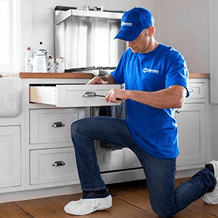
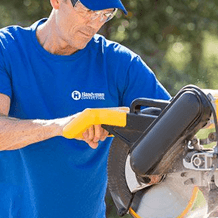
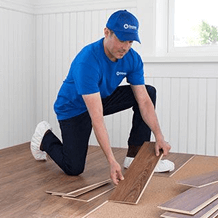
We are excited to announce that a long time Master Craftsman of our business is now the proud new owner; please join us in congratulating Earl Swader as the new owner of Handyman Connection of Blue Ash. Earl has previous business ownership already under his belt and is looking forward to continuing to serve the Blue Ash community as the proud owner.

Aging in Place / November 20, 2025

Every year, millions of adults aged 65 and older experience a fall. The numbers are pretty staggering, with falls leading to more than 3 million emergency department visits annually.
While aging naturally brings on new challenges with mobility and balance, your home shouldn’t be your own personal obstacle course.
The good news is that a significant number of these falls are preventable. With a few thoughtful updates, you can transform your living space into a haven of safety, boosting your confidence and securing your independence for years to come.
This guide will walk you through a room-by-room plan to make your home safer. We’ll cover everything from simple tweaks to smart tech solutions that can make a world of difference.
A fall can lead to serious injuries like broken bones or head trauma, but the impact often goes deeper. The fear of falling again can cause you to limit your activities, leading to less mobility and physical fitness, which ironically can increase your risk of another fall.
Creating a safe home environment is one of the most powerful steps you can take to stay active and independent. When you feel secure in your own space, you’re more likely to move around with confidence.
Let’s cover some universal changes that will improve safety throughout your entire home. Think of these as the foundational elements of a fall-proof house.
First, let there be light. And lots of it. Poor lighting is a major culprit in trips and falls. Go through your home and replace dim bulbs with brighter, higher-wattage LEDs. Consider placing nightlights in hallways, bathrooms, and bedrooms to illuminate paths for those late-night trips to the kitchen.
For an extra layer of safety, motion-activated lights are a fantastic investment for entryways and dark corridors. They light up your way the moment you enter a space.
Next, it’s time to clear the clutter. We all have that one chair that becomes a holding ground for clothes or a stack of magazines that’s been there for weeks. Take a weekend to declutter walkways and remove tripping hazards. This includes securing loose electrical cords along baseboards or using cord organizers.
And those beloved but hazardous throw rugs? It might be time to say goodbye. If you can’t part with them, make sure they have a non-slip backing or secure them firmly with double-sided carpet tape.
Finally, think about stability. Adding handrails to long hallways or installing grab bars in key areas can provide crucial support when you’re feeling a bit unsteady.
Each room presents its own unique set of challenges, but also its own opportunities for simple safety solutions.
The bathroom is statistically one of the most dangerous rooms in the house due to its combination of hard surfaces and water. Making it safer should be your number one priority.
Start by installing grab bars. These aren’t the clinical-looking bars of the past; modern designs are stylish and discreet. Place them inside and outside the shower, as well as next to the toilet. This gives you a sturdy handle to hold onto when standing up, sitting down, or stepping over a tub ledge.
Cover slippery floors with non-slip mats, both inside and outside the shower or tub. If a larger renovation is possible, a walk-in shower with a built-in bench completely eliminates the need to step over a high tub wall. You might also find a raised toilet seat or a toilet with a taller profile makes sitting and standing much easier and safer.
The kitchen is the heart of the home, but it can also be a hotspot for accidents. The goal here is to make everything accessible and keep the floor dry.
Rearrange your cabinets and pantry so that frequently used items like plates, glasses, and common cooking ingredients are on lower, easy-to-reach shelves. This eliminates the need to use a step stool, which can be unstable. Keep a sturdy, wide-based step stool with a handrail available for those rare times you need to reach something on a high shelf.
Floors can get slippery from spills. Clean up any spills immediately and consider using slip-resistant flooring or mats in front of the sink and stove. Good lighting is also critical here, especially over countertops where you’re chopping and preparing food.
Your bedroom should be a sanctuary, not a source of stress. Keep the path from your bed to the door completely clear. This means no shoes, books, or stray items left on the floor, especially at night. A nightlight can guide your way if you need to get up.
The height of your bed matters. Your feet should be able to touch the floor flat when you’re sitting on the edge of the mattress. If your bed is too high, you might consider a lower frame. If it’s too low, bed risers can bring it to a more comfortable and safe height. Also, ensure you have a sturdy nightstand with a lamp that’s easy to reach and turn on from bed.
Stairs are a known fall risk, but you can make them much safer. Make sure you have sturdy handrails on both sides of the staircase. If you only have one, it’s worth the investment to add a second.
Improve visibility by ensuring the stairway is brightly lit from top to bottom. You can install light switches at both ends for convenience. For an extra measure of security, apply non-slip treads to each step. These provide extra grip and can be a real game-changer, especially if you have wooden stairs. In a pinch, a stairlift might be the add you need for independence.
The living room is where you relax, so let’s make it comfortable and safe. Arrange furniture to create wide, clear pathways. Avoid placing coffee tables too close to sofas or chairs.
Secure area rugs with non-slip pads or tape to prevent them from bunching up or sliding. Tame the “cord spaghetti” from your TV, lamps, and other electronics. Use cord concealers or run them along the walls to keep them out of walkways.
Technology offers some fantastic tools for enhancing home safety. Fall-detection systems, often worn as a pendant or wristband, can automatically alert emergency services or family members if a fall occurs.
Motion-sensor lights, as mentioned earlier, are an easy and affordable upgrade. Voice-activated assistants like Amazon Alexa or Google Home can also play a role. You can use them to turn lights on and off or make a call for help without having to reach for a phone.
Making your home safer doesn’t have to be an overwhelming project. Start small. Pick one room or even just one task, like decluttering your main walkway or installing a nightlight. Each small change you make significantly reduces your risk of a fall and contributes to a greater sense of security.
Assess your home today and identify a few areas for improvement. Whether you tackle these projects yourself or hire a professional, taking action is the most important part.
Your independence is worth protecting, and a safer home is the perfect place to start.

11115 Kenwood Rd.
Blue Ash, OH 45242

© Handyman Connection 2026 | Privacy Policy

 (513) 771-3950