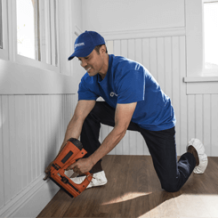
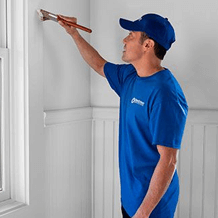
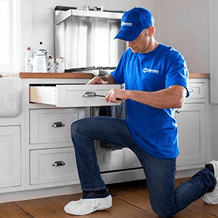
We are excited to announce that a long time Master Craftsman of our business is now the proud new owner; please join us in congratulating Earl Swader as the new owner of Handyman Connection of Blue Ash. Earl has previous business ownership already under his belt and is looking forward to continuing to serve the Blue Ash community as the proud owner.

Home Maintenance / January 1, 2026

Most entryways turn into a daily drop zone for keys, mail, sunglasses, and whatever else you’re carrying in. The fix isn’t complicated, but it does take a simple system you can repeat. Start with a slim entryway table that gives you a dedicated landing spot, then add the right containers and a quick reset routine so clutter doesn’t creep back in.
In this guide, you’ll learn how to choose a functional table, decide what belongs in the space, and build storage layers (trays, baskets, hooks, and shelves) that keep your entryway tidy and welcoming.
• Pick a table with drawers or a lower shelf so essentials don’t live on the surface.
• Create parking spots for keys, mail, and sunglasses using trays, bowls, or small bins.
• Use wall hooks or a small shelf above the table to keep gear off the tabletop.
A functional entryway setup starts with the right table. Look for a console that includes built-in drawers or a lower shelf. Those features give you places to tuck away the everyday mess without making the top look crowded.
If you prefer pieces that balance clean design with practical storage, look for an entryway console with drawers or shelves that can handle high-traffic use.
Concealed storage is what keeps the system from falling apart. Use drawers to separate categories (one for mail, one for chargers, one for gloves or dog-walk gear). When everything has a home, you spend less time searching and more time moving.
A lower shelf is perfect for baskets or bins. It’s an easy place to hide seasonal items while still keeping them within reach.
Size matters, especially in hallways. A narrow depth (about 12 to 16 inches) usually fits comfortably without pinching the walking path. Before you buy, measure the available wall length and confirm you still have enough clearance to pass by easily.
Choose materials and finishes that can handle daily use. Solid wood and durable veneers hold up well, and a wipeable finish is a big help when the entryway sees wet gloves, snow boots, or muddy paws.
Finish the station with a few everyday accessories: a small tray for loose items, a bowl for keys, and a simple hook nearby for bags. Keep it minimal so the table stays useful, not decorative clutter.
These practical elements support your routine on busy mornings and make it easier to reset the space when you get home.
Once your table and accessories are set, the next step is deciding what truly belongs in this space so it doesn’t become a catch-all again.
A tidy entryway starts with being selective. The tabletop should only hold items you use every single day, such as keys, a wallet, sunglasses, and incoming mail.
Give each essential item a dedicated parking spot. A tray or small bowl keeps keys from wandering. A letter holder or small bin prevents mail from stacking into a pile.
Think of the entryway like a mini command center. Fewer items on the surface means fewer distractions and fewer last-minute searches when you’re heading out the door.
Do a quick weekly check to remove anything that doesn’t belong. Small habits (dropping receipts, earbuds, or random papers) can quietly break your system over time.
“Your entryway should work like a landing strip—simple, repeatable, and easy to reset.” — Todd Harmon, founder and curator at AURA Modern Home (AURA)
Choose containers that match your style and your routine. A ceramic bowl can look great while keeping small items contained, and a tray can visually frame the essentials so they don’t spread across the surface.
With the basics defined, smart storage choices can make your setup even easier to maintain.
Great entryway organization comes from using the right containers, not from adding more surface space. The best tools keep items easy to find, but contained enough to look tidy.
Woven baskets add warmth and texture while hiding bulkier items like gloves, beanies, or dog leashes. They’re especially useful on a lower shelf.
Trays are ideal for keys, sunglasses, and loose change. A tray with raised edges keeps small items corralled and makes the whole tabletop feel intentional.
Choose tray materials that match your space (wood, metal, or stone-look finishes). When the organizer looks like decor, it’s easier to keep the system in place.
Small bins or a letter holder help manage mail, magazines, and school papers. If you’re short on space, stackable bins help you use vertical height without creating piles.
Clear bins can also help on busy mornings because you can see what’s inside without digging through stacks.
| Type of Storage | Ideal For | Pros |
| Woven Baskets | Scarves, Gloves | Adds warmth and texture; spacious |
| Trays | Keys, Sunglasses | Keeps items visible; stylish |
| Small Bins | Mail, Magazines | Contains clutter; stackable |
One simple trick is mixing materials: pair a wood console with woven baskets or metal trays to add contrast without adding clutter.
When you’re choosing furniture for this station, prioritize a stable surface, easy-to-clean materials, and storage that matches what you actually drop off each day.
When storage feels built-in (not improvised), the entryway stays cleaner with less effort. Next, let’s look at how to keep decor from competing with function.
Entryways look best when they’re useful first and decorative second. If the tabletop is packed with decor, you’ll lose the space you actually need for everyday essentials.
It’s easy to over-style an entryway table with frames, vases, and ornaments. The problem is that every extra item becomes something you have to move around when you’re trying to drop your keys or sort the mail.
Instead, curate a few pieces that earn their place. Choose one statement item (a lamp or a plant) and pair it with organizers that also look intentional (a tray, bowl, or letter holder).
This approach keeps the surface calm and makes the routine effortless. When your eye can rest on the setup, the whole entry feels more welcoming.
A simple lamp is a good example of form and function working together. It adds warmth and makes evening arrivals feel inviting, while still leaving room for the essentials.
Finally, let the table do some of the heavy lifting. Drawers and a lower shelf are ideal for items you want close by but don’t want on display.
| Decor Element | Functional Equivalent | Benefit |
| Vase / Plant | Key bowl or small tray | Adds color/texture and organizes small items |
| Framed Photo | Dual-purpose clock | Personal touch combined with practicality |
| Sculpture / Ornament | Table lamp | Artistic focus plus soft ambient light |
Use the table below as a quick guide for choosing decor that supports function, not clutter.
Don’t stop at the tabletop. The wall above and around your entryway is valuable storage space that can keep daily items off the surface.
Wall hooks, a small floating shelf, or a wall-mounted organizer can hold bags, leashes, hats, and sunglasses where you can grab them quickly.
Set the layout based on how your household actually uses the space. Group hooks at different heights so kids can hang backpacks while adults hang coats or purses.
For small items, a wall pocket or basket makes it easy to see what you need without digging through drawers. A narrow shelf can also hold a mail sorter or a small plant without taking over the table.
To keep the wall from looking busy, mix one solid element (a shelf) with a few open hooks. That balance keeps bulky items secure and lighter items easy to access.
Try to align wall storage with your tabletop zones. For example, hang keys on hooks directly above a tray, or place a mail holder above the bin where you sort papers.
These vertical storage layers reduce clutter, improve traffic flow, and make the entryway feel more put together.
With the wall and tabletop working together, the last piece is a simple routine that keeps the system from drifting back into clutter.
Keeping an entryway organized comes down to consistent clutter control. If you reset the space in small steps, it stays welcoming instead of becoming a pile of stuff.
Aim for a quick daily reset rather than an occasional deep clean. Even two minutes at the end of the day can prevent a messy buildup.
To make the habit stick, set up simple drop zones and follow a short routine:
• Daily reset: put keys back, toss junk mail, and return stray items to their homes.
• Designated drop zones: use a tray or bowl for small items and a bin or holder for mail.
• Weekly purge: file papers, wipe the surface, and rotate seasonal items into baskets or drawers.
Think of it like routine maintenance: a little daily effort keeps the whole space working, and you avoid the big cleanup later.
Once the routine is in place, you can tailor the details to your household so the entryway works for real life.
Every household uses the front door differently, so your setup should match your routine. Families may need baskets for backpacks and a spot for shoes, while a smaller household might prioritize a charging station and a clean tabletop.
Small custom touches can improve follow-through. Labeled hooks, a dedicated leash spot, or a mail bin that fits your daily flow makes it easier for everyone to use the system the same way.
If you’re styling the space, keep utility in mind. Limit decor to a few pieces and leave enough open surface so you can set down keys and sort the mail without moving things around.
Assign a place for each person’s daily gear whenever possible. When everyone has a predictable spot, the entryway stays organized without constant reminders.
With a few smart choices and a simple reset routine, an entryway table becomes more than a surface—it becomes a reliable station that makes arriving and leaving easier.
A well-organized entryway doesn’t require perfection. It requires a clear system, the right storage layers, and a habit you can stick with.
If you want an entryway that stays organized, small upgrades can make a big difference. A handyman can help you install wall hooks, floating shelves, coat racks, or custom organizers securely and in the right location for your traffic flow.
Handyman Connection professionals can also help with minor carpentry and repairs that support an entryway reset, such as mounting hardware into studs, patching drywall, adjusting trim, or adding storage features that fit your space.
• Need help installing hooks, shelves, or a wall organizer? A pro can make sure everything is level, secure, and placed at the right height.
• Want a more built-in look? Ask about simple entryway upgrades that improve storage without a full remodel.
When you’re ready, reach out to your local Handyman Connection to discuss your entryway goals and get an estimate.

11115 Kenwood Rd.
Blue Ash, OH 45242

© Handyman Connection 2026 | Privacy Policy

 (513) 771-3950