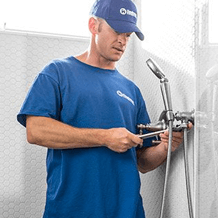
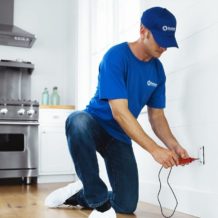
We are excited to announce that a long time Master Craftsman of our business is now the proud new owner; please join us in congratulating Earl Swader as the new owner of Handyman Connection of Blue Ash. Earl has previous business ownership already under his belt and is looking forward to continuing to serve the Blue Ash community as the proud owner.

Plumbing / November 17, 2025

Rising utility costs push many homeowners to rethink how they use energy and water. Small changes can create meaningful results. A few upgrades can make a home smoother, quieter, and easier to manage. The process does not need stress or big investments. Start simple. Start with habits that support comfort and efficiency.
Many affordable solutions exist today. Some upgrades take minutes. Others take an afternoon. Each one creates progress toward a home that saves resources and supports a healthier environment. The idea builds confidence and momentum. Once the first change shows value, the next step feels natural and rewarding.
Lighting plays a large role in home energy use, and older bulbs waste power and heat. LED bulbs solve this with lower energy draw and a long lifespan. Many homeowners see lower bills within the first month after switching. LEDs turn on instantly, and the brightness stays consistent.
Smart lighting creates even better results. Timers help reduce energy waste in hallways, bathrooms, and outdoor spaces. Motion sensors turn lights off when a room is empty. A dimmer can set a softer tone at night and reduce electricity use further.
Water heating uses energy, so every gallon matters. Low-flow fixtures help manage use without changing routines. A showerhead with efficient flow still delivers strong pressure. A simple aerator on a faucet creates a smooth stream while reducing output. These changes support efficiency and feel easy to maintain.
Leaks create another layer of waste. A slow drip may seem minor, yet it allows heated water to escape day after day. During larger repairs or system troubleshooting, the team at Gundlach’s Service may uncover deeper plumbing inefficiencies that homeowners miss, especially inside walls or around aging fixtures. Insights like these help guide smarter long-term improvements.
Do a quick meter check. Turn off all water, then watch the dial. Movement signals a leak somewhere in the system. Replace worn washers or loose fittings and upgrade outdated fixtures when possible. Small improvements build momentum toward a more efficient home.
Every mechanical system works harder when dust, debris, or mineral buildup blocks airflow or water flow. Routine maintenance helps the equipment work smoothly and reduces energy demand. A clean filter keeps air moving without strain. A flushed water heater removes sediment and supports stable temperature output.
Listen to the equipment. Loud cycling or slow heating signals a change in performance. A quick check can prevent larger issues later and protect the lifespan of the system.
Add insulation to exposed hot water pipes if possible. Warm water reaches faucets faster and reduces waste while waiting for heat. Simple seasonal maintenance keeps essential systems running efficiently and supports a more comfortable home environment.
Drafts make a home harder to heat or cool, and small gaps let conditioned air slip away. Weatherproofing helps solve this issue with simple tools and low-cost materials. Weather-stripping seals door frames, and caulk fills thin cracks around window trim. Window film adds another layer that slows heat transfer during summer and winter.
The process is simple and manageable. A home instantly becomes quieter, and the indoor temperature holds longer after the furnace or air conditioner cycles. Many homeowners report fewer cold spots after sealing a few key entry points.
Check windows and doors on a windy day. Light a stick of incense and move it along the edges. If the smoke shifts, air moves through the frame. Mark the area and seal it later. One afternoon of sealing can make a large difference in comfort and monthly costs.
Climate control affects a large share of home energy use. A programmable thermostat helps manage heating and cooling based on daily patterns. It lowers the temperature when the home sits empty and raises it when people return. A smart model offers finer controls and learns habits over time.
Start simple. Set a weekday schedule, then adjust slowly until comfort and efficiency feel balanced. Even small temperature changes can reduce monthly heating and cooling demand.
Check placement. A thermostat works best when away from windows, vents, or direct sunlight. Correct placement ensures accurate readings and smoother system performance. A clear schedule and a well-positioned thermostat support comfort and lower energy use.
Traditional paint and adhesives release chemicals into the home. These fumes linger and affect air quality long after the project ends. Low-VOC paint offers a cleaner option and still provides strong color and coverage. Many brands now focus on safer formulas, so choosing one feels easy and accessible.
Plan upgrades one room at a time. Start with spaces used daily, like bedrooms or living areas. Ventilate during application and keep windows open until the paint fully cures. Pair low-VOC paint with natural materials like untreated wood, wool rugs or cotton fabrics. Each choice supports a healthier indoor space and a more comfortable living environment.
Sunlight through windows increases heat inside the home and forces cooling systems to work harder. Small shading solutions help manage this effect. Blackout curtains reduce light and heat during peak hours. Reflective window film blocks a portion of UV rays and slows heat transfer.
Pay attention to the warmest rooms. South and west facing windows often collect the strongest afternoon sun. A shade tree or exterior screen can create a cooler space without relying on constant air conditioning.
Test small changes before large ones. Try closing curtains during hot hours, then compare the room temperature. If the difference feels clear, add long-term shading solutions that match the home’s layout and lighting needs.
Small upgrades can create lasting change. The first switch sets the pace and proves the value. Lower bills and a more comfortable environment remind you that progress can feel simple.
Pick one improvement and complete it today. Then watch how the home responds over the next few weeks. Each step builds momentum and confidence. Soon, the house runs smoothly, wastes less, and supports a healthier way of living.

11115 Kenwood Rd.
Blue Ash, OH 45242

© Handyman Connection 2026 | Privacy Policy

 (513) 771-3950