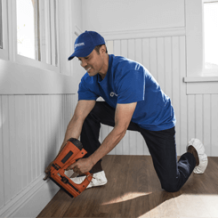
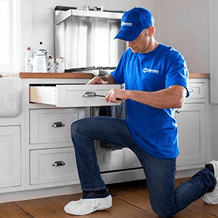
We are excited to announce that a long time Master Craftsman of our business is now the proud new owner; please join us in congratulating Earl Swader as the new owner of Handyman Connection of Blue Ash. Earl has previous business ownership already under his belt and is looking forward to continuing to serve the Blue Ash community as the proud owner.

Remodeling / March 25, 2026

Creating a healthier home supports your fitness goals by turning your living space into a partner rather than an obstacle. Your environment subtly influences every daily decision, from the quality of your sleep to how often you choose water over sugary drinks. Small, intentional changes at home can remove common barriers and help you stay on track without relying solely on willpower.
Many people focus exclusively on gym sessions and strict meal plans but overlook how their physical surroundings impact their long-term behavior. A kitchen filled with processed snacks or a living room that encourages sedentary habits can make reaching your goals feel like an uphill battle. A well-designed home environment reduces friction and makes the healthiest choice the easiest one to make.
Building a supportive atmosphere does not require a complete renovation or a massive financial investment. Simple, thoughtful adjustments can create a dedicated space that encourages daily movement, mindful eating, and restorative rest. The following strategies outline how to design a functional home that naturally aligns with your fitness journey.
Fitness success often depends on using tools that support your specific goals. For some individuals, that includes structured programs, nutrition guidance, or medically supported weight management options. Many people exploring advanced support options choose to get tirzepatide info now as part of a broader plan that includes lifestyle changes and professional guidance.
Combining the right tools with a supportive home environment creates a stronger foundation for long-term success. Those tools work best when they are integrated into daily routines and supported by your surroundings.
Helpful tools and resources may include:
Using the right tools helps reinforce consistency and accountability.
The kitchen plays a central role in supporting fitness goals. A well-organized space makes it easier to prepare balanced meals and avoid impulsive food choices.
Keeping nutritious foods visible and accessible encourages better eating habits. At the same time, reducing the visibility of less healthy options can help limit temptation.
Simple kitchen upgrades to support healthy eating include some of the following elements:
A functional kitchen setup makes healthy choices more convenient.
Having a designated area for exercise can make a significant difference in consistency. Even a small space can become an effective workout zone with the right setup.
A dedicated space removes the need to rearrange furniture or search for equipment each time you want to exercise. That convenience makes it easier to stay committed to regular movement.
Features of an effective home workout space include:
Creating a consistent environment for movement supports long-term habits.
Daily activity goes beyond structured workouts. Small movements throughout the day contribute to overall fitness and energy levels.
Reducing friction makes it easier to stay active without overthinking it. Simple adjustments can encourage more movement as part of your routine.
Ways to reduce barriers to activity include:
Removing obstacles helps turn movement into a natural part of your day.
Consistency is one of the most important factors in achieving fitness goals. A supportive home environment makes it easier to follow through on routines.
Creating predictable patterns helps reinforce habits over time. Repeating small actions daily can lead to meaningful progress.
Effective routine building strategies include:
Structured routines help reduce decision fatigue and improve follow-through.
A healthier home also supports mental well-being, which plays a key role in fitness success. Stress, lack of sleep, and emotional fatigue can all impact motivation and consistency.
Creating a calm and organized environment can improve focus and reduce stress. Small changes can make a noticeable difference in how you feel each day.
Ways to support mental wellness at home include:
A balanced environment supports both physical and mental health.
Creating a healthier home is about aligning your environment with your goals. Small, intentional changes can make it easier to stay consistent without relying on willpower alone.
A supportive home combines practical tools, organized spaces, and sustainable routines. Those elements work together to reinforce positive habits and reduce everyday challenges.
Many individuals enhance their efforts with structured programs and professional guidance. Options like those offered through WeightWatchers, including opportunities to get tirzepatide info now, provide additional support for building lasting, healthy habits within a well-designed home environment.

11115 Kenwood Rd.
Blue Ash, OH 45242

© Handyman Connection 2026 | Privacy Policy

 (513) 771-3950