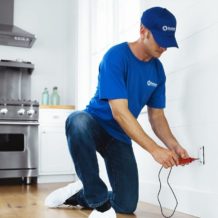
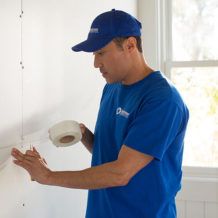
We are excited to announce that a long time Master Craftsman of our business is now the proud new owner; please join us in congratulating Earl Swader as the new owner of Handyman Connection of Blue Ash. Earl has previous business ownership already under his belt and is looking forward to continuing to serve the Blue Ash community as the proud owner.

Installations / August 27, 2025

Insulating a garage is one of the most impactful upgrades homeowners can make for energy efficiency, comfort, and even property value. A properly insulated garage can keep temperatures more stable, reduce energy bills, and provide a more functional space for storage, hobbies, or even a workshop. Many homeowners face a key decision before starting this project: should they tackle insulation themselves or hire a handyman service? These options carry their own advantages, challenges, and costs, and choosing the right path depends largely on personal skills, budget, and long-term goals. By weighing the pros and cons of each approach, homeowners can make a confident and informed choice.
Before deciding between DIY and handyman services, it is crucial to understand what garage insulation entails. Insulating a garage involves selecting the right materials, such as fiberglass batts, foam board, spray foam, or reflective insulation, and ensuring proper installation in walls, ceilings, and sometimes garage doors. The complexity of the job varies depending on the garage type, whether it’s attached or detached, finished or unfinished, and if it already has partial insulation in place. For many homeowners, the decision begins with assessing whether the scope of work matches their personal capabilities or requires professional expertise.
Hiring a handyman or professional service for garage insulation provides expertise and efficiency that DIY projects may lack. When it comes to insulating your garage, handymen are experienced in working with different materials, ensuring proper installation and reducing the likelihood of costly mistakes. They typically bring the right tools and knowledge to address unexpected problems, such as hidden wiring, moisture issues, or uneven framing. Homeowners who value convenience often appreciate how a handyman can complete the job quickly and correctly, freeing them from labor-intensive tasks. While professional services come at a cost, the assurance of quality and time saved often justifies the investment.
Budget plays a major role in deciding between DIY and handyman services for garage insulation. A DIY project usually costs less upfront, since expenses are limited to materials and any necessary tools. Hidden costs may arise if mistakes occur, requiring repairs or professional intervention later. Hiring a handyman includes labor costs but provides greater certainty that the job will be done right the first time. Some homeowners find value in the warranty or guarantees offered by professionals, which add peace of mind but are not necessarily available with DIY. The decision often comes down to weighing immediate savings against long-term security.
For homeowners who enjoy hands-on projects, a DIY approach to garage insulation can be appealing. It allows for complete control over the project, from choosing materials to managing costs and timelines. Many types of insulation, such as fiberglass batts or foam boards, are relatively straightforward to install with the right tools and protective equipment. Home improvement enthusiasts often find satisfaction in completing a task themselves, gaining new skills, and a sense of accomplishment. Beyond personal pride, DIY projects can often be done more affordably than hiring outside help, making them attractive to budget-conscious households.
Despite the potential savings, DIY garage insulation carries risks and difficulties that shouldn’t be overlooked. Working with insulation materials can be physically demanding and sometimes hazardous if proper safety measures aren’t followed. Fiberglass, for example, can irritate the skin, eyes, and lungs if handled without protective gear. Mistakes in installation, such as leaving gaps or compressing insulation, can drastically reduce effectiveness and lead to higher long-term energy costs. There’s the matter of time: what may seem like a weekend project could stretch into weeks if unforeseen challenges arise. For some, the risks and frustrations outweigh the initial savings.
Time is another critical factor that separates DIY and handyman services. For homeowners with busy schedules, finding the time or weekends to dedicate to insulation may be challenging. DIY projects demand research, preparation, purchasing materials, and performing labor, all of which can extend over several days or weeks. A handyman can often complete the entire job within a day or two, depending on the garage size and insulation type. Those who value their free time or prefer to avoid physical strain may find that hiring help is a worthwhile trade-off, even if it costs more upfront.
When evaluating DIY versus handyman installation, it is important to consider long-term performance. Poorly installed insulation can reduce effectiveness, leading to higher energy bills and diminished comfort. Gaps or compressions in insulation can create cold spots or drafts, undermining the purpose of the upgrade. Professional installation typically ensures better coverage, sealing, and durability, which translates into improved performance over the years. For homeowners planning to stay in their property long-term, investing in professional help may yield greater financial and comfort benefits, while short-term residents might opt for DIY as a cost-conscious choice.
The decision rests on a homeowner’s personal confidence, skills, and available resources. Those who are comfortable with basic construction tasks, enjoy manual work, and have time to dedicate may find DIY a fulfilling option. Others who lack experience or prefer to avoid potential errors might be better served by hiring a handyman. Neither option is universally superior; the best choice depends on the individual’s priorities, whether that is saving money, saving time, or ensuring long-term results. By carefully weighing these considerations, homeowners can make the right call for their garage insulation project.
Some homeowners find that a hybrid approach works best, combining elements of DIY with professional help. A homeowner might handle simpler tasks, such as insulating the garage door or ceiling, while leaving wall insulation to a handyman. Others may choose to prep the space, removing clutter, cleaning surfaces, or sealing gaps, before bringing in professional services for the insulation itself. This approach can balance cost savings with professional quality, offering flexibility to adapt to skill level and budget. For those hesitant to commit fully to one side, a hybrid method provides a practical middle ground.
Choosing between DIY and handyman services for garage insulation is not a one-size-fits-all decision. Each option has distinct advantages and drawbacks, from cost savings and personal satisfaction to time efficiency and guaranteed quality. The right choice depends on the homeowner’s skill level, budget, available time, and long-term goals. Some may find joy in the challenge of DIY, while others will prefer the convenience and reliability of hiring a professional. By considering these factors carefully, homeowners can make the decision that best supports their comfort, finances, and property value, ensuring their garage becomes a well-insulated and functional space.

11115 Kenwood Rd.
Blue Ash, OH 45242

© Handyman Connection 2026 | Privacy Policy

 (513) 771-3950