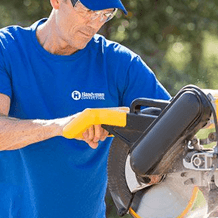
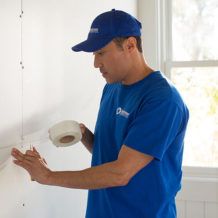
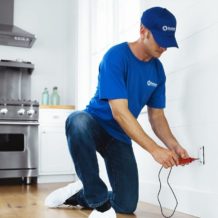
We are excited to announce that a long time Master Craftsman of our business is now the proud new owner; please join us in congratulating Earl Swader as the new owner of Handyman Connection of Blue Ash. Earl has previous business ownership already under his belt and is looking forward to continuing to serve the Blue Ash community as the proud owner.

Drywall / May 11, 2026

While older homes can seduce you with their original hardwood floors or impressive millwork, they can come with some airflow issues, too. You may notice that some rooms feel stuffy all the time, while others are too cold. Thankfully, you don’t need to invest in a huge renovation to make noticeable improvements.
Tweaking anything from the vents to the filters can result in a more comfortable space. Read on as we unpack the best ways to balance airflow in older homes without pursuing major construction projects.
Take stock of how your home feels. Grab a noteback and walk through each room, paying extra attention to temperature changes. If a study feels stuffy, for instance, write that down.
Check for air vents that don’t seem to be expelling enough cool air on a hot day. If your upstairs bedrooms feel hot, take note. And if your home office has drafty corners on colder days, you’ll want to target those spaces.
To add more precision to your observations, take a thermometer into each room to note the differences. And repeat the exercise throughout the day, as sometimes sun exposure can impact internal home temperatures. You’ll end up with a comprehensive understanding of areas you need to address.
It’s easy to miss out on better airflow when items block your supply registers. You might have boxes stacked in front of one, for instance, or a large piece of furniture in the way. In older homes, you may have floor grilles sitting beneath area rugs.
Or perhaps you closed the vents months or years ago, thinking it would conserve energy. Unfortunately, closing vents can create pressure imbalances that worsen airflow.
Make sure you open all vents to encourage more even airflow throughout your home. This is one of the simplest strategies to improve comfort without investing in a major renovation.
You may have a manual damper in your home that helps regulate airflow. You can close off areas, like basements, during the summer months, for instance. And you can open these areas in the winter, when you want more heat in your lower level.
Look for small levers with wing nuts around main supply ducts. They could be close to your furnace. And you’ll be able to look at the lever’s position to understand whether the damper is open or slightly closed.
Consider closing dampers if they’re sending air toward rooms that feel stuffy. Then wait and check the temperature in the targeted room later in the day.
You can make small changes again, but don’t rush. If you do, you’ll put extra pressure on your HVAC equipment.
When you’re in an older home, you’re likely dealing with older ducts. Over time, these channels can develop cracks at seams or become loose. Air can escape through even the smallest openings, and your system won’t run as efficiently.
Look at the visible ductwork in your basement, utility space, or attic. You may notice loose joints, gaps, or old repairs that are coming undone. Foil HVAC tape can help seal these leaks and stay securely in place.
By addressing cracked seams or gaps, you’ll improve airflow and conserve energy. As a result, you should see more consistency with room temperatures and lower utility bills that help your budget.
Are you swapping out your old air filters for new ones every month or two? If not, you may have old, clogged filters that aren’t doing your home any favors.
Dirty filters force your HVAC system to work harder, and they can restrict air flow. A fresh filter can improve air flow, especially during high-use seasons in peak summer or winter.
Ask an HVAC technician which type of filter is best for your home. While high-efficiency filters promise better air quality, sometimes they hinder air flow. Aim for a filter that offers the best blend of performance and filtration.
Sometimes, you can see significant improvements from DIY interventions. But in other situations, you may need more help. This is especially true if you have an aging HVAC system.
Even after making several changes, you may notice that rooms still feel inconsistent, or your energy bills aren’t getting any lower. A ductwork inspection may have revealed serious cracks. Or you might notice your HVAC system always seems to be running.
In these scenarios, reach out to a professional AC service for help. Licensed and trained technicians can evaluate your system to see if it needs repairs or replacement. Ultimately, investing in routine maintenance can help keep your system humming so your home feels more comfortable.
Older homes don’t have to feel drafty or stuffy. When you’re attentive to some simple DIY fixes, you can improve airflow and address problem areas. Change filters, seal cracks in your ductwork, and check that registers are open.
If simple changes don’t result in better air flow, reach out to HVAC professionals for a deeper assessment of your system. Making a few adjustments and consulting with technicians can help you create a more comfortable home and limit energy waste.

11115 Kenwood Rd.
Blue Ash, OH 45242

© Handyman Connection 2026 | Privacy Policy

 (513) 771-3950