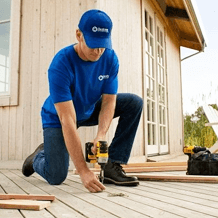
We are excited to announce that a long time Master Craftsman of our business is now the proud new owner; please join us in congratulating Earl Swader as the new owner of Handyman Connection of Blue Ash. Earl has previous business ownership already under his belt and is looking forward to continuing to serve the Blue Ash community as the proud owner.

Outdoors / March 18, 2026

Anyone who has lived in Dallas for a while knows the backyard can be a bit of a battle. One summer everything looks green and healthy. The next year the grass is struggling, the fence looks run down, and the patio feels like it’s sitting inside an oven.
North Texas weather has a way of doing that.
That doesn’t mean the backyard has to stay a problem area. A lot of homeowners assume fixing it requires a huge landscaping project but in reality, smaller improvements often work better. A few smart upgrades here and there can make the yard more comfortable and easier to maintain without draining the budget.
The climate here shapes almost everything about how a yard behaves. Summers are long and outdoor spaces deal with intense heat for months at a time.
Climate records from the National Weather Service show that Dallas usually experiences more than 100 days each year with temperatures reaching 90°F or higher. That puts pressure on grass, wood, and outdoor materials.
Sun exposure adds another layer. The city averages around 232 sunny days every year, which can be great for solar panels and backyard barbecues but tough on fences, deck boards, and anything left uncovered.
Rainfall doesn’t always arrive gently either. Dallas receives about 37 inches of rain per year, but a lot of it comes during short, heavy storms. When that water hits clay soil, drainage becomes an issue fast because clay expands when wet and shrinks when dry. That constant movement can push on walkways, loosen fence posts, and shift patio surfaces over time.
Backyard upgrades here work best when they focus on durability and simple maintenance. Flashy landscaping features sometimes look great for a year or two and then the Texas heat catches up with them.
Practical improvements tend to win in the long run.
Grass in Texas yards goes through heat, foot traffic, pets, and long dry stretches, and it all takes its toll. Bare spots start appearing, usually in the same areas every year. A common reaction is to think the whole lawn needs to be replaced, but that is rarely necessary.
Most yards benefit from repairing problem areas rather than starting over. The first step is often aeration. Clay soil becomes easily compacted, especially after heavy rain or repeated foot traffic and aerating opens small holes in the ground so water and nutrients can move deeper into the soil. Once the soil can breathe again, grass has a better chance to recover.
When sections of lawn are completely worn out, new sod is often the fastest fix. Instead of waiting for grass seed to grow, sod provides an instant surface of healthy turf and it settles in quickly when installed properly.
Many Dallas homeowners contact a local grass store to ask for sod options that actually survive North Texas heat because not every type of grass handles the climate the same way.
Bermuda grass shows up in a lot of lawns because it thrives in high temperatures and handles heavy foot traffic well. St. Augustine works better in yards that get partial shade while Zoysia sits somewhere in between.
Repairing a few sections of lawn instead of replacing everything also keeps the costs down and allows homeowners to maintain the landscape they already have. And sometimes that’s all a yard really needs.
Step onto a patio in July around mid afternoon and you will understand the value of shade right away. Concrete and stone surfaces soak up heat all day long and by late afternoon they can feel uncomfortable to walk on, let alone sit beside.
A little shade changes the entire experience. Pergolas are one option that many consider. They provide filtered sunlight instead of complete coverage. Add climbing plants or outdoor fabric and the shade becomes even stronger.
Shade sails are another approach. They stretch across a section of the yard, block direct sunlight while still allowing air to move through the space and they also work well over patios that don’t have permanent structures.
Large patio umbrellas might sound simple, but they do the job. Place one near a seating area and suddenly the backyard becomes usable again during hotter parts of the day.
Shade structures also help protect outdoor furniture and deck surfaces from constant sun exposure. That alone can extend their lifespan.
Outdoor lighting rarely gets much attention when people think about backyard improvements. Yet once it is installed, most homeowners wish they had done it sooner.
Good lighting stretches the use of the yard well into the evening and also improves safety around walkways and steps. Path lights along a garden path or near the patio help guide people across the yard after sunset. Motion lights near gates or fences add a sense of security while string lights overhead create a relaxed atmosphere that works well for outdoor dinners or quiet evenings outside.
Technology has helped make these upgrades easier. Solar lights are popular in Dallas for obvious reasons. With more than 200 sunny days a year, they usually have no trouble collecting enough energy during the day to run through the night.
None of this requires a complex electrical project, because many of these options are designed for quick installation. A handful of lights placed in the right spots can make the entire backyard feel different.
Fences and decks tend to age faster in Texas. Sunlight fades the wood, heat dries it out, rain eventually works its way into small cracks and after a few seasons, boards begin to loosen or warp.
The key is catching those problems early. Replacing a damaged fence board takes very little time, but ignoring it for a few years can lead to an entire section needing replacement. The same logic applies to deck boards and railings.
A fresh coat of stain or sealant protects wood surfaces from both sun and moisture. It also restores some of the original color that fades under constant sunlight. Industry estimates from the North American Deck and Railing Association suggest a well maintained wood deck can last 15 to 20 years or more.
Regular maintenance plays a huge role in reaching that lifespan. Most of the time, these repairs are small projects. But those small projects keep larger problems from appearing later.
A backyard does not have to be perfect to be enjoyable, it just needs to work with the climate instead of against it.
Each of these changes may seem small on its own, but put them together, though and the yard begins to feel more comfortable and easier to maintain. Better suited for long Texas summers.
That is usually what homeowners want anyway. A backyard that works, a place to sit in the evening, grill on the weekend, or let the kids run around without worrying about constant repairs.
Sometimes the smartest improvements are also the simplest ones.

11115 Kenwood Rd.
Blue Ash, OH 45242

© Handyman Connection 2026 | Privacy Policy

 (513) 771-3950