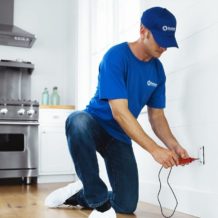
We are excited to announce that a long time Master Craftsman of our business is now the proud new owner; please join us in congratulating Earl Swader as the new owner of Handyman Connection of Blue Ash. Earl has previous business ownership already under his belt and is looking forward to continuing to serve the Blue Ash community as the proud owner.

Maintenance / July 22, 2025

Unexpected home maintenance emergencies can happen at any time, often creating stress and requiring rapid action. Whether it’s a burst pipe flooding your kitchen, an electrical failure, or a hazardous gas leak, how you respond can significantly affect the extent of the damage, your family’s safety, and repair costs.
This guide outlines essential steps to take when faced with urgent home maintenance issues, including advice on financing repairs and preventing future emergencies.
The first priority in any emergency is to assess the situation without putting yourself at risk. Identify what the problem is and where the damage is occurring. For example, if you notice water pooling, try to locate the source of the leak.
At the same time, check for hazards such as electrical sparks, exposed wires, flooding, gas odors, or unstable structures. If you detect dangerous conditions like a gas leak or potential fire risk, evacuate immediately and call emergency services. Never attempt to fix hazards involving electricity or gas yourself.
Understanding the scope and dangers helps you determine what immediate actions to take and whether professional help is necessary.
After assessing the problem, the next crucial step is to minimize further damage. As you act quickly, focus on the following:
These preventive actions can significantly reduce repair costs and limit inconvenience.
Urgent repairs usually require specialized skills and tools, so contact professional repair services promptly. Emergency plumbers, electricians, or HVAC technicians are often available 24/7 to address critical problems.
Before hiring anyone, verify their credentials to ensure you’re receiving trusted, quality service. At the same time, notify your home insurance provider about the issue to check your coverage and initiate any claims if applicable.
Professional intervention ensures that repairs are safe, comply with local codes, and resolve the problem effectively.
While waiting for repairs, document the damage thoroughly. Take clear photos and videos of the affected areas before any cleanup or repair work begins. Keep all receipts and invoices related to emergency services or materials you purchase.
Detailed records are essential for insurance claims and can also help you track recurring issues or maintenance needs in the future. Staying organized during this hectic time simplifies the process and increases your chances of receiving fair compensation from your insurer.
Urgent repairs often come with unexpected expenses that can strain your finances. Knowing your financing options helps you address repairs quickly without jeopardizing your financial health.
One common method is using a cash advance loan from a credit card or financial institution to cover costs immediately. Cash advances provide quick access to funds without the lengthy approval process typical of traditional loans. However, this convenience comes at a cost; there’s the cash advance fee to consider.
A cash advance fee is a charge incurred when you withdraw cash using your credit card rather than making a purchase. This can happen at an ATM, bank teller, or by transferring funds from your credit card to your bank account. The cash advance fee itself is often either a flat rate or a percentage of the amount withdrawn, sometimes the higher of the two.
Before opting for a cash advance, consider alternatives like personal loans, home equity lines of credit, or payment plans offered by contractors to find the most cost-effective and manageable solution for your situation.
Emergency repairs offer a chance to identify vulnerabilities in your home and avoid future crises. Schedule regular professional inspections of your plumbing, electrical systems, and HVAC units. Maintain gutters and drainage to prevent water damage during heavy rains.
Test smoke detectors and carbon monoxide alarms regularly to ensure they function properly. Additionally, keep a detailed maintenance log to track inspections, repairs, and upgrades. Developing a routine maintenance plan reduces the likelihood of emergencies, preserves your home’s value, and provides peace of mind.
Throughout the emergency and repair process, clear communication is key. Provide detailed descriptions and photos when speaking with contractors to ensure they fully understand the problem. Stay informed about your insurance policy’s coverage and claim procedures.
Keep family members updated on safety precautions and repair timelines, and notify neighbors if shared utilities or common areas might be affected. Open communication streamlines repairs, reduces misunderstandings, and helps everyone involved stay coordinated.
Once repairs are complete, inspect the work thoroughly to ensure it’s properly done and safe. Request warranties or guarantees for the repair work so you have recourse if issues arise later.
Consider upgrading aging or outdated systems during repairs to help prevent future emergencies. Taking care when closing out repairs protects your investment and keeps your home safe in the long term.
Unexpected home maintenance emergencies can be stressful, but acting promptly and confidently makes all the difference.
First, assess the situation and ensure safety, then take immediate steps to prevent further damage.
Contact professionals quickly, document everything for insurance purposes, and carefully explore financing options, keeping in mind the costs and benefits of a cash advance if used.
Finally, commit to regular maintenance and clear communication to reduce the risk of future emergencies.
Being prepared and informed transforms urgent situations into manageable challenges, ensuring your home remains a safe and comfortable place to live.

11115 Kenwood Rd.
Blue Ash, OH 45242

© Handyman Connection 2026 | Privacy Policy

 (513) 771-3950