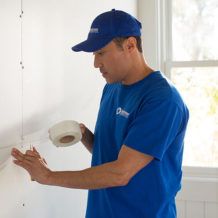
We are excited to announce that a long time Master Craftsman of our business is now the proud new owner; please join us in congratulating Earl Swader as the new owner of Handyman Connection of Blue Ash. Earl has previous business ownership already under his belt and is looking forward to continuing to serve the Blue Ash community as the proud owner.

Plumbing / July 24, 2026

Think your home is dry just because you do not see water on the floor? Think again.
Moisture rarely announces itself. Instead, it hides behind appliances, under trim, and inside gaps you barely notice. If you ignore these spots, then small drips turn into warped floors, mold growth, and insurance claims.
Here are seven hidden moisture traps and what you can do about them.
That small tube feeding your ice maker runs under constant pressure. Many homes still have thin plastic lines that become brittle with age.
If the line cracks, then it can leak for days before anyone notices. Swap plastic tubing for braided stainless steel and pull the fridge forward twice a year to check for dampness. A quick look now can prevent major floor repairs later.
Shower niches look clean and built-in. Unfortunately, they are prime leak zones.
If grout cracks or waterproofing fails, then water seeps behind tile and into framing. You might notice peeling paint on the opposite wall or a musty smell that lingers.
Reseal grout annually and inspect corners closely. If you see discoloration, then act early rather than waiting for soft drywall.
Your air conditioner pulls gallons of moisture from the air, and that water must drain properly.
According to experts, clogged condensate lines can lead to water damage and mold if they are not maintained. Likewise, spring guidance from Kiplinger notes that sediment and algae can block drains and cause backups.
If the line clogs, then water fills the drain pan. If the pan overflows, then drywall suffers. Pour vinegar into the line each season and confirm the pan is dry. Neither standing water nor rust should be present.
Window wells keep soil away from basement windows. However, if debris fills them, then they trap water against your foundation.
Guidance from Canada.ca explains that keeping wells clear ensures drainage and prevents pooling. Leaves and mulch easily block the gravel base.
If water rises above the frame, then it will find a path inside. Clean wells seasonally and verify that gravel drains freely. Add a cover only if drainage underneath works properly.
Crawlspaces rarely flood dramatically. Instead, they collect slow humidity that quietly damages wood.
If vapor barriers tear or vents stay blocked, then moisture builds in insulation and joists. Over time, that leads to rot and mold.
Check for musty odors, sagging insulation, and damp soil. Either repair the barrier or consider encapsulation if humidity stays high.
Warm air rises, and if it leaks into the attic, then condensation forms on cold surfaces.
Ice dams can worsen the problem. Homes and Gardens warns that ignoring early signs can lead to serious interior water damage.
Inspect vent pipes, recessed lights, and flashing. Seal gaps properly and improve insulation. Not only does this reduce moisture risk, but it also improves efficiency.
Rubber washing machine hoses are common failure points.
If one bursts while you are away, then it can release gallons of water in minutes. Replace rubber hoses with braided steel every five years and install a simple leak alarm behind the machine.
Early warning turns either a minor cleanup or a major renovation into a manageable fix.
Here is the turning point. If water sits for 24 to 48 hours, then mold can begin forming.
At that stage, cleanup shifts from drying to containment and air filtration. That is where companies like AAA Restoration step in. Many homeowners rely on this water damage restoration company in New Jersey because they not only remove visible damage but also track hidden moisture, document findings for insurance, and help prevent repeat issues. Other contractors recommend AAA Restoration because their response standards set a higher bar for remediation.
If you catch a leak early, then you may only need minor repairs. However, if mold spreads behind walls, neither fans nor store-bought sprays will solve it.
Start with a quick seasonal walkthrough. Look behind appliances, inside closets, and around foundation openings.
Focus on upgrades like:
The EPA WaterSense program notes that leak detection systems can alert homeowners to unintended moisture before it causes major damage. Early detection is not only practical but also cost-effective.
Moisture damage usually starts small, but it rarely stays that way. When you check hidden areas regularly and make smart upgrades, you lower the odds of costly repairs. And if a problem escalates, you can act quickly.
A dry home comes from upkeep and decisions.

11115 Kenwood Rd.
Blue Ash, OH 45242

© Handyman Connection 2026 | Privacy Policy

 (513) 771-3950