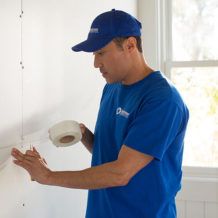
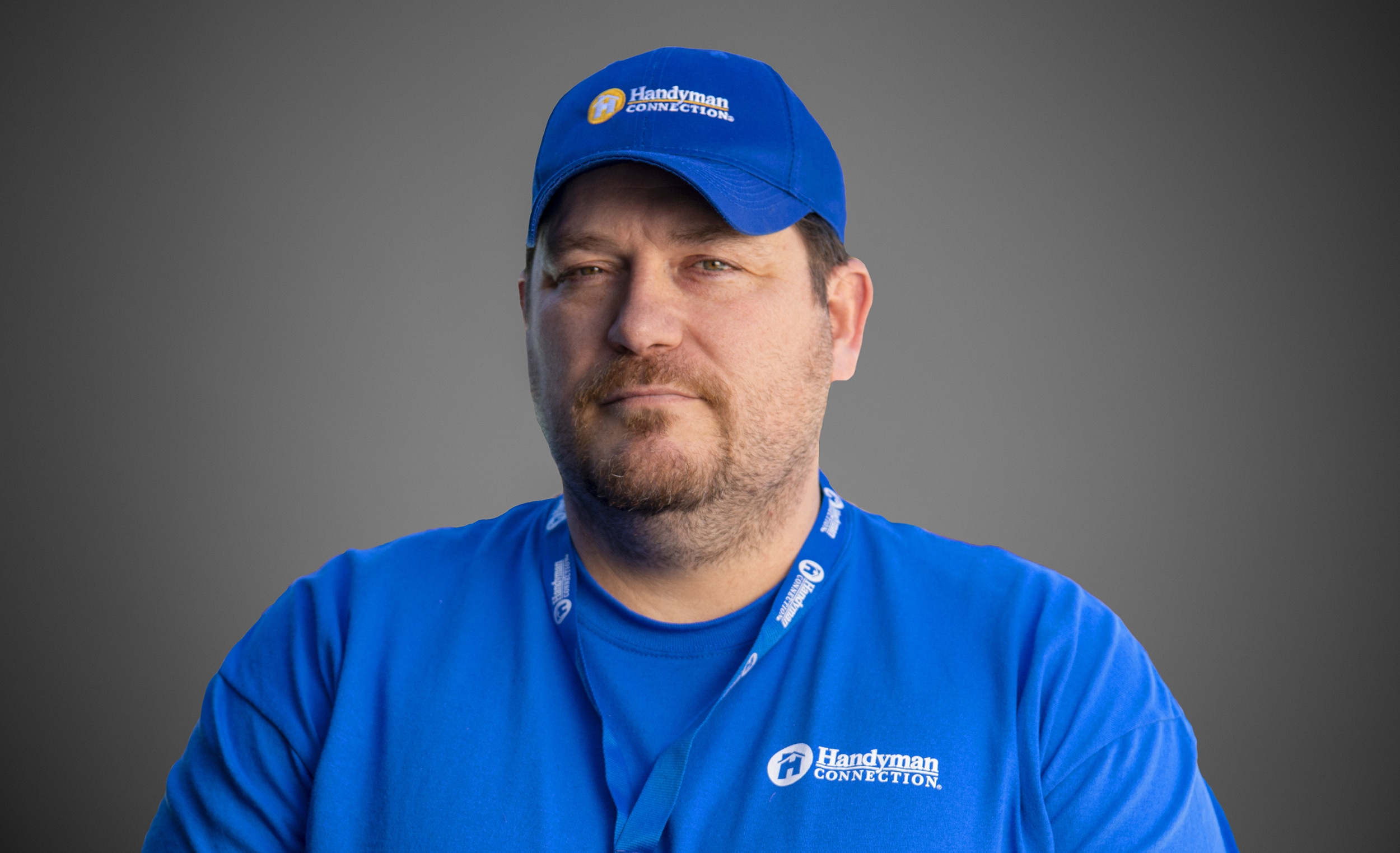
We are excited to announce that a long time Master Craftsman of our business is now the proud new owner; please join us in congratulating Earl Swader as the new owner of Handyman Connection of Blue Ash. Earl has previous business ownership already under his belt and is looking forward to continuing to serve the Blue Ash community as the proud owner.
Outdoors / April 6, 2026

A lawn can look uneven, patchy, or dull even when you are watering regularly and applying fertilizer. It becomes frustrating when the effort is there but the results do not match. In many cases, the problem is not the grass itself but what is happening around it.
Lawn health is influenced by drainage, sunlight, soil condition, and how the surrounding space is managed. When one of these elements is off, the grass struggles to grow the way it should.
These underlying issues are often easier to spot with a closer look at the yard itself, something commonly addressed by lawn care providers like JC Lawn Care & Services. Taking the time to understand these factors can help you fix the root cause instead of dealing with the same problems over and over again.
Grass depends on a balanced environment to grow properly. Water, sunlight, air, and nutrients all need to reach the roots in the right way. When something disrupts that balance, the effects show up in the lawn.
The challenge is that these issues build gradually. Poor drainage may not seem like a problem until patches begin to thin out. Too much shade may only become noticeable when certain areas stop growing evenly.
Focusing only on watering or fertilizing often leads to temporary fixes. Long-term improvement comes from addressing the conditions around the lawn that affect how it grows.
Air, water, and soil conditions all play a role in how grass develops. When one of these factors is off, the lawn starts to show signs of stress. These are the most common outdoor issues that tend to cause problems over time.
Water should move through your yard without pooling or sitting in one place for too long. When drainage is poor, water collects in certain areas and keeps the soil constantly wet.
This creates an environment where roots struggle to breathe. Over time, the grass weakens, turns yellow, or begins to die off in patches. Standing water can also lead to fungal growth, which spreads quickly if not addressed.
On the other end, poor drainage can also cause runoff, where water moves too quickly across the surface and does not soak into the soil. This leaves some areas dry while others remain saturated.
Grass needs consistent sunlight to grow thick and healthy. When trees become overgrown, they block light from reaching the lawn below.
Shaded areas tend to stay damp longer, which slows down growth and creates uneven patches. Grass in these areas often appears thinner and weaker compared to sections that receive full sunlight.
Over time, the lack of light reduces the lawn’s ability to recover from wear and stress. Trimming back tree branches helps restore balance and allows more sunlight to reach the ground.
Soil compaction is a common issue that often goes unnoticed. It happens when the soil becomes pressed down from repeated foot traffic, heavy equipment, or even regular use of certain areas.
When soil is compacted, it restricts airflow and prevents water from reaching the roots properly. Nutrients also struggle to move through the soil, which affects overall growth.
Grass growing in compacted areas often looks thin and struggles to develop strong roots. Over time, these areas become more noticeable as they fail to keep up with the rest of the lawn.
Grading determines how water flows across your yard. When the ground is not properly sloped, water may move toward the lawn instead of away from it.
This can create soggy areas that remain wet for long periods, especially after rain. In some cases, it can also lead to erosion, where soil is washed away and leaves the grass without proper support.
Improper grading affects more than just the lawn. It can influence how water interacts with nearby structures, making it important to correct before it leads to larger problems.
A layer of debris or thatch can build up on the surface of the lawn over time. This layer consists of dead grass, leaves, and organic material that sits between the soil and the grass blades.
While a small amount of thatch is normal, too much of it creates a barrier. It blocks water, air, and nutrients from reaching the roots, which slows down growth.
This buildup can also create an environment where pests and disease thrive. Removing excess debris and managing thatch helps keep the lawn healthy and responsive to care.
Lawn issues often become more difficult to manage when the wrong solutions are applied. Certain habits may seem helpful at first but can actually make conditions worse over time.
Some lawn problems are difficult to solve without a closer evaluation of the soil and surrounding conditions. Persistent patches, drainage concerns, or areas that do not respond to basic care often need a more detailed approach.
A professional can assess how water moves through the yard, check soil condition, and identify factors that are not immediately visible. This helps create a plan that targets the root of the problem instead of applying temporary fixes.
Bringing in support early often saves time and prevents further damage, especially when multiple factors are affecting the lawn at once.
A healthy lawn is built on more than regular watering and mowing. It depends on the conditions around it, from how water drains to how much sunlight reaches the soil.
When these factors are managed properly, the lawn becomes easier to maintain and more consistent in its growth. Ignoring them allows problems to build quietly until they become harder to fix.
Paying attention to what is happening beyond the grass itself creates a stronger foundation. Take a closer look at these areas, apply the right adjustments, and the difference in your lawn will become clear over time. Keep going through these points and address them early so your lawn stays healthy, balanced, and easier to maintain throughout the season.

11115 Kenwood Rd.
Blue Ash, OH 45242

© Handyman Connection 2026 | Privacy Policy

 (513) 771-3950