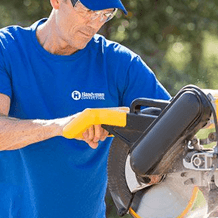
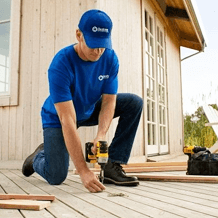
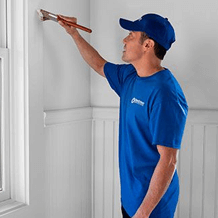
We are excited to announce that a long time Master Craftsman of our business is now the proud new owner; please join us in congratulating Earl Swader as the new owner of Handyman Connection of Blue Ash. Earl has previous business ownership already under his belt and is looking forward to continuing to serve the Blue Ash community as the proud owner.

Painting / March 12, 2026

Think a pressure washer can clean anything outside your home? Not quite. In the wrong spot, that powerful spray can strip, crack, loosen, or force water where it should never go.
I love a good before and after as much as anyone, but smart cleaning starts with knowing when to ease up. Let’s walk through four places where high pressure causes more harm than good, plus safer ways to get the job done.
Your roof looks tough from the ground, but asphalt shingles are layered and surprisingly delicate. The top layer is covered in protective granules that shield against sun and weather.
According to the National Roofing Contractors Association, aggressive cleaning methods can shorten the life of roofing materials. For you, that could mean turning a simple algae stain into a premature roof replacement.
High pressure can knock off granules, lift shingle edges, and drive water under the roof system. Once moisture gets underneath, leaks and mold are not far behind.
Soft washing is the go-to method for pros. It uses low pressure and specialized cleaning solutions to kill algae and lift stains without blasting the surface.
If you are unsure about walking on a roof or mixing solutions, this is one job where professional help really makes sense. The cost of doing it wrong is much higher than the cost of doing it carefully.
Old brick has character. It also has softer mortar joints, especially in homes built before modern cement mixes were common.
The Brick Industry Association warns that improper cleaning can permanently damage brick and mortar surfaces. For you, that could mean crumbling joints and expensive tuckpointing repairs.
When you hit aging brick with high PSI, you can erode mortar lines and scar the face of the brick. Water can also penetrate deeper into the wall assembly, leading to long term moisture issues.
Start with the gentlest method possible. A garden hose, mild detergent, and a stiff bristle brush can handle many surface stains.
If you still plan to use a pressure washer on nearby concrete or siding, make sure you understand PSI ratings, spray angles, and nozzle types. Paying attention to these helpful tips on choosing pressure washers can prevent you from overpowering delicate materials around your home.
Peeling paint might look like it just needs a strong blast to clear it off. In reality, high pressure can gouge wood, splinter trim, and send paint chips flying everywhere.
The Environmental Protection Agency outlines strict rules around disturbing lead based paint in homes built before 1978. If your house falls into that category, uncontrolled pressure washing can create hazardous dust and debris that puts your family at risk.
Even without lead concerns, blasting loose paint can force water behind siding and window trim. That trapped moisture is a fast track to rot.
Use hand scraping, sanding with proper containment, or chemical strippers designed for exterior use. These methods take more time, but they give you control.
If you suspect lead paint, consult a certified professional who follows safety guidelines. Your lungs and your walls will thank you.
This one surprises people. Yes, a pressure washer can clean around outdoor units, but it should never be aimed directly at sensitive components.
Outdoor outlets, light fixtures, and breaker panels are not designed to handle a concentrated jet of water. For you, that can mean short circuits, corrosion, or even shock hazards.
HVAC condenser units are another common casualty. The thin aluminum fins bend easily, and high pressure can flatten them in seconds. Once airflow is restricted, efficiency drops and energy bills climb.
When cleaning around electrical components and HVAC units, slow down and be intentional. Here are safer options to keep in mind:
A little patience goes a long way here. You are protecting systems that cost thousands to replace.
Pressure washers are incredibly effective, but they are not a cure-all for every cleaning problem. Understanding where a pressure washer should not be used matters just as much as mastering proper technique.
When you are unsure, begin with low pressure and a gentle approach. If the task seems too risky, connect with a professional through the Handyman Connection contact page for guidance or service. Careful cleaning protects your home and delivers results you can trust long term.

11115 Kenwood Rd.
Blue Ash, OH 45242

© Handyman Connection 2026 | Privacy Policy

 (513) 771-3950