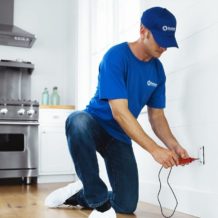
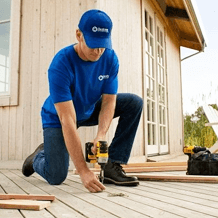
We are excited to announce that a long time Master Craftsman of our business is now the proud new owner; please join us in congratulating Earl Swader as the new owner of Handyman Connection of Blue Ash. Earl has previous business ownership already under his belt and is looking forward to continuing to serve the Blue Ash community as the proud owner.

Aging in Place / April 17, 2026

Living by the sea calls for nautical themes and breezy linens, but that humid and salty seaside air can turn your favourite island bedding set into a hotbed for dust mites, mold, mildew, and residue.
So, why is your bedding so susceptible to these issues?
The atmosphere is saturated with moisture and microscopic salt particles that cling to fabrics, creating ideal conditions for environmental damage. This means you have to take extra care with moisture control and fabric care.
Here are 14 actionable budget-friendly tips to prevent bedding damage from salty ocean air, including simple tricks like warm wash temperatures, pre-soaks, fitted sheets, scented wool dryer balls, and more.
Your natural body oils, perspiration, and salty residue from the beach all contribute to bedding mildew and mites.
Make sure to wash your bedding in warm water to effectively dissolve away the oily sebum that retains odors in humid, seaside environments. You can still use a mild laundry detergent to protect and deep clean your linens.
Since the air is so humid by the sea, your bed loses that “fresh bedding” feeling more quickly than if you lived inland. Sweat doesn’t evaporate as quickly, causing your sheets to absorb and retain moisture.
Change your bedding every 7 to 10 days to prevent moisture from settling into your bedding, mattress, and pillows.
Loose-fitting bed sheets create folds and pockets, allowing moisture to accumulate in these areas on humid days.
When deciding on your next bedding upgrade for your seaside getaway, look for fitted sheets that stay taut across your mattress. Fitted sheets allow for better airflow under your body, which helps them stay dry.
You could also pair your fitted sheets with a cooling blanket on warm nights.
Fabric softeners and humid seaside climates are not a good match.
These products actually coat bedding fibers in a thin layer of wax or oil. However, when exposed to salty ocean air, this coating acts like a moisture trap, inviting bacteria and musty odors.
Skip the fabric softener to ensure breezy, breathable sheets.
When you live by the sea, you wear a lot more sunscreen. But it also leaves quite a bit of buildup on your sheets. Combined with the natural salt and moisture in the air, you’ll start to notice your sheets feeling heavier with residue.
A good trick is to pre-soak your sheets in cold water for at least 20 minutes before throwing them in the washing machine. This will lift the residue out of your bedding, preventing oily substances from settling into the fabric during a warm wash cycle.
Baking soda is an age-old laundry staple for a reason.
It’s a natural PH neutralizer that fights particularly acidic odors like must and mildew. Adding half a cup of baking soda to your laundry load can help keep your bedding fresh for longer.
High heat dryer settings can damage and shrink natural bedding fibers like linen and cotton. You can still thoroughly dry your clothes on a low-heat setting; plus, it won’t make your sheets feel brittle or scratchy.
What about line drying?
Sunlight is a natural disinfectant. You can certainly line dry by the sea, but only on low-humidity days.
It’s time to switch out your usual dryer sheets for reusable wool dryer balls.
Dryer balls physically separate clothes as they tumble dry, allowing for more air circulation. You’ll notice your clothes drying faster in less time, which cuts down on energy use.
Add a few drops of lavender essential oil to your wool dryer balls to add natural antimicrobial and antifungal properties. Tea tree oil also has antimicrobial properties that hinder mildew growth.
Every seaside home needs a good dehumidifier.
Keep a portable dehumidifier in the bedroom. To protect your bedding, keep the humidity level between 45% and 50%. You want to maintain a comfortable range that isn’t too dry but can still prevent mold, mildew, and dust mites.
You don’t have to keep your windows closed to prevent humidity from damaging your fabrics. You live by the sea, after all!
It’s all about timing. Avoid opening your windows when there’s a heavy early morning fog or low clouds from a dense marine layer.
Once the fog clears, you’re free to open your windows to enjoy the sea breeze without excessive moisture wafting into your home.
Synthetic fabrics like polyester are more prone to feeling sticky or waxy from humid coastal weather. Instead, opt for bedding made from natural fibers, such as:
Natural materials are hygroscopic, which means they pull moisture away from the skin to promote airflow. That’s why natural fabrics are more breathable.
Bedding storage can be a major breeding ground for dust mites, mold, and mildew.
First, never store fabrics in plastic bins or bags. Plastic traps moisture. Even the tiniest amount of trapped moisture can cause an overgrowth of mildew in a dark closet.
Store your sheets in breathable storage bags made from natural cotton. Fabric bins also work. Linens need to breathe while in storage.
When you pull your bedding out of storage, it’ll smell a lot fresher.
Like bedding storage, you should also protect your linen closets from moisture damage. Place cedar blocks or dried lavender in your closets to absorb moisture, repel pests, and leave a clean, fresh scent.
A few lifestyle changes can go a long way.
Even taking a shower before bed will keep your sheets much cleaner, since you’ve washed off all that sand, sunscreen, and salt. Set your air conditioner to “dry mode” during heavy humidity spikes to keep your bedding dry.
Curling up in a bed of fresh linens makes living by the sea all the more relaxing.
Turn these tips into a coastal living checklist. Add quick and easy washing machine tips and dryer ball tricks to simple storage ideas for fresh, breathable linens.
Follow us to keep up with the latest in seaside life, from local events to lifestyle hacks!

11115 Kenwood Rd.
Blue Ash, OH 45242

© Handyman Connection 2026 | Privacy Policy

 (513) 771-3950