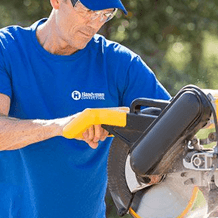
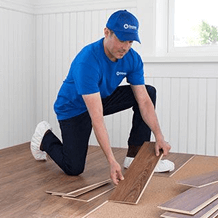
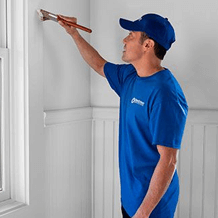
We are excited to announce that a long time Master Craftsman of our business is now the proud new owner; please join us in congratulating Earl Swader as the new owner of Handyman Connection of Blue Ash. Earl has previous business ownership already under his belt and is looking forward to continuing to serve the Blue Ash community as the proud owner.

Home Improvement / July 29, 2026

When you live in Florida, your yard does a lot of talking before anyone reaches the front door. It hints at how well a home is cared for and can shape how neighbors, guests, or future buyers feel right away. The good news is you don’t need a magazine-perfect landscape to make a strong impression. A few smart updates can help your outdoor space look healthier, cleaner, and easier to maintain without turning your weekends into a full-time gardening job.
Your front yard sets the mood fast. A neat lawn, trimmed plants, and clear walkways make a home feel welcoming before anyone sees the kitchen or living room. In a real estate-focused area, that visual first step matters more than people sometimes think.
One of the easiest ways to improve that first look is keeping the lawn evenly green instead of half-happy and half-crispy. If your grass seems hit or miss, it helps to look into professional irrigation support like Sunrise Irrigation when you’re figuring out how to keep watering more consistent. That’s not about being fancy. It’s about helping your yard stop looking like it can’t make up its mind.
You should also notice the little things. Overgrown shrubs near windows, scattered leaves, and stained borders can make a property feel older than it is. Clean, simple, and healthy usually beats complicated every time.
Florida yards can be tricky. One week brings blazing sun, then a storm rolls in and your plants act like they’ve joined a drama club. That’s why smarter watering matters more than just watering more.
A common mistake is running sprinklers too often for short bursts. That can leave roots shallow and lawns weaker during hotter stretches. In many cases, it’s better to water deeply but less often so moisture reaches farther into the soil.
Morning watering usually works best because less water evaporates in the heat. It also gives grass time to dry out, which can help prevent fungus issues. Watering late at night may sound convenient, but it can leave your lawn damp for too long.
Watch for clues. Squishy areas, yellow patches, and mushrooms can point to too much water. Dry, folded blades of grass may mean too little. Your yard tells you plenty if you stop and listen, even if it doesn’t actually speak fluent sprinkler.
You don’t need a total landscape makeover to make your home look more polished. A few low-effort updates can carry a lot of visual weight.
Fresh mulch is one of the fastest wins. It makes beds look tidy, helps soil hold moisture, and gives the whole yard a cleaner outline. Dark mulch can make plants pop, while lighter mulch gives a softer look. Either way, old faded mulch rarely wins beauty contests.
Edging also helps more than people expect. A crisp border between lawn and planting beds makes the space look maintained, even if the plants themselves are simple. It’s a small detail that gives your yard structure.
Native or Florida-friendly plants are another smart move. They’re often better suited to local heat, rain, and sandy soil, which means less fuss for you. Try using a few repeating plant types instead of a dozen random ones. That keeps the design calm and intentional instead of looking like the garden center sneezed.
Most yards have one or two problem areas that drag down the whole picture. Maybe it’s a muddy patch near the driveway, bare grass under a tree, or shrubs that never seem happy no matter what you do.
Before replacing plants or laying new sod, figure out why the area struggles. Bare spots can come from foot traffic, shade, poor drainage, pests, or uneven watering. If you only treat the surface problem, the same issue often comes back wearing a different hat.
Soggy corners may need drainage help or sprinkler adjustments. Thin grass in shady spots may improve more with ground cover or mulch than with another round of hopeful seeding. Shrubs that look weak could be planted too deep, watered poorly, or simply stuck in the wrong place.
This is where patience saves money. Spend a little time observing how sun, water, and traffic affect each area. Quick cosmetic fixes can look fine for a month, but solving the root issue gives you results that actually last.
Some outdoor features make a home feel cared for even if they aren’t flashy. These details add comfort and help the property seem more complete.
Lighting is a good example. A few warm lights along a path or near the entry can make the house feel safer and more welcoming at night. You don’t need a runway. Just enough to guide the eye and feet.
Walkways also matter. If the path to the front door is cracked, stained, or hidden by grass, the whole approach feels less polished. Cleaning pavers or refreshing edges can make more difference than buying new décor.
Pay attention to borders and transitions too. Defined spaces between lawn, beds, patios, and fences help everything feel intentional. Even a simple gravel strip or clean trim line can improve the look.
And don’t forget the basics: rinse dirty siding, clear out gutters, and keep fences straight and clean. Outdoor value often comes from signs of steady care, not giant upgrades. A well-kept home whispers confidence instead of shouting for attention.
The best-looking yards usually aren’t rebuilt all at once. They’re maintained with small checks throughout the year. That approach is especially useful in Florida, where growing conditions can shift quickly.
Walk your yard every couple of weeks and look for early signs of trouble. Check sprinkler coverage, notice where water pools, trim plants before they get wild, and remove weeds before they throw a party. These quick check-ins are easier than dealing with a full-blown mess later.
It also helps to plan around the seasons. Storm season may call for pruning and drainage checks. Drier stretches may mean adjusting watering times. Cooler months are a good chance to refresh beds, clean edges, and handle simple repairs.
If you treat yard care like a series of manageable touch-ups, it feels less overwhelming and your home stays ready to impress. You’re not chasing perfection. You’re building an outdoor space that looks healthy, practical, and welcoming all year long.

11115 Kenwood Rd.
Blue Ash, OH 45242

© Handyman Connection 2026 | Privacy Policy

 (513) 771-3950