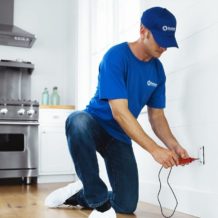
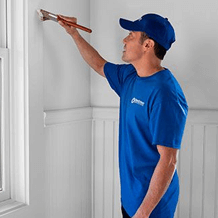
We are excited to announce that a long time Master Craftsman of our business is now the proud new owner; please join us in congratulating Earl Swader as the new owner of Handyman Connection of Blue Ash. Earl has previous business ownership already under his belt and is looking forward to continuing to serve the Blue Ash community as the proud owner.

Home Maintenance / July 21, 2026

Most homes do not fall apart all at once. They sort of whisper first with a sticking door, a soft spot near the shower, or a fence panel leaning just enough that you notice it, then stop noticing it. That is usually how home repairs get delayed. Not because people do not care, but life just keeps moving, and the house learns to wait.
Still, those small repairs are rarely just small. They are usually signs of a neglected home, because the ones that are not necessarily expensive are where attention has been placed at the right time.
Paying attention to quality often means looking beyond the initial appearance and considering long-term value. The same mindset applies whether you are selecting materials for a renovation, investing in premium furnishings, or choosing a luxury accessory. People who browse luxury Cartier timepieces are often evaluating craftsmanship, durability, and lasting value rather than making an impulse purchase. Here, home maintenance follows a similar principle! Small investments in quality and timely care can help prevent much larger costs in the future.
Why Small Repairs Tend to Sit Too Long
There is a strange psychology behind home maintenance. If something breaks completely, then only people act. But if something is half-broken, they simply adapt.
As a result, that loose handrail becomes ‘just be careful on that side’ and not let’s fix it. Similarly, a dripping faucet becomes background noise, and that cracked caulk behind the sink becomes invisible because nobody wants to deal with it on a Tuesday night after work.
Delayed repairs are often less about neglect and more about tolerance because homeowners typically build routines around problems. For instance, they lift the door before closing it, push the outlet to cover back into place, or simply place a towel under the leak and call it temporary.
And then months or years pass, and the repair never takes place.
What Common Household Problems Usually Mean
Now, not every household issue requires your undivided and urgent attention. For instance, a minor squeak on the floor or a stain in the kitchen slab is not a crisis because that would be exhausting.
However, small issues like a cracked attic panel or broken rainwater drainage may not create an immediate crisis, but they deserve a second look to ensure things remain under control.
| Small Signs Around the House | What It May Be Telling You | Why It Should Not Sit Too Long |
| A door that sticks or scrapes | Humidity, settling, loose hinges, or frame movement | It can damage trim, hardware, and the door edge over time. |
| Peeling paint near trim | Moisture, poor ventilation, or failing surface prep | Moisture can spread into wood, drywall, or nearby joints. |
| Loose railing or stair part | Worn fasteners, weakened wood, or movement | It becomes a safety problem before it looks dramatic. |
| Dripping faucet or small pipe leak | Worn washer, valve issue, or loose connection | Water damage is slow, quiet, and expensive when ignored. |
| Cracked caulk in wet areas | Natural movement, age, or poor sealing | Water can slip behind surfaces and create hidden damage. |
The frustrating part is that many of these repairs aren’t huge at first. A handyman can often correct them cleanly when they are spotted early. But once moisture, movement, or wear spreads, the nature of the job changes.
It suddenly becomes drywall repair plus painting, or trim replacement plus sealing, or flooring work plus plumbing. And this is where the cost starts feeling a bit too much.
The Difference Between Cosmetic and Functional Damage
When it comes to home damage, there are two sides to it: cosmetic issues and functional issues.
Cosmetic issues, as the term suggests, are those that affect the aesthetics of the house, whereas a functional problem is one that hampers how something performs. While these are simple definitions, the lines sometimes blur. For instance, a little paint bubbling near a window looks cosmetic until the sill feels soft, or a cracked tile that looks like an eyesore until water starts reaching the subfloor.
And this is where the homeowners often get caught. They judge repair by appearance, not behavior. So, if something works, it feels safe to postpone. But performance should be the actual decision-maker.
A Simple Repair Priority Check
Not every repair needs your prompt intervention, which is why home repair planning requires a list and an order. Otherwise, everything will start to feel equally annoying, and eventually nothing will get done.
So, start with repairs that involve water, safety, security, or structural support. Then move to wear-and-tear items that affect daily use and, at last, tackle cosmetic improvements, because those still matter, just not before a loose stair tread or active leak.
So, here is how the list should look:
Why ‘Temporary’ Repairs Become Part of the House
The interesting thing about temporary repairs is that they are oddly emotional. In most cases, they happen in high-pressure situations, like when guests are coming, a storm is rolling in, or a cabinet hinge gives out right before dinner.
To handle them, in comes the duct tape, spare screw, zip ties, or whatever is in the junk drawer. And honestly, sometimes it works for a while.
But the real issue is that temporary fixes rarely age well. What began as a clever save becomes a weak point. And in some worst-case scenarios, it can hide the original issue, so you stop seeing the broken part and only see the workaround. That is when a repair becomes part of the furniture, almost literally sometimes.
There is no shame in finding a temporary fix; everyone has done it. But the real issue is timing. ‘ Temporary’ should mean ‘until the weekend’ or ‘until the appointment’, not ‘until the next owner discovers it during inspection’. A proper repair restores the function, not just the illusion of it.
When a Handyman Makes More Sense Than DIY
Beyond the type of repair you need, home renovation has two options: hiring a specialist or doing it yourself.
DIY (do-it-yourself) has its place in repair work because many homeowners can tighten hardware, replace a filter, patch a small nail hole, or install a simple shelf. But some repairs require judgment, clean finishing, the right tools, or the ability to spot related issues before they spread. And this is where expertise matters.
A handyman makes sense when the job touches multiple surfaces or trades such as drywall plus paint, door adjustment plus trim repair, fence repair plus post stability, etc. These are not always massive projects, but they do require experience and expertise, and a skilled craftsperson spots the pattern more quickly because they have seen the same ‘small’ issue in fifty different houses.
Before attempting more complex repairs, homeowners should also understand basic home safety practices and know when professional assistance is the better option. The U.S. Consumer Product Safety Commission provides guidance on reducing common household hazards and improving home safety.
The Home Maintenance Habit That Actually Helps
Besides identifying the nature, urgency, and avenue for repair, you also need to build a habit of doing so to ensure your house remains in perfect condition. You can start this conditioning through a seasonal walk-through.
Start by walking outside of the house and observing the conditions of the doors, railings, deck boards, fence lines, etc. Then walk inside the house and look for loose hardware, slow drains, drafts, cracked seals, soft spots, etc.
Now, do not make it complicated. Just use your phone, take photos, make a short list, and then place each item into one of three buckets: urgent, soon, later. This list will bring the necessary clarity required to plan the repair work.
While it sounds boring, it works.
A Well-Maintained Home Feels Different
A well-maintained home has a quieter kind of comfort, one that also brings a sense of pride and peace. But home maintenance doesn’t need to be a grand plan. Rather, it has to be clear and structured enough to address each problem based on its severity and urgency, ensuring the house looks and works well without putting too much stress on you.
Because a house will always need attention, but it should not have to keep shouting before someone listens.

11115 Kenwood Rd.
Blue Ash, OH 45242

© Handyman Connection 2026 | Privacy Policy

 (513) 771-3950