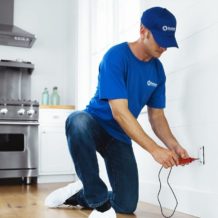
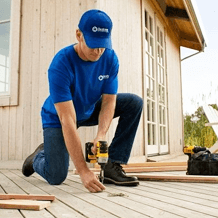
We are excited to announce that a long time Master Craftsman of our business is now the proud new owner; please join us in congratulating Earl Swader as the new owner of Handyman Connection of Blue Ash. Earl has previous business ownership already under his belt and is looking forward to continuing to serve the Blue Ash community as the proud owner.

Doors / June 30, 2026

Today’s residential priorities are being dictated not by trends or aesthetics alone but by the increasingly specific demands of local weather patterns. Architects, builders, and homeowners are forced to anticipate storms, heat waves, humidity, freezing conditions, and even wildfire risks before construction begins. Unlike generic advice about “building stronger” or “adding insulation,” the modern approach integrates daily living needs with climate resilience, creating spaces that adapt rather than just endure.
Florida provides a striking example. Hurricanes, torrential rainfall, and intense summer heat have made resilience non-negotiable. Residents no longer consider storm-proofing optional. Instead, design choices, from structural reinforcements and window orientation to water-conscious landscaping, are integrated at the earliest stages of planning. Homes are no longer passive shelters; they are active participants in mitigating climate effects. Beyond protection, these changes also influence how homes feel, function, and connect to the surrounding environment.
Front doors, sliding doors, and other entry points are often the most exposed parts of a home during extreme storms. A standard door may suffice under normal conditions, but even moderate wind or debris can compromise security and structural integrity during a severe weather event. Reinforced entry systems provide both a first layer of defense and peace of mind, ensuring that the interior remains protected.
Demand for hurricane door installation in Florida has increased significantly as homeowners recognize that entry systems can no longer be treated as secondary considerations. Modern hurricane doors combine tested materials, advanced locking mechanisms, and impact-resistant designs, providing protection without compromising accessibility or aesthetics. Beyond safeguarding property, these doors reduce potential water intrusion, minimize repair costs after storms, and integrate seamlessly into the overall home design, reflecting a climate-forward mindset that prioritizes resilience from the very first line of defense.
Extreme summer heat has started influencing how homes are oriented and where windows are positioned. Instead of focusing solely on natural light or views, architects now consider solar exposure, shading patterns, and ventilation pathways. The placement and size of windows can drastically affect indoor temperatures, energy efficiency, and comfort, especially in regions experiencing prolonged heat waves.
Strategically positioned windows reduce the need for excessive cooling, help regulate indoor humidity, and allow for natural airflow, which is critical during periods of sustained high temperatures. Homeowners and builders are increasingly pairing these design choices with overhangs, recessed framing, and reflective glass to manage heat gain effectively. In this way, window placement becomes both a functional tool and a core part of a home’s climate resilience strategy.
Beyond window placement, entire design philosophies are shifting to incorporate passive cooling as a primary solution rather than a supplemental one. Features like cross-ventilation corridors, shaded outdoor spaces, and thermal mass walls are used to regulate temperature naturally. Passive design reduces reliance on air conditioning systems, lowers energy consumption, and creates more comfortable living environments even during heatwaves.
These strategies are particularly valuable in regions where mechanical cooling is expensive and energy demand peaks in the summer months. By integrating passive techniques from the planning stage, homes remain functional, comfortable, and energy-conscious. Designers also consider seasonal variations, ensuring that the same features provide ventilation during summer and insulation during cooler months, achieving year-round efficiency without compromising the living experience.
Snow, ice, and repeated freeze-thaw cycles significantly impact structural design. Roofs, foundations, and driveways must be engineered to handle these stresses without sustaining damage. Ice accumulation and snow loads influence pitch angles, reinforcement strategies, and even material selection, while freeze-thaw cycles can exacerbate cracking, warping, and water infiltration.
Homes in unpredictable climates are now evaluated not only for insulation and heating efficiency but also for long-term durability against these seasonal extremes. Builders prioritize materials that expand and contract predictably, minimize moisture penetration, and maintain integrity under repetitive stress.
Water-conscious landscaping is becoming a central consideration in residential design, especially in regions prone to drought or unpredictable rainfall. Homeowners are selecting drought-tolerant plants, designing efficient irrigation systems, and using materials that allow water to permeate soil effectively. These choices not only reduce water usage but also create outdoor spaces that remain vibrant and functional throughout seasonal changes.
Beyond water efficiency, thoughtful landscaping helps prevent erosion and manages runoff around the property. By guiding water away from foundations and pathways, homeowners reduce the risk of structural damage and maintain soil integrity. Features like raised garden beds, rain gardens, and strategically placed vegetation serve dual purposes: protecting the home while enhancing outdoor enjoyment.
Regions prone to severe weather are increasing the importance of reliable energy systems in residential design. Backup power solutions, such as generators or battery storage systems, allow homes to maintain essential functions during power outages. These systems support lighting, refrigeration, communication devices, and medical equipment, providing safety and continuity in unpredictable conditions. For homeowners, integrating backup power is no longer an optional upgrade but a functional necessity for modern living.
Beyond maintaining basic comfort, backup power systems can also reduce stress and disruption during extreme weather. Homeowners who have invested in these solutions experience fewer interruptions to daily routines and can continue to operate appliances, security systems, and climate control during outages.
Modern residential design is increasingly factoring in recovery after climate events. Homes are now built with materials and configurations that allow for easier repairs and replacements if damage occurs. Modular construction techniques, accessible utility connections, and durable finishes reduce the downtime required to restore functionality.
Designing for recovery influences the choice of interior and exterior materials. Using surfaces that withstand moisture, wind, or heat reduces the likelihood of widespread replacement, while accessible layouts simplify repairs if they are necessary. Faster recovery design shifts the focus from temporary protection to long-term operational stability.
A durable building envelope is essential for homes in regions facing diverse climate challenges. Walls, roofs, insulation, and windows are selected for their ability to withstand prolonged exposure to heat, humidity, wind, and rain. A well-constructed envelope not only protects the interior from the elements but also improves energy efficiency and reduces maintenance requirements.
Durability also allows homeowners to plan for longevity and resilience rather than frequent repairs. High-performance materials, such as impact-resistant siding, reinforced roofing, and weather-sealed windows, are integrated into designs that account for the specific risks of each region.
In wildfire-prone areas, material selection is becoming a central consideration in residential design. Homeowners are choosing siding, roofing, and outdoor structures that resist ignition and slow the spread of flames. Incorporating fire-resistant materials reduces the potential for catastrophic damage while maintaining the home’s appearance and functionality.
Strategic placement of vegetation, use of non-flammable surfaces, and creating defensible zones around structures help protect homes from encroaching fires.
From hurricane doors to water-conscious landscaping, backup power solutions, and durable building envelopes, every decision reflects the need for resilience, comfort, and long-term usability. Homeowners are creating properties that can withstand heat, storms, moisture, and fire.

11115 Kenwood Rd.
Blue Ash, OH 45242

© Handyman Connection 2026 | Privacy Policy

 (513) 771-3950