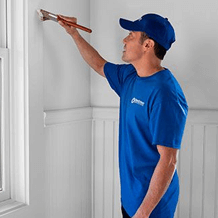
We are excited to announce that a long time Master Craftsman of our business is now the proud new owner; please join us in congratulating Earl Swader as the new owner of Handyman Connection of Blue Ash. Earl has previous business ownership already under his belt and is looking forward to continuing to serve the Blue Ash community as the proud owner.

Roofing / March 2, 2026

When seasons change, homeowners often look for the best ways to keep their homes safe and comfortable. During the heavy rainy seasons, your home’s exterior drainage systems, including the gutters and downspouts, get hit the most. If not consistently monitored, your gutters’ condition might deteriorate faster than you expected, leading to mid-season failures and water damage.
Since your gutters play a crucial role in protecting your home from water damage, it’s important to ensure they’re in great condition before the wet season. Below, we’ll look at some of the most crucial signs your gutters won’t survive the next rainy season and what you should do about it.
When you spot visible damage to your gutters in the form of holes, cracks, or rust spots, you’re staring at a system that won’t survive another season of heavy rainfall. These defects create water exit points, allowing water to leak directly into your exterior walls and foundation rather than reaching a safer destination away from your home.
Before the rainy season begins, these damage points in your gutters may appear as insignificant imperfections that need no attention. However, with a lot of water expected to flow through gutters and downspouts during the rainy season, these imperfections can be exacerbated, leading to further problems. You may end up dealing with bigger problems, such as larger holes, extensive cracks spanning several inches, and rusted areas that have deteriorated the surrounding metal.
If proper repairs aren’t done on time, when your gutters still look strong and promising, you may have to replace them in the middle of a rainy season. This can be a costly route, but it’s the most effective way to restore your roof’s optimal performance during heavy rain.
A clear and obvious sign that your gutters need attention before the rainy season is when they start sagging or detaching from your home’s roofline. This detachment often happens when gutters are overloaded by standing water or debris from the roof. It can also indicate that the fasteners holding them to the roofline are weakened and need to be replaced.
When temperatures drop during winter, the trapped water in your gutters and downspouts can expand, causing them to pull away from the roofline due to the additional weight. You can always save the situation by booking a timely inspection as soon as you notice visible gaps or lines between the gutters and the fascia.
Your gutters might look perfectly fine during dry weather, when they haven’t yet been tested, and fail to perform when you need them most. If your gutters overflow even during lighter rains, it’s a tell-tale sign that they won’t perform any better during the heavy rain season. This overflow is often caused by clogging or if you installed undersized gutters for your roofline.
When left unattended for a long time, an overflowing gutter system can cause problems for your home’s foundation, basement, and exterior walls. A simple cleaning can help remove debris and leaves from your gutters and downspouts, allowing water to flow more easily. Also, ensure you use the right gutter size for your home to optimize performance during heavy rainfall.
Plant and pest infestation in your gutters is both unsightly and a clear indication that your gutter system needs immediate attention, especially as you approach the rainy season. When gutters are filled with debris, they often become a conducive environment for plant growth and pet habitation. Pests and plants can significantly compromise the structural integrity of both your home and your gutters if left unchecked.
Since plant growth in gutters often signals long-term neglect, it’s important that you resume regular care and maintenance immediately you spot any growth. Insects and pests will also find it more comfortable living in these spaces where plant and moss growth is already creating a conducive environment.
By cleaning out debris and removing plants, you can make your gutters less attractive to plant growth and pest infestation. Depending on the level of damage sustained, you may have to replace your gutters or downspouts to optimize performance against rain and improve your home’s aesthetics.
Maintaining your gutters in good working condition can protect your home from damage and help you minimize repair costs. By monitoring these signs and preventing them, you can protect your roof from damage and enjoy a stress-free heavy rain season. Remember to work closely with professionals for a safe and reliable outcome.

11115 Kenwood Rd.
Blue Ash, OH 45242

© Handyman Connection 2026 | Privacy Policy

 (513) 771-3950