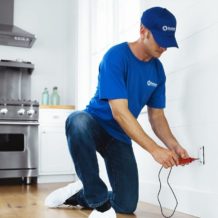
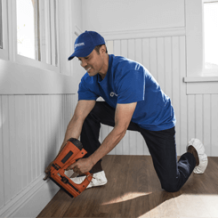
We are excited to announce that a long time Master Craftsman of our business is now the proud new owner; please join us in congratulating Earl Swader as the new owner of Handyman Connection of Blue Ash. Earl has previous business ownership already under his belt and is looking forward to continuing to serve the Blue Ash community as the proud owner.

Maintenance / July 26, 2025

Your HVAC system quietly works behind the scenes to keep your home comfortable throughout the year, regardless of the weather outside. But without consistent upkeep, even the most reliable systems can lose efficiency, develop problems, or rack up high energy costs. That’s why regular maintenance isn’t just a good idea, it’s essential for long-term performance and peace of mind.
However, not all HVAC maintenance tasks are created equal. While some are simple enough for homeowners to handle with confidence, others are far more complex, requiring professional training, special tools, or even legal certifications to perform safely and correctly. Knowing the difference is key to protecting both your equipment and your wallet.
In this guide, we’ll walk you through which maintenance tasks are safe and effective for DIY efforts and which ones should always be left to licensed HVAC technicians. By understanding both sides, you’ll be better equipped to save money, improve your indoor air quality, and avoid costly breakdowns in the future.
Let’s be honest, no one loves crawling into dusty corners or popping open an AC vent on their day off. But here’s the thing: DIY HVAC maintenance doesn’t have to be a chore. With just a little know-how (and maybe a fresh air filter), you can keep your system running smoothly, save on your energy bills, and avoid costly breakdowns.
This is the easiest HVAC task, yet the one most people skip. Think of air filters as the bouncers at a club; they keep the bad stuff like dust, pet dander, and allergens out of your system and only let clean air through.
Replacing your air filter improves indoor air quality, reduces strain on your HVAC system, and boosts overall energy efficiency. You should replace them every 30 to 90 days, depending on factors like whether you have pets, suffer from allergies, or how heavily your HVAC system is being used during the season. A handy tip: write the replacement date on the filter before you install it. Your future self will thank you.
If you’ve ever peeked into a vent and seen a dust bunny convention, it’s time to act. Dust buildup can restrict airflow, spike your energy bills, and make your system work harder than necessary. You can easily handle this by using a vacuum with a brush attachment to remove the dust, taking off the vent covers and washing them in warm, soapy water, and wiping down any nearby surfaces where dust tends to collect.
Keeping vents clean prevents air circulation issues, helps your home feel fresher, and reduces allergens in your system. Plus, it simply looks a lot nicer when you’re not staring at grey fluff around your home.
Your thermostat is the brain of your HVAC system, and if it’s not working properly, your heating or cooling system won’t either. A dead battery might seem trivial until your HVAC shuts off on the hottest day of the year. It’s smart to check your thermostat batteries every six months, especially if the screen goes blank or the temperature readings go off.
To replace them, just pop off the cover, insert fresh AA or AAA batteries, and snap the cover back on. For smart thermostats, though, it’s best to leave anything involving wiring to a professional.
If you have a central AC or heat pump, your outdoor condenser unit needs room to breathe. Unfortunately, it’s easy for leaves, mulch, and even soccer balls to block it up. Maintain the area by trimming bushes at least two feet from the unit, removing leaves, sticks, and grass clippings on a weekly basis, and rinsing off dirt gently with a garden hose on low pressure.
Just remember to turn off the power first, wear gloves, and never use high-pressure water or stick anything into the unit’s fins. Keeping your condenser clean improves airflow, protects the compressor, and helps prevent overheating.
This one isn’t a hands-on task; it’s about staying alert. Pay attention to strange noises like clanking, hissing, or banging, signs of short cycling where the unit turns on and off repeatedly, or weak airflow coming from your vents. These are often early warnings of more serious issues. You don’t need to fix them yourself, but catching them early can give you a head start and potentially save you hundreds in repair costs.
Doing your own HVAC maintenance isn’t about becoming a technician overnight; it’s about being a smart, proactive homeowner. The tasks above are safe, simple, and incredibly effective. You’ll enjoy cleaner air, lower energy bills, fewer surprise breakdowns, and a longer lifespan for your heating and cooling system.
So the next time you’re tempted to binge another show, maybe take just 15 minutes for some HVAC TLC instead. Your future self and your wallet will thank you.
Okay, we get it. You’re handy. You’ve watched some YouTube tutorials. Maybe even changed out your car battery solo. But HVAC systems? They’re a different beast. There are some jobs that belong strictly in the hands of licensed HVAC professionals, and trust us, trying to tackle these on your own can go sideways fast.
So before you grab that screwdriver or Google “how to recharge refrigerant,” let’s run through the HVAC repairs you should never DIY. This isn’t about fear. It’s about safety, legality, and protecting your home (and your warranty).
This one’s simple: don’t mess with HVAC wiring. Period. HVAC systems run on high-voltage electricity, and unless you have proper electrical training and know exactly how to shut off the right breakers, you’re putting both yourself and your equipment at serious risk.
A wrong move could lead to electrocution, trip your entire home’s power supply, cause internal damage to the HVAC components, or even void your home insurance or manufacturer warranty. If your unit isn’t turning on at all, don’t guess; call a licensed HVAC contractor to run diagnostics safely.
Refrigerant is the lifeblood of your AC system; it’s what cools the air in your home. While it might be tempting to think you can top it off like motor oil, that’s a dangerous and illegal assumption. Most refrigerants, like Freon, R-32, or R-410A, are EPA-regulated hazardous materials.
Releasing them into the air is illegal, and you need certification to even purchase or handle them. The system must also be leak-tested and sealed properly. If your AC isn’t cooling like it used to, don’t try to fix it yourself. A pro will test pressure levels, detect leaks, and refill the refrigerant correctly, staying both legal and safe.
That rattling noise might be a blower motor. That burnt smell? Possibly a capacitor. But replacing internal parts is a complex job, like surgery for your HVAC. Do it wrong, and you might take the entire system down with you. Parts like compressors, fan motors, capacitors, and control boards require precision and expertise.
Incorrect installation can lead to further damage, mismatched components, and unresolved root issues. Worse, you might void your warranty entirely. Leave the part replacements to professionals who understand the entire system.
Changing the batteries in your thermostat is simple enough, but installing a new one or rewiring your current system? That’s not a DIY job. Miswiring can short out your HVAC system. Some smart thermostats aren’t compatible with all units, and voltage mismatches could fry internal circuits.
Newer thermostats often need to be synced with heat pumps or multi-stage furnaces, requiring configuration that only a trained technician will know how to handle.
It may seem like a simple job, just stick a vacuum in and suck the dust out, right? Not exactly. Proper duct cleaning involves powerful, negative-pressure vacuums, brush systems to loosen trapped dust, and delicate handling to avoid damaging duct linings.
Attempting it yourself can actually stir up allergens into your home’s air, miss the buildup deeper inside the system, or even tear flexible ductwork, reducing airflow efficiency. Unless you have specialized training and equipment, duct cleaning is best left to the pros.
Let’s be honest, your HVAC system puts in serious work. It cools you down in the heat, keeps you warm in the chill, and filters out dust, allergens, and whatever else tries to sneak into your indoor air. But like your car needs regular oil changes, your HVAC system needs seasonal attention to keep running efficiently and avoid those costly mid-season breakdowns.
The easiest way to stay ahead? Build your maintenance habits around the seasons.
Spring and fall are your HVAC system’s sweet spots, times when it’s not under extreme pressure from weather, making it the perfect opportunity for a tune-up. These shoulder seasons are ideal for bringing in a pro for a detailed inspection, while also tackling a few simple DIY tasks on your end.
Professionals typically check refrigerant levels, clean electrical components, calibrate thermostats, and assess overall system efficiency. Meanwhile, you can handle things like changing air filters, vacuuming vents, checking thermostat batteries, and clearing out any leaves or debris around your outdoor unit.
Timing is everything here. Don’t wait until the first heatwave or cold snap to call a technician; by then, everyone else has the same idea, and you might end up waiting days for service. Booking ahead during spring and fall not only guarantees faster service but also helps catch issues before they turn into emergencies.
Of course, remembering all these small but crucial tasks can feel overwhelming when you’re juggling a busy life. That’s why setting reminders, whether it’s on your phone calendar or a sticky note on the fridge, can save you money and headaches in the long run.
Swap out air filters every one to three months, test thermostat batteries every six months, schedule pro tune-ups twice a year, and do a quick visual check of your system each month. These small habits make a big difference.
And if the idea of remembering all this sounds like one more thing on an already full plate, there’s a simple fix: sign up for an HVAC maintenance plan. Many companies offer these, and they include scheduled seasonal visits, priority service when things go wrong, and discounts on repairs. It’s peace of mind in a package and totally worth it if you prefer not to worry about remembering every detail.
You’ve changed the air filter, cleaned the vents, and even double-checked your thermostat batteries, but something still feels… off. Your HVAC system might be trying to tell you something. And when it does, you need to listen. These aren’t moments for guesswork or duct tape; they’re signs it’s time to call a licensed HVAC technician.
Here are the red flags that mean “put the wrench down and pick up the phone.”
If your monthly bill suddenly skyrockets, and your energy use hasn’t changed much, your HVAC system could be running inefficiently due to blocked airflow, failing components, or a refrigerant leak.
Some rooms feel like the Arctic, while others feel like a sauna.? That’s a clue. Uneven air circulation might point to clogged ductwork, a dying blower motor, or even a failing compressor.
Pooling water near your unit? Or frost where there shouldn’t be? That usually means a clogged drain line, frozen coils, or even refrigerant trouble, none of which should be handled without proper tools and training.
If your HVAC system is turning on and off more than usual (aka short cycling), it could be due to thermostat calibration issues, clogged filters, or electrical faults. All signs that something deeper needs attention.
Smell something… funky? A burning odor could mean overheating components, while musty smells might suggest mold in your ductwork. Either way, those are not DIY-friendly fixes.
Taking care of your HVAC system doesn’t require a degree in engineering or a shed full of tools. In fact, with just a bit of know-how and some consistency, you can stay on top of the essentials and keep things running smoothly. Simple habits like swapping out dirty air filters, keeping vents dust-free, and making sure your thermostat settings make sense go a long way in keeping your system efficient and your home comfortable.
But let’s be clear: not everything is a DIY job.
If you’re dealing with electrical issues, refrigerant leaks, foul odors, strange noises, or your system constantly turning on and off without doing much, those are signs to bring in a licensed HVAC professional. These aren’t just inconveniences; they’re red flags that something deeper needs expert attention.
By combining regular seasonal tune-ups with a few smart routines and knowing when to step back and call for help, you’ll do more than just prevent breakdowns; you’ll breathe cleaner air, lower your energy bills, and extend the life of your entire system.
So don’t wait for something to go wrong. A little maintenance now can save you from a lot of stress (and money) later. If you live in Bastrop and need help beyond basic upkeep, consider scheduling professional air conditioning service Bastrop, TX to keep your system running smoothly through the hottest months.
Start with that next filter change; you’re more than capable.

11115 Kenwood Rd.
Blue Ash, OH 45242

© Handyman Connection 2026 | Privacy Policy

 (513) 771-3950