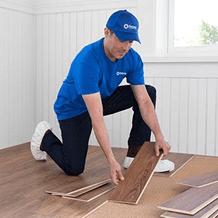
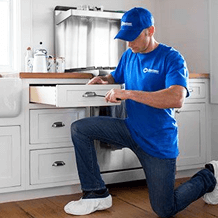
When home repairs start piling up, it’s easy to feel overwhelmed. From small fixes to larger improvement projects, having a trusted professional makes all the difference. At Handyman Connection, our skilled craftsmen are here to handle everything from drywall repairs and painting to shelving installation and general home maintenance—so you can focus on what matters most.
Working with licensed, bonded, and insured professionals ensures your home is in capable hands. Our team takes pride in delivering high-quality workmanship, clear communication, and reliable service on every project. Whether you need help tackling a to-do list or completing a more detailed renovation, we provide solutions that are efficient, safe, and built to last.
Ready to get started? Skip the stress of DIY and let the experts take care of it. Request an estimate today and discover how easy it can be to bring your home projects to life with professional support you can trust.

Maintenance / June 7, 2022
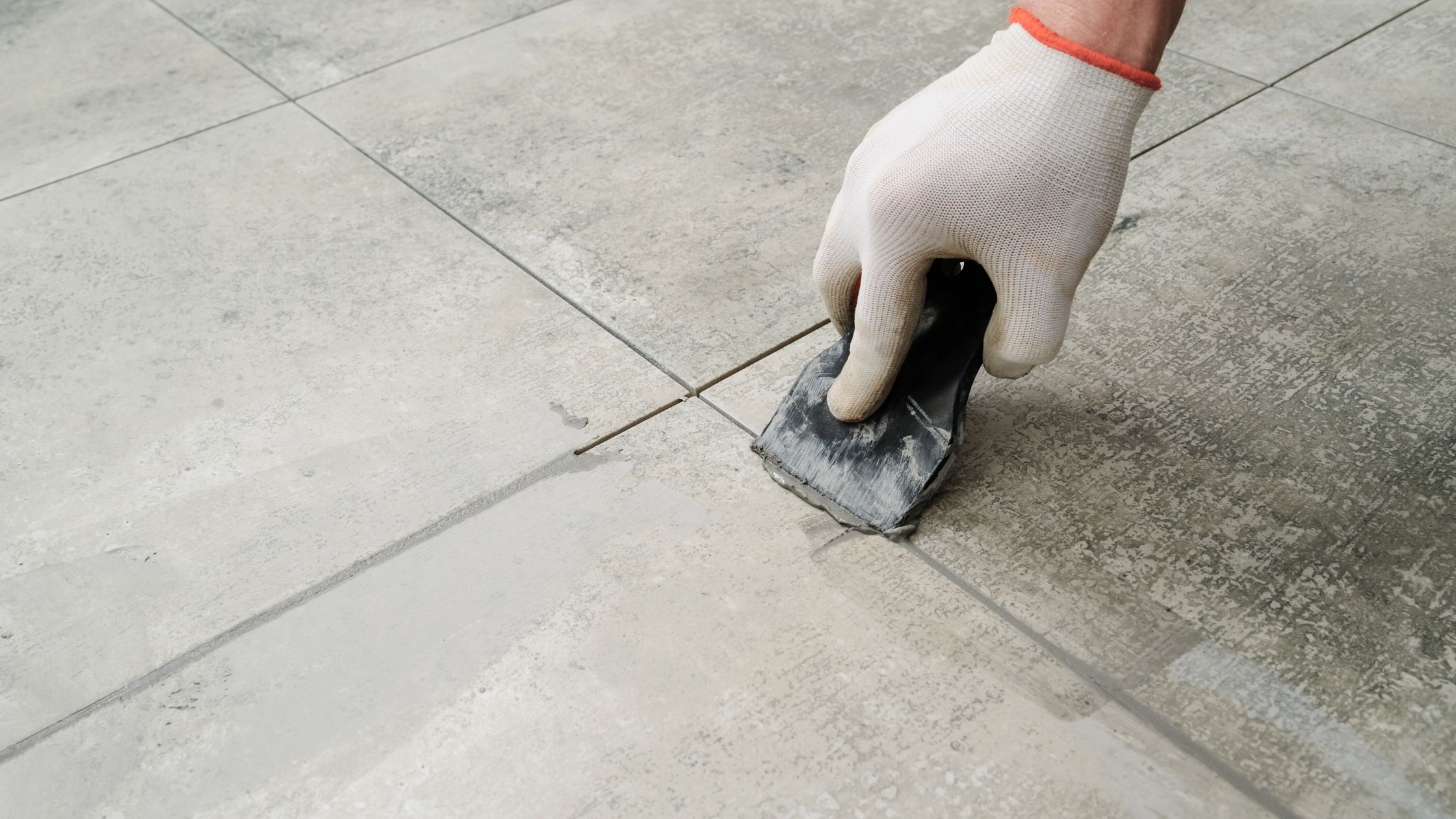
What is the best method for regrout tile? It depends on the type of grout you’re using. Grouts differ in terms of how they are mixed, what they are made of, their hardness, and so on. For example, if you used water-based or latex grout, you probably don’t need to do anything else for the cleanup process. After about twenty minutes have passed since your last soapy wash, it is recommended that you simply wipe up any leftover residue with a damp sponge followed by a dry rag. This may need to be done several times to remove all of the residue.
If you used solvent-based or epoxy grout, first rinse the area with a solution of detergent and water in a ratio of about 1-2 tablespoons of detergent per gallon of water. Allow the area to dry completely before moving on to the next step. After removing any excess resin or filler, apply more grout to seal the area and create a solid foundation for your tile work.
Apply the new grout over the substrate with a putty knife, razor knife, or similar tool as directed by the manufacturer of the grout. You can apply another layer of grout over the brush marks if you want to use a brush, toothbrush, or paintbrush. To seal all of the tiles, a non-abrasive adhesive or absorbent-based grout is recommended.
It is recommended that you take care of any scratches in the tilework once the tile work has been completed and all excess grout has been removed or vacuumed up as far as possible. If your tilework has scratches, apply a small amount of epoxy filler to those areas before setting your tile work in place.
Fill out a form to schedule a free flooring estimate. Call 815-885-5294 if you have any questions or would like to learn more about our services.

5758 Elaine Dr Suite 109
Rockford, IL 61108

© Handyman Connection 2026 | Privacy Policy

 815-963-2226