We offer a wide range of services for that fresh look, or just maintenance or updates to keep your home functioning and safe. Regardless of the size of the job, we have a craftsman that can tackle it. We offer a wide range of services for that fresh look, or just maintenance or updates to keep your home functioning and safe. Regardless of the size of the job, we have a craftsman that can tackle it.
Carpentry / March 14, 2025

Choosing the right material is key to the success of your carpentry project. Whether you’re building furniture, installing cabinets, or working on outdoor spaces, the material impacts strength, durability, and appearance. With so many options available, it’s important to know what works best for your needs. That’s where Handyman Connection in Red Deer can help.
From softwoods like pine to hardwoods like walnut, each material has unique strengths. Some are great for everyday projects, while others excel in weather resistance or add a luxury touch. We’ll guide you through the options, helping you choose the best material for your specific project. With the right knowledge, you’ll make informed decisions with confidence.
When choosing material for a carpentry task, one of the first decisions you’d make is between softwood and hardwood. Knowing how these two differ can save you a lot of time and effort.
Softwoods, such as pine, cedar, and fir, come from coniferous trees. These materials are lighter and, more often than not, easier to cut, sand, and shape. They’re ideal for tasks where you want something affordable, easy to handle, or quick to install. However, softwoods usually aren’t as durable as their hardwood counterparts.
Hardwoods, like oak, maple, and walnut, hail from deciduous trees. They’re known for their strength and durability, making them great for furniture, flooring, and other high-use structures. Hardwoods add timeless beauty and tend to last longer but might require a bit more effort to work with, both in terms of tools and budget.
At the end of the day, your decision depends on what fits your needs best. Balancing budget, durability, and appearance can help point you in the right direction.
Sometimes, understanding the specific materials available can make everything clearer. Each kind of material carries unique benefits to keep in mind.
Pine is a popular pick because it’s affordable and user-friendly. It’s lightweight, making it easier to carry and work with during builds. Whether you’re making furniture, shelves, or trim, pine is a dependable option. It takes well to stain or paint, allowing you to customize the look.
While it’s softer and less durable than hardwoods, it thrives in indoor projects where heavy wear and tear aren’t major concerns.
Oak has long been admired for its strength and timeless look. Red and white oak are the two main types, each offering unique grain patterns that elevate the finished look. Because of its reliability, oak often finds its way into cabinets, flooring, and high-use furniture.
Its wear-resistant nature ensures it holds up beautifully over time, making it a solid investment for those looking for enduring quality.
Maple is a sleek and stylish choice. Its hardness makes it resistant to scratches and dents, which is why it’s often used for cutting boards, furniture, or cabinets. Maple’s tight grain creates a smooth surface, although this feature can make it harder to stain evenly. Still, many people love its clean and polished appearance, particularly when highlighting its natural tone.
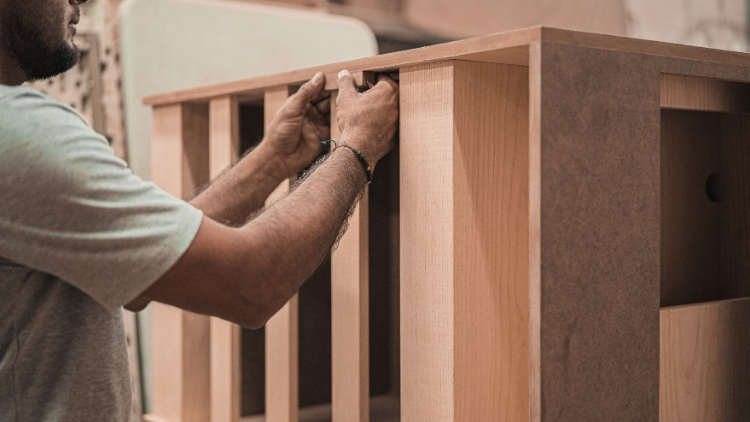
If you’re working on something that’ll stay outside, cedar might be your best bet. It’s naturally resistant to moisture, insects, and decay, which makes it great for outdoor projects like decks, fences, or patio furniture. Its warm tones and rich smell give it added appeal, making cedar both practical and attractive for open-air spaces.
For those looking for elegance and refinement, walnut is a premium choice. Its dark, rich colour and fine grain stand out, adding a luxurious touch to any project. From upscale cabinets to statement furniture, walnut is a go-to for beauty and durability. While it’s on the pricier side, the payoff is worth it when aiming for a high-end result.
Plywood is an engineered option made by gluing layers of veneer together. It’s an affordable alternative to solid wood, offering strength and stability. Plywood often features in structural applications like subfloors, cabinets, or behind-the-scenes elements of furniture. It’s a practical, budget-friendly solution that still delivers good performance.
Choosing the right material for your project can be easier when you focus on a few key factors:
By balancing cost, function, ease of use, and appearance, you’ll pick the right material for your needs. Need more guidance? We’re here to help.
Selecting the right material is critical, not just for making something beautiful but also for ensuring long-lasting results. A poor choice could lead to quicker wear-and-tear or an end product that doesn’t quite match your hopes.
Handyman Connection in Red Deer takes pride in helping our customers make informed decisions. Our team understands the specifics of your build and offers expert advice tailored to your situation.
Whether you’re going for a budget-friendly fix or investing in a high-end finish, we’re here to make the process seamless. From planning through execution, you can count on us to deliver reliable and professional craftsmanship.
To bring your creative vision to life, choosing the right materials isn’t just important—it’s the foundation of success. Whether you’re enamoured by walnut’s luxury or drawn to pine’s simplicity, each material has its time and place.
Working with a team like ours makes all the difference. For expert carpentry services in Red Deer or help weighing your options, reach out to us today. Request an estimate to learn how we can bring your project goals to life.

PO Box 1099
Red Deer, AB T4N 6S5

© Handyman Connection 2026 | Privacy Policy

 403-314-2120