Looking for trusted handyman services in McKinney? Handyman Connection of McKinney provides expert repairs, maintenance, and home improvement solutions for every project—big or small. Our skilled craftsmen handle everything from plumbing and electrical work to remodeling and carpentry with professionalism and care.
Don’t wait – schedule your service today and let us help keep your home safe, functional, and beautiful!
Home Improvement / November 20, 2017
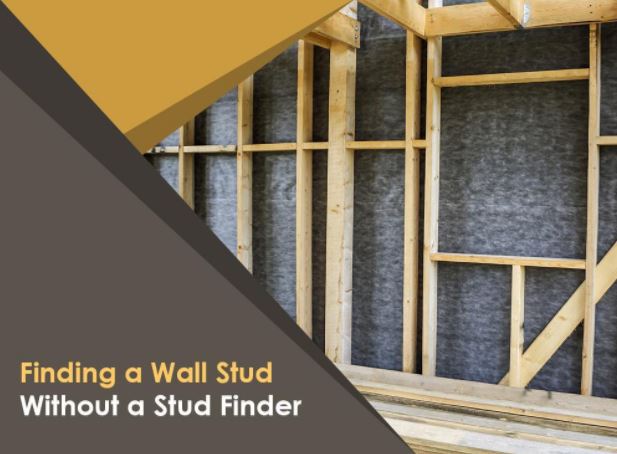
If you have drywall or plaster walls, be very careful about hanging things on the wall, as these types of walls are not all rated to support the extra weight. In such cases, it’s important that you attach the new hardware to the support beams, commonly known as studs. In today’s post, Handyman Connection of McKinney explains how to find a wall stud without a stud finder.
——————————————– CONTINUE READING ——————————————–
Search for Bump Lines
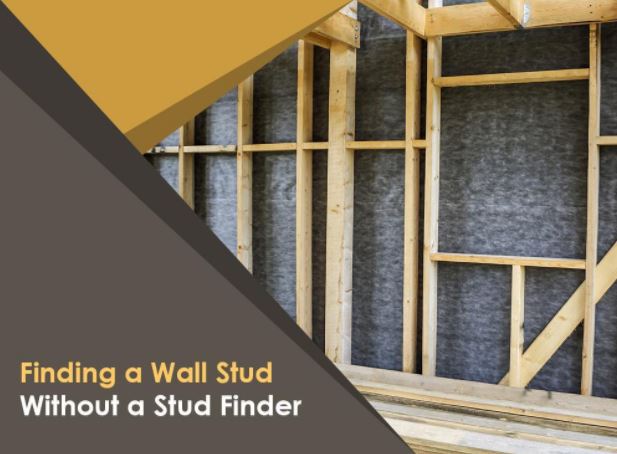
First, search for bump lines or dimples on the wall as these are your main indicators as to where the wall studs are. We recommend using a flashlight and shining the beam on the wall at an angle to look for irregularities. If you notice that tell-tale bump or ridge, then that’s where the wall stud is located.
Additionally, you can search the baseboard for outlets or existing nails. The baseboard itself is nailed to the wall studs, while the outlets are fastened on the side of the support beams. And a “permanent” wall fixture on the wall will most likely be attached near or on the wall stud.
Searching for Other Wall Studs
Once you’ve located your first wall stud, finding the next one is rather simple to do. Start by measuring 16 inches from the first stud with a tape measure. This will give you the approximate location of the next one. To check if you’ve found the next wall stud, try knocking on the wall. If the sound you hear is solid and not hollow, then you’ve found the next wall stud.
Trial and Error
Alternatively, you can drive a small nail into the wall to check if you’ve actually found the next stud. Normally, you’ll be able to hit the wooden support beams, in which case you’ve already found it. If you don’t, however, try inserting a wire hanger into the hole you made. Twist the wire as it descends into the hole; you’ll feel it hitting the wood portion of the wall stud eventually.
Handyman Connection of McKinney offers a wide range of high-quality home improvement services. Fill out our form or give us a call at (972) 441-2191 for more information on our products and services.
© Handyman Connection 2026 | Privacy Policy

 (972) 439-9694


