We offer a wide range of services for that fresh look, or just maintenance or updates to keep your home functioning and safe. Regardless of the size of the job, we have a craftsman that can tackle it. We offer a wide range of services for that fresh look, or just maintenance or updates to keep your home functioning and safe. Regardless of the size of the job, we have a craftsman that can tackle it.
Plumbing / June 2, 2026

Pipe corrosion, low water pressure, sewer line failures, and leaky fixtures are the most frequent pipe problems found in aging houses. If you live in an older property, you might notice discoloured water or slow drains. These warning signs often mean your water supply system needs professional attention. We know that dealing with these old pipe systems can feel overwhelming for any homeowner. The good news is that recognizing these issues early saves you money and stress.
You might wonder why these problems happen so often. Most historic houses were built for much lower water demand. Earlier pipe networks simply could not handle the heavy daily use of modern appliances like dishwashers and washing machines. Over the decades, water chemistry, soil movement, and temperature changes break down the original materials. When you know what to look for, you can make smart choices about maintenance and upgrades.
Our team is here to help you protect your investment. At Handyman Connection, we prevent you from blowing your budget on the first room. We focus on finding the exact cause of your water issues and providing reliable, professional repairs. Our craftsmen at Handyman Connection in Halton have the right tools and training to keep your home safe and dry. In this blog, we will explain the specific water issues that frequently impact historic houses and how our experts resolve them.
Galvanized steel, cast iron, lead, and polybutylene are the most common pipe materials used in older properties. Before the 1960s, builders favoured galvanized steel and cast iron because they were durable for that time. However, these materials wear out, rust, and degrade over the decades.
If your house was built before 1990, the materials behind your walls might no longer meet current building codes. You will often find copper pipes in mid-century houses, which resist rust better but can still fail from joint stress. Our skilled craftsmen know exactly how to inspect these aging materials. We can identify the specific metals or plastics hidden in your walls and recommend the best replacement strategies to keep your water flowing perfectly.
Over the decades, the materials that carry water through your house naturally break down. Rust and decay restrict water flow and create serious leak risks.
Our professionals frequently replace these outdated materials with modern, safe alternatives:
We carefully remove these failing materials and install high-quality, durable pipes. Our team ensures your water supply is clean, safe, and fully up to code.
Weak water flow is a major frustration when taking a shower or washing dishes. In historic properties, this issue usually stems from decades of use and mineral accumulation. We often trace weak pressure back to these main causes:
Our experts use advanced tools to pinpoint the exact cause of your weak flow. We clear blockages, replace damaged valves, and restore your water pressure to optimal levels.
Underground waste drains take a massive beating over the years. Soil shifts and tree growth can easily destroy these essential buried lines.
When drains fail, we typically find these culprits:
We perform thorough camera inspections to see exactly what is happening underground. Our team then uses professional techniques, like trenchless repair or complete line replacement, to fix the damage correctly.
Antique faucets and classic clawfoot tubs add incredible charm to a historic property. Sadly, the internal parts of these beautiful fixtures do not last forever. Washers dry out, seals crack, and metal threads wear down. This leads to constant dripping that wastes water and drives up your utility bills.
Old toilets and showerheads also use far more water than modern, efficient designs. You might decide to keep the vintage look, but the internal mechanics need an upgrade. Our professionals can replace worn-out valves and seals inside your antique fixtures. If a replacement is needed, we install modern, high-efficiency hardware that fits the classic style of your house perfectly.
Because water lines live behind walls and beneath floorboards, leaks can drip for months without being seen. This hidden moisture rots wood framing, ruins drywall, and encourages harmful mould growth. You might only notice a problem when your water bill spikes or a damp spot appears on your ceiling.
Protecting your house means catching these invisible drips early. Our skilled team knows exactly where to look for hidden moisture. We use specialized equipment to detect water behind walls without tearing your house apart. Once we find the leak, we repair the damaged lines and fix the surrounding drywall or flooring, making it look as good as new.
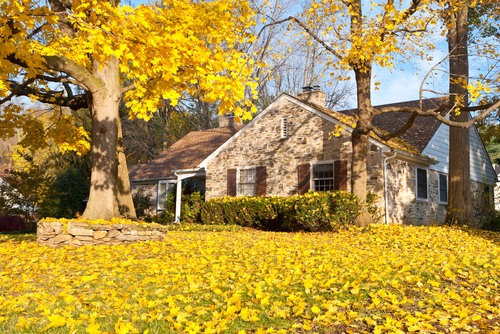
Halton homes face unique plumbing challenges due to the region’s cold climate and variable soil conditions. Older homes often use outdated plumbing materials that may not stand up to modern demands. Properly maintaining these systems is essential for preventing costly repairs and protecting your home.
One common issue in Halton homes is clogged or damaged drains. Tree roots and shifting soil can infiltrate aging drain pipes, leading to blockage or leaks. Regular inspections and drain cleaning services can help avoid serious problems.
Another concern is the impact of freezing temperatures on exposed pipes. Without proper insulation, pipes can freeze and burst, causing water damage and inconvenience. Ensuring all pipes are insulated and heating systems are efficient can provide peace of mind during the winter months.
Older homes often face unique plumbing challenges due to aging materials and outdated systems. Pipes made of older materials, like galvanized steel or cast iron, can corrode over time, leading to leaks and reduced water flow. Replacing these pipes with modern materials such as PVC or copper can prevent future issues.
Another common problem is low water pressure, which can result from mineral build-up in pipes or outdated fixtures. Hard water, which contains high levels of minerals, can leave deposits that clog pipes and restrict water flow. Installing water softeners or upgrading to newer fixtures can improve water pressure significantly.
Homes with older plumbing systems may also experience sewer line problems. Tree roots can grow into sewer lines, or aging lines can crack and collapse, causing backups or foul odours. Regular sewer inspections and timely repairs help keep these issues under control and protect your home from costly damage.
Brown or yellow water often means your old pipes are rusting. This is common in homes with older metal lines. Rust can mix into the water and change its colour. Our team can replace these pipes with newer materials for clean, clear water.
Clay drains were used many years ago, but they can cause problems today. They crack easily when the ground freezes and thaws. Tree roots can also grow into them and block the flow. We can inspect your drains and replace them with strong, modern pipes.
Pipes can freeze when they are in cold areas like garages or crawl spaces. The best way to stop this is by adding proper insulation. This keeps the pipes warm during cold weather. Our team can install high-quality insulation to protect your plumbing.
Yes, low water pressure can often be fixed. It may be caused by a buildup inside the pipes or worn parts. We can clean the lines or replace old sections to improve flow. We can also install new parts that help keep pressure steady.
A hidden leak can show up in a few ways. You might notice a higher water bill without using more water. You may also smell something musty or feel soft spots on floors or walls. Our team can find the leak and fix it before it gets worse.
Aging water systems can be challenging, but they don’t have to take away from the charm or comfort of owning a historic home. With the right care and attention, issues such as rust, reduced water pressure, and outdated fixtures can be addressed to prevent serious water damage. By replacing these aging materials early, you ensure your home remains safe and functional for many years to come. Proper upgrades not only protect your house but can also enhance its overall efficiency and value.
At Handyman Connection in Halton, we understand the importance of maintaining your home’s historic character while ensuring it meets modern standards. Our team of skilled and licensed craftsmen is prepared to handle even the toughest repair and renovation tasks. Whether it’s upgrading your plumbing system or addressing other aging infrastructure, we’re committed to delivering reliable, high-quality work that you can trust.
Your home deserves the very best care, and with our knowledge and experience, you can feel confident your repairs are in expert hands. Don’t wait until minor issues become major problems. Request an estimate today and take the first step toward preserving the beauty, functionality, and safety of your historic property for decades to come.

4145 North Service Rd., 2nd Floor Unit 258
Halton, ON L7L 4X6

© Handyman Connection 2026 | Privacy Policy

 905-297-5400