When home repairs start piling up, it’s easy to feel overwhelmed. From small fixes to larger improvement projects, having a trusted professional makes all the difference. At Handyman Connection, our skilled craftsmen are here to handle everything from drywall repairs and painting to shelving installation and general home maintenance—so you can focus on what matters most.
Working with licensed, bonded, and insured professionals ensures your home is in capable hands. Our team takes pride in delivering high-quality workmanship, clear communication, and reliable service on every project. Whether you need help tackling a to-do list or completing a more detailed renovation, we provide solutions that are efficient, safe, and built to last.
Ready to get started? Skip the stress of DIY and let the experts take care of it. Request an estimate today and discover how easy it can be to bring your home projects to life with professional support you can trust.

Painting / November 27, 2019

You might hear your painting services professional mention “cutting in” or read the term in a few handy blogs. What does it mean?
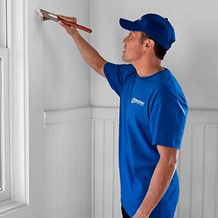
Cutting in means that you use a smaller, handheld paintbrush on areas that are too tight for rollers to adequately reach. Areas like:
Why do we do it?
Typically, you would cut in when using a standard roller brush isn’t possible. But your painting services handyman might opt to cut in when using a roller brush just wouldn’t look as nice. Example: There’s nothing technically wrong with using a roller brush to paint doorway trim. It just wouldn’t look as nice.
Cutting in also prevents dripping and splatter, and it keeps rollers from becoming damaged or from damaging your walls. A painting services professional will know from experience when to cut in and when to use a roller brush, so you don’t have to worry about if the right technique is being used.
How do we do it?
Knowing how to cut in can take some practice. As a professional, your handyman painter has cut in about a hundred times and will know exactly how to get the hard to reach crevices, as well as do so in a way that doesn’t waste paint or cause drips.
In general though, we might try the following things:
If you have more questions, feel free to reach out to Handyman Connection today.

5610 Crawfordsville Rd Suite 2301
Indianapolis, IN 46224
License #C8381000

© Handyman Connection 2026 | Privacy Policy

 (317) 487-1312